Passive Houses
We are increasingly aware of the need to adopt sustainable and environmentally friendly practices. Passive houses have emerged as an innovative proposal in construction, designed to optimize energy consumption and ensure a comfortable temperature throughout the year.
What is a passive house?
Passive houses are a type of bioclimatic architecture that aims to maximize energy savings through strategic design and the use of advanced technology. These buildings can reduce energy consumption by 60-75% compared to conventional homes thanks to the use of sunlight, thermal insulation, and efficient ventilation systems. In addition to generating a lower environmental impact, these homes offer a comfortable environment year-round, avoiding sudden temperature changes.
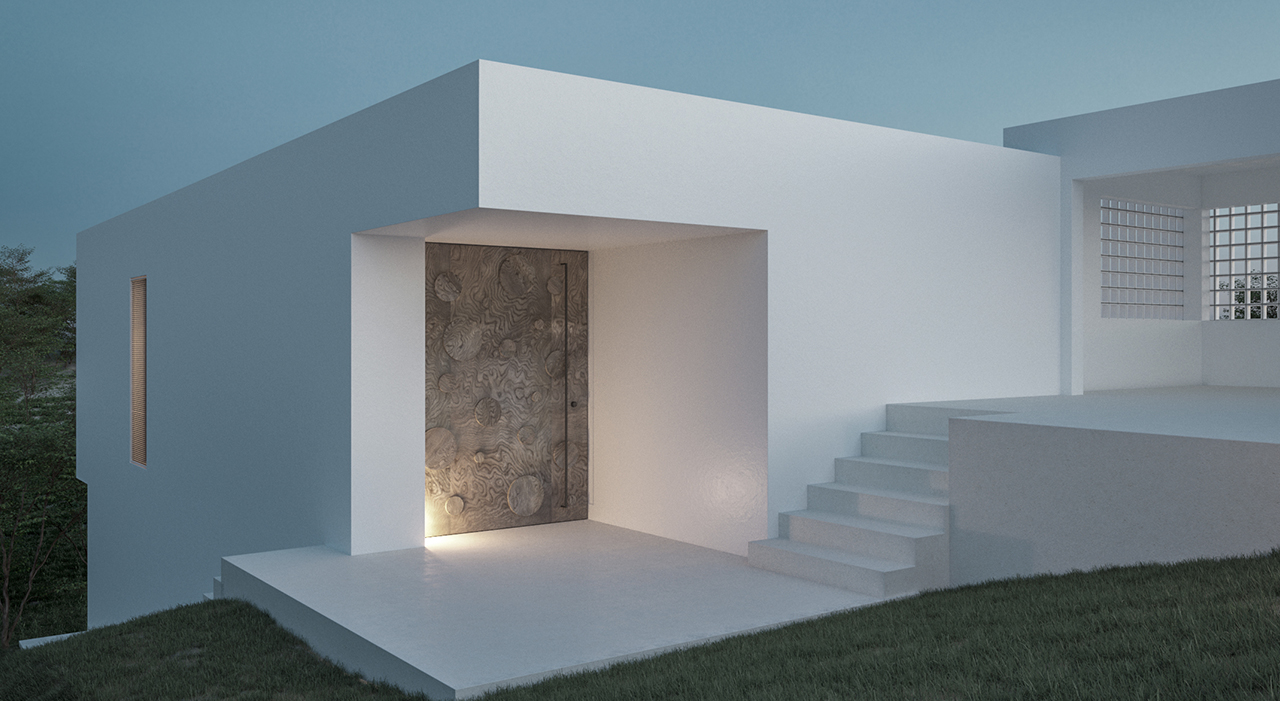
History of passive houses and the Passivhaus standard
In the late 1980s, the foundations for what we know today as passive houses began to be established with the development of the Passivhaus standard in Germany. This standard does not imply the use of a specific product, material, or architectural style, but rather the optimization of existing resources through passive techniques. Although the concept of Passive House can sometimes be confused with Nearly Zero Energy Buildings (NZEB), there are key differences. Both seek to minimize a building’s energy consumption, but Passive House certification criteria are more demanding. Passive House certification has become a global benchmark, being one of the most highly valued sustainable standards. Its principles guarantee superior energy efficiency, exceeding the requirements of local regulations for nearly zero energy consumption.
Fundamental Principles of Passive Houses
The Passive House Building Platform (PEP) establishes the basic principles that these buildings must meet to obtain certification:
1.Bioclimatic Design
The design of a Passive House must consider various environmental and climatic factors. For both new construction and buildings undergoing renovation, a thorough study of the site is carried out, evaluating aspects such as orientation, solar shading, climate, and the dimensions of the structure. The placement of windows and the integration of shading elements are essential to maximize the use of solar energy.
2.Thermal Insulation
Passive houses typically incorporate thicker thermal insulation than required by conventional regulations. This allows for better protection of the building’s interior from both cold and heat, reducing energy demand. Good insulation prevents the development of pathologies resulting from extreme temperature changes and improves indoor comfort.
3.Absence of Thermal Bridges
Thermal bridges are points in the building where heat can be lost, affecting energy efficiency. To eliminate them, structures are designed to ensure homogeneous insulation throughout the building. Corners, joints, and junctions between different elements must be perfectly integrated to prevent heat loss and ensure high efficiency.
4.Airtightness
A passive house must have controlled enclosures that fully protect against unwanted air leaks between the interior and exterior. This not only helps maintain the temperature, but also reduces the spread of noise and improves air quality inside the home.
5.High-Performance Joinery
Doors and windows play a crucial role in the energy efficiency of a Passive House. To achieve this, triple-pane glass with low-emissivity gases is used in the chambers, along with highly insulating frames and profiles. Furthermore, the strategic placement of windows allows for solar heat gain in winter and protection from radiation in summer.
6.Mechanical Ventilation with Heat Recovery
Passive houses require efficient ventilation systems that allow for constant air renewal without losing heat. Heat recovery systems filter impurities and eliminate pollutants, maintaining a healthy indoor environment. This technology contributes to improving air quality without affecting thermal comfort.
7.Solar Protection
Overheating can affect the efficiency of a Passive House. To prevent this, the design incorporates solar protection elements, such as eaves, blinds, and strategically placed vegetation. The layout of spaces and the orientation of the building are key to reducing exposure to excessive heat.
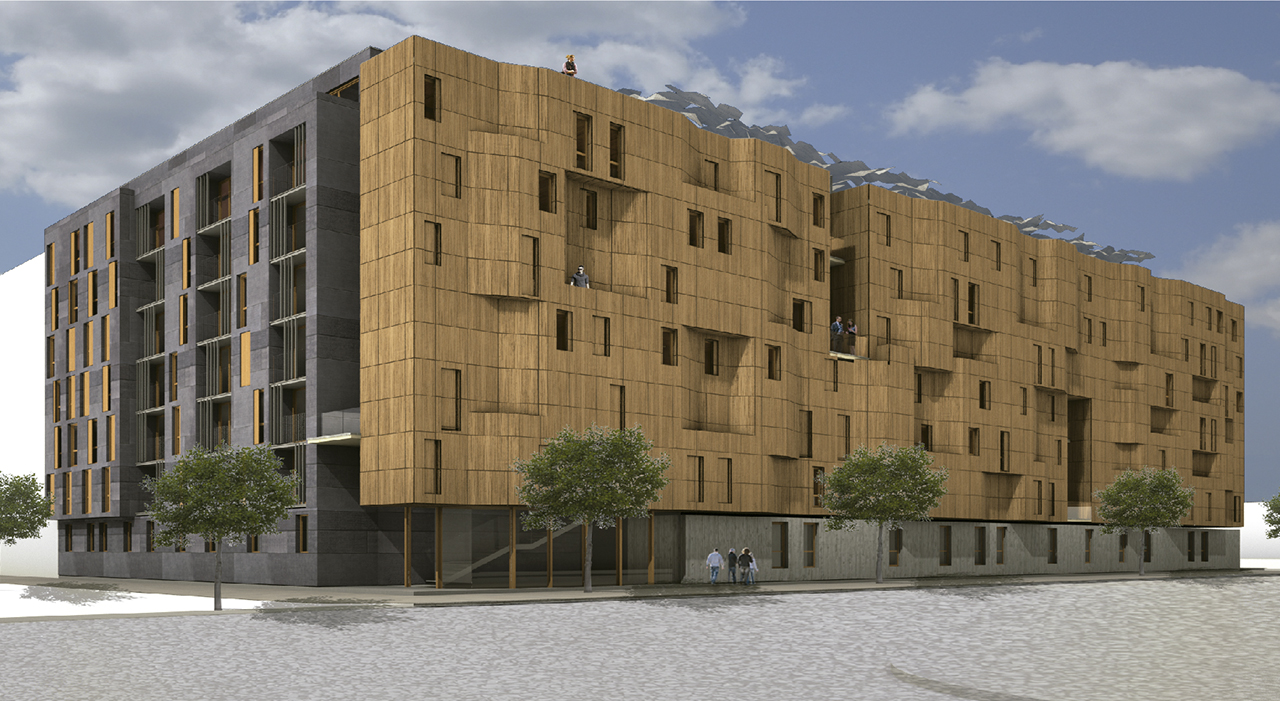
Lignus Collective Housing Project
Factors to Consider in the Construction of a Passive House
To ensure the success of a passive house, there are several factors to consider:
- Geographic location: Study the land where the building will be located to determine its orientation.
- Climatic conditions: Understand the climate where the house will be located, analyzing the frequency and volume of rainfall, humidity, temperatures, hours of sunlight, etc.
- Function of the building: Whether this will be a residence, workspace, second home, etc.
- Number of inhabitants: The number of rooms, what type of spaces will be needed (office, recreation room, etc.), and when they will be used (morning, afternoon, or evening).
- Relationship with the environment: The shape of the building must adapt to its surroundings to improve its efficiency.
Benefits of Living in a Passive House
Passive houses not only improve energy efficiency, but also have additional benefits:
- Financial savings: Although the initial investment is higher, energy costs are significantly lower in the long term.
- Greater thermal comfort: Indoor temperature stability prevents sudden changes and improves quality of life.
- Reduction of environmental impact: They reduce the carbon footprint and promote more sustainable development.
- Air quality: Efficient ventilation eliminates pollutants and improves the health of residents.
Challenges and final considerations
Despite their advantages, building passive houses requires detailed planning. High-quality materials and advanced technology can increase the initial investment, but energy savings offset these costs over time. Calculating the return on investment depends on the owners’ lifestyle and the home’s energy needs.
Passive houses represent a fundamental advance in the sustainable construction sector. Thanks to their innovative design and energy efficiency, they offer a responsible and ecological alternative for the future. Considering them as a housing option is a commitment to a healthier and more environmentally friendly lifestyle.