6 Interior Design Styles You May Not Know
Beyond traditional styles, the world of interior design surprises us with unique approaches that can transform any space into something special and full of personality. In this exploration, we introduce you to some lesser-known styles that can inspire you to renovate your home with a fresh and authentic vision.
JAPANDI STYLE: The Balance Between Minimalism and Warmth
The Japandi style is the fusion of Japanese and Nordic design. This balanced blend is characterized by functional and warm minimalism, with simple, pure lines that create environments full of relaxation and calm. It is an aesthetic that not only seeks visual beauty, but also a connection with nature and emotional well-being. In a world increasingly saturated with objects and stimuli, Japandi encourages us to reduce the unnecessary and retain only those that have a clear purpose.
This style is ideal for those who value harmony and simplicity in their home. Every element in the space has a purpose, avoiding the unnecessary accumulation of objects and prioritizing functionality.
Its main characteristics include:
- Neutral and natural colors: Shades such as beige, white, light brown, and gray predominate in the decor, evoking the colors of the earth and the natural environment. The key is to create a welcoming and serene atmosphere, without visual obscurity.
- Functional minimalism: Each element has a purpose, creating spacious spaces where order and harmony reign. The furniture features simple, clean lines, often low-slung.
- Natural elements: Plants are an essential component, bringing freshness and vitality to the spaces. Materials such as rattan, wicker, linen, clay, bamboo, and light wood are also used, all with a raw appearance that highlights their organic origin.
- Craftsmanship and authenticity: The beauty of unique, handmade pieces is valued, as they feature small natural imperfections and add personality to the space.
ART DECÓ STYLE: Sophistication and Geometry
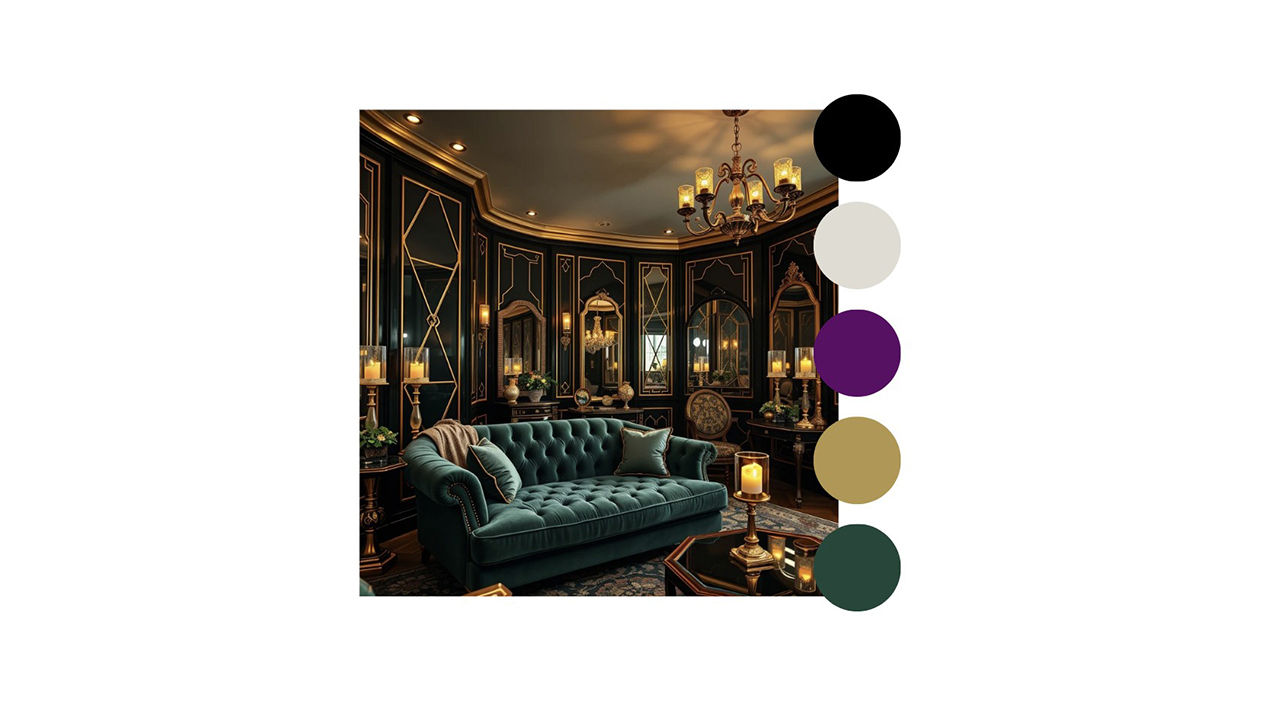
Art Deco emerged in the 1920s as a manifestation of the glamour and luxury of an era marked by economic prosperity, technological advancements, and a growing fascination with modernity. It emerged as a response to the Art Nouveau movement, which emphasized organic and natural forms, while Art Deco embraced geometry, symmetry, and opulence. This style influenced not only interior decoration but also architecture, fashion, film, and product design.
Main Characteristics:
- Geometric Patterns and Shapes: Art Deco is distinguished by its use of straight lines and repetitive patterns such as zigzags, sunbursts, circles, squares, and more. These designs are reflected in wallpapers, tiles, rugs, and even the structure of furniture.
- Sophisticated colors: The color palette plays a key role. Monochromatic colors such as black and white provide an elegant air, while accents of red, emerald green, and purple add dynamism. Metallic finishes such as gold and silver reinforce the sense of luxury.
- Artificial lighting plays a key role, as lamps are not only intended to be utilitarian, but also to be the focal point of the decor. Therefore, large chandeliers and chandeliers with geometric shapes and glass details and chrome finishes are used. Likewise, mirrors are used in furniture, giving a sense of spaciousness and depth, making rooms appear larger and brighter.
- Noble materials: Materials such as ebony, marble, velvet, and glass are used. The combination of shiny surfaces and opulent textures creates a timeless and sophisticated atmosphere.
- Exotic influences, in details such as prints and paintings that incorporate palm leaves or exotic animals, referencing cultures such as Egyptian or Asian.
FARMHOUSE STYLE: The Warmth of the Countryside in the Home
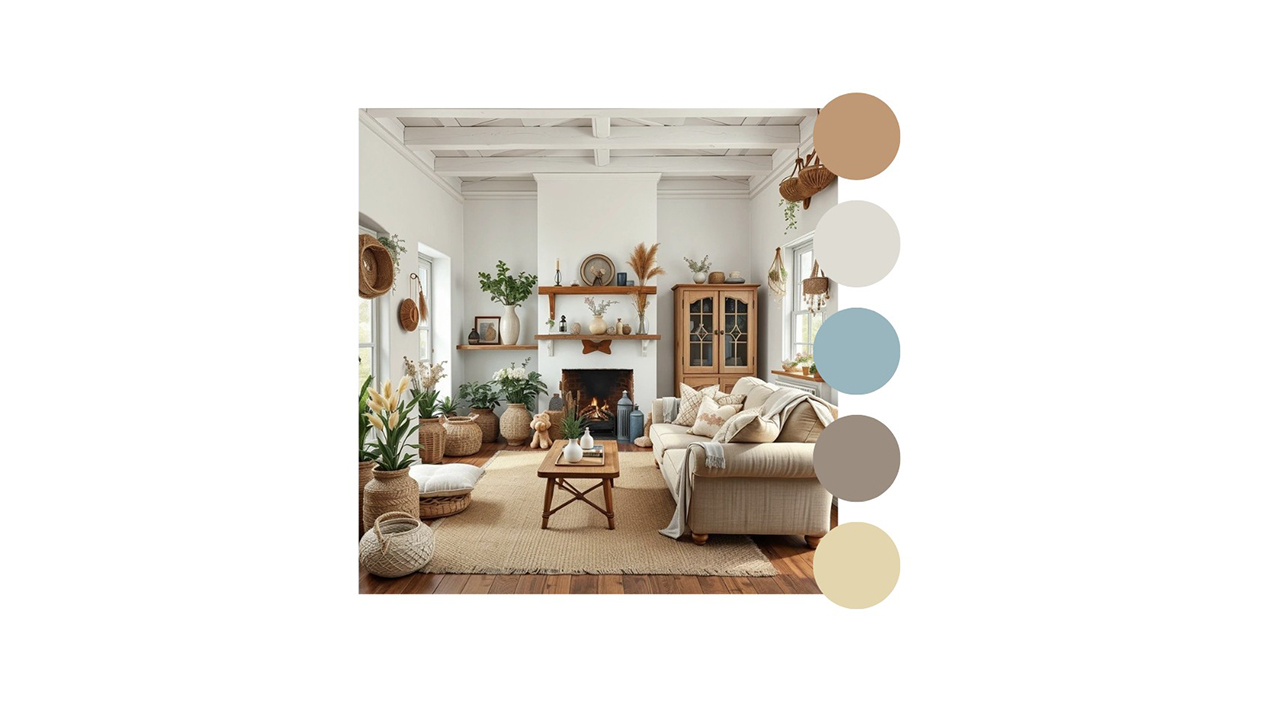
The Farmhouse style emerges from the essence of rural life, inspired by traditional American and English farmhouses. Its goal is to create a cozy, warm, and charming home where functionality and rustic aesthetics merge with modern touches. This style is an evolution of classic rustic, with a refined vision that maintains its identity of comfort and tranquility.
Its main features are:
- Absolute prominence of wood: This material is present throughout the construction and decoration of the home. Exposed wooden beams on the ceilings, aged plank floors, rustic doors, and untreated wood furniture create a cozy and natural atmosphere.
- Complementary natural materials: In addition to wood, materials such as brick, wrought iron, and stone enhance the rustic character of the style. Exposed brick walls and iron accessories add a nostalgic and country touch.
- Neutral Colors with Soft Accents: White and beige tones dominate the color palette to create a sense of spaciousness and light. For contrast, touches of color in pastel or powder tones are added through textiles and decorative accessories.
- Traditional Prints: Stripes, checks, and floral prints are prominent in curtains, pillows, and upholstery. These designs reinforce the homey, rustic atmosphere of the Farmhouse.
- Handcrafted and Vintage Furniture: The furniture has an aged, handcrafted look, with simple lines that evoke the tradition of country houses. Solid wood tables, antique cupboards, and distressed wooden chairs are essential for recreating this style.
- Country-Inspired Decor: Details such as wicker baskets, vases of dried flowers, stone fireplaces, and barn doors add an authentic and nostalgic touch, bringing the charm of farmhouses into the home.
KITSCH STYLE: Bold, vibrant, and full of personality
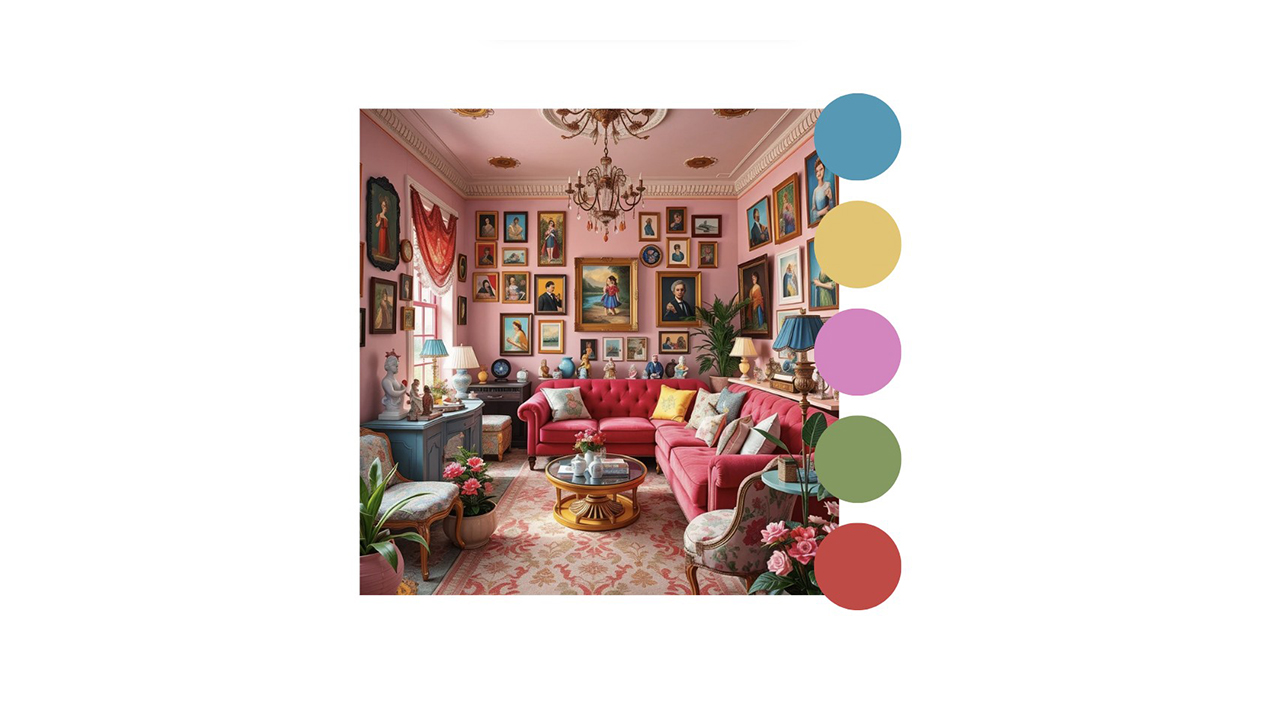
The Kitsch style is a celebration of excess, originality, and provocation, where anything can happen. Exaggerated, eclectic, and vibrant decorations create a fun and highly individual atmosphere. This type of design originated in 19th-century Germany and was popularized by the new bourgeoisie of Munich, who sought to imitate the luxuries of the elite with low-quality objects. The Kitsch style could be considered the opposite of minimalism, as maximalism is pursued in every corner of the home.
The fundamental characteristics of Kitsch are:
- Bright and saturated colors: The Kitsch color palette includes vibrant tones such as bubblegum pink, electric blue, and neon yellow. They combine in unexpected ways to create striking contrasts.
- The use of bold prints, without necessarily matching each other, creates a disruptive and ironic atmosphere in the rooms and expresses a casual and artistic personality.
- Diverse and personalized furniture: Furniture from different eras and styles is combined, often painted in bright colors to add authenticity and dynamism.
- Unexpected materials: Velvet, metal, wood, sequins, and plastic coexist harmoniously, creating an irreverent and striking aesthetic. Maximalist decor:
- Figurines, pop culture objects, and eccentric accessories invade every corner of the home, creating a casual and characterful atmosphere.
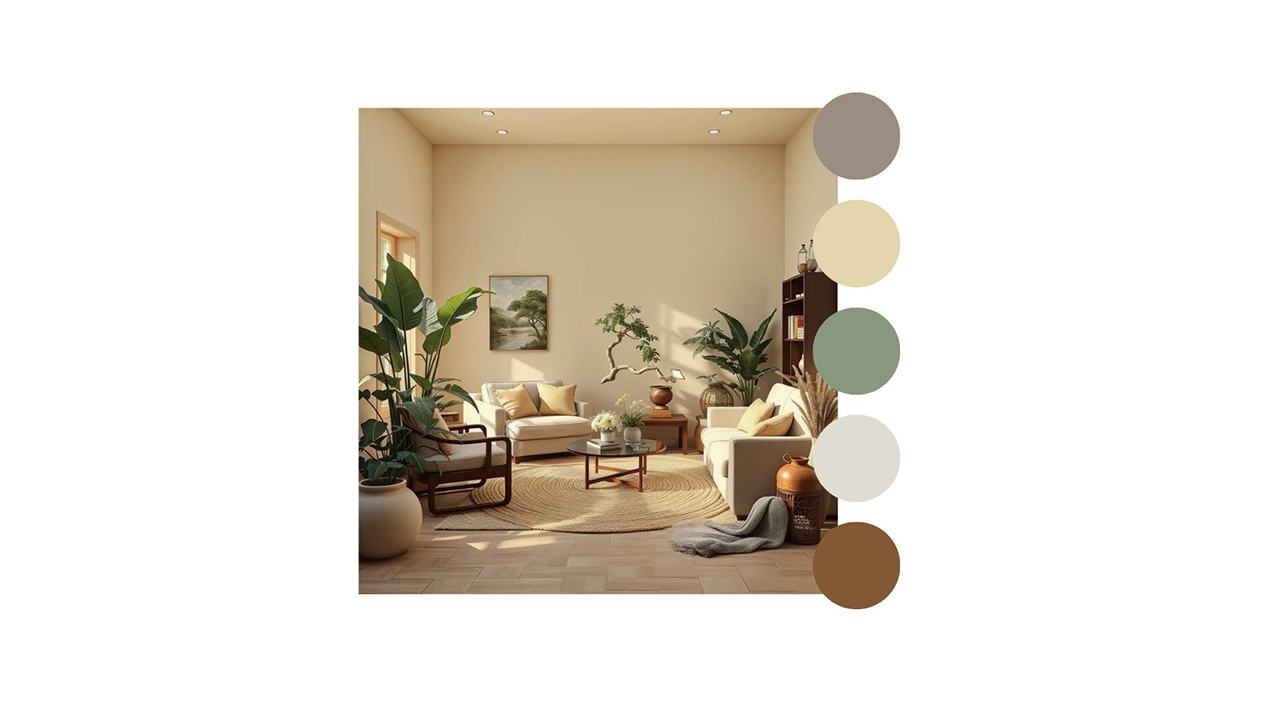
WABI SABI STYLE: The Beauty of the Imperfect
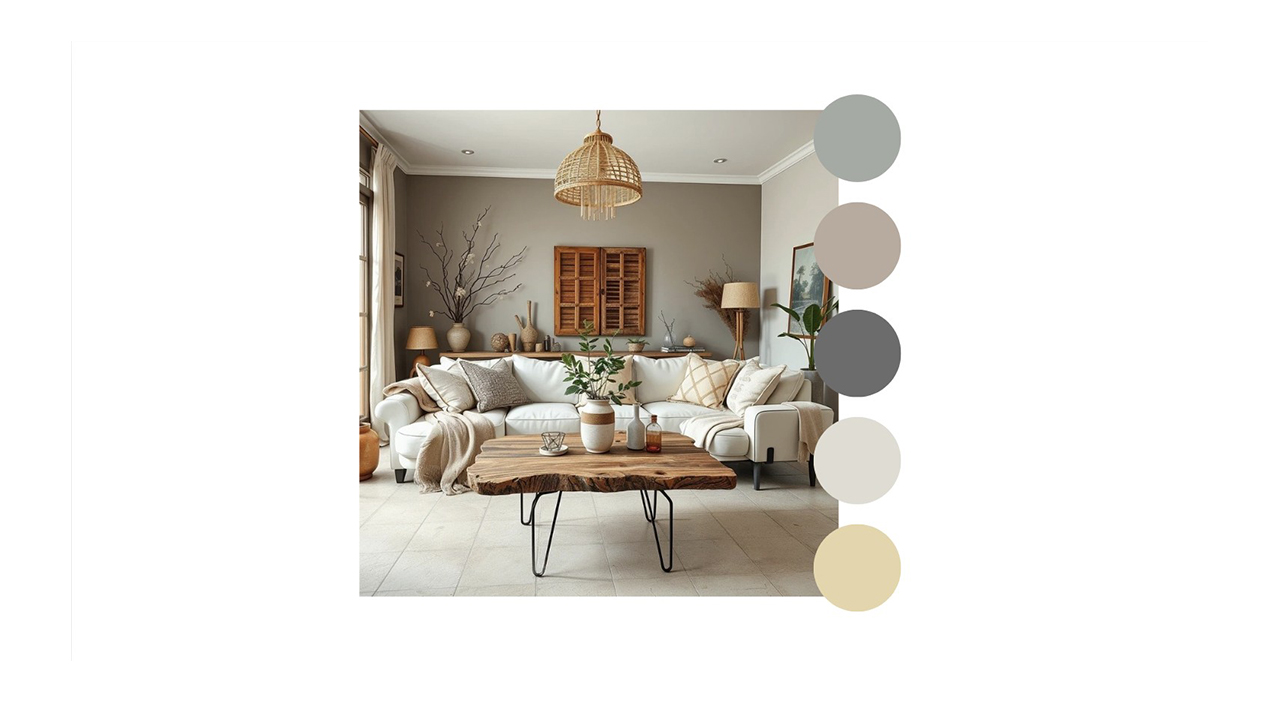
Wabi Sabi is a decorative approach based on an ancient Japanese philosophy that celebrates beauty in imperfection and authenticity. Far from seeking symmetrical perfection or ostentation, this style focuses on accepting the transience of objects and finding harmony in simplicity. Each piece tells a story and reflects the passage of time, providing a sense of nostalgia and serenity.
The key elements of this style include:
- Colors inspired by nature: Raw and beige tones predominate, as well as terracotta and soft greens, evoking earth, wood, and stone. These hues create a sense of calm and tranquility, generating welcoming spaces.
- Imperfection as essence: Rather than hiding signs of wear or irregularities, Wabi Sabi enhances them. Beauty in imperfection is valued, demonstrating that each object has its own unique character.
- Organic materials: Clay, linen, wood, and rattan are some of the essential elements, providing natural and varied textures that enrich the environment.
- Warm, soft lighting: Light plays an important role in this style. Soft, warm lighting is sought to bring intimacy and comfort to the space.
- Handcrafted decor: Handmade elements, such as sculptures, lamps, and ceramic figures, enhance authenticity and add a special touch.
- Natural touches: Plants, branches, and dried leaves are incorporated to reinforce the connection with the organic environment.
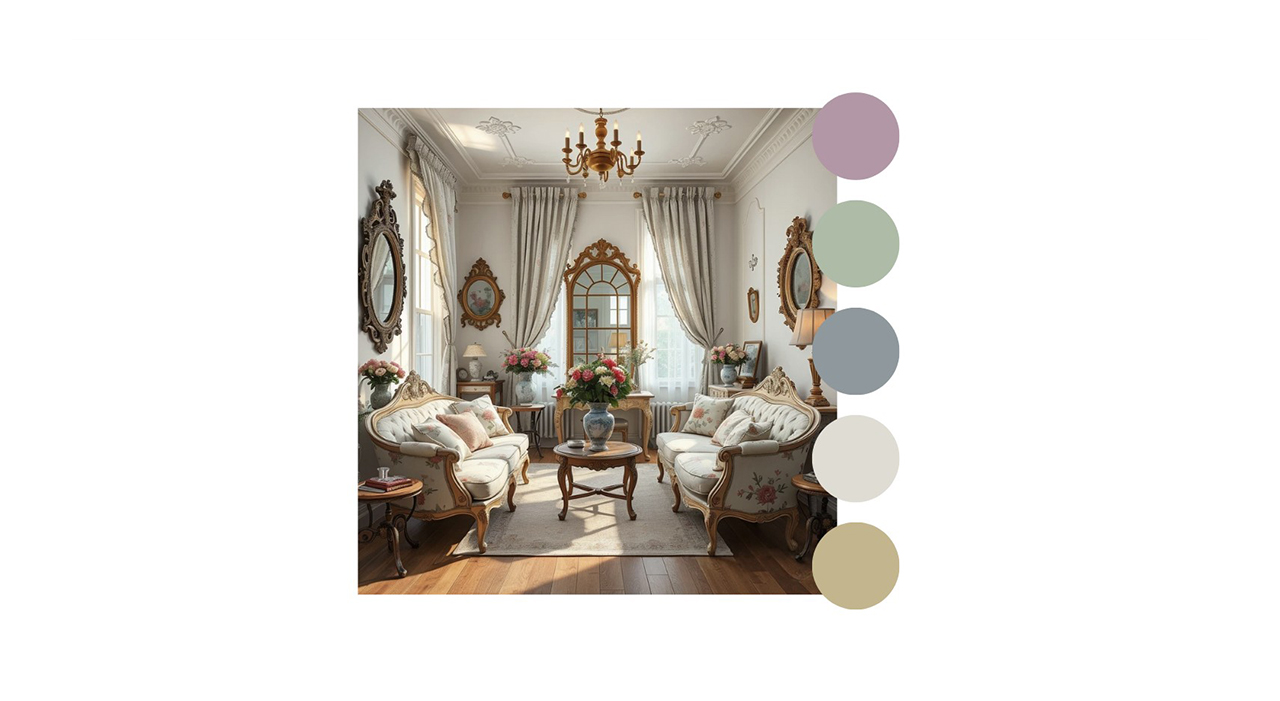
SHABBY CHIC STYLE: Vintage Romanticism
Shabby Chic originated in the 1980s in England and has become synonymous with romance and nostalgia. Its essence lies in the use of aged and restored elements, combined with delicate and feminine details to create cozy and charming spaces.
Some of its characteristics are:
- A predominance of white, pastel, cream, and powder colors, which add a touch of light and delicacy to the rooms.
- Distressed furniture: Imperfection is part of the charm, which is why many pieces of furniture have aged and restored finishes, giving a unique, handcrafted feel.
- Romantic prints: Floral and polka dot motifs on curtains, cushions, and upholstery enhance the delicate character of Shabby Chic.
- Cozy textiles: Linen, cotton, silk, and wool provide a cozy, warm feeling. Lace, crochet, and lace trim are also used to reinforce the romantic touch.
- Vintage accessories: Ornate mirrors, porcelain vases, antique lamps, and aged metal elements complete the nostalgic and elegant look of Shabby Chic.