Biophilic Design: Connecting Architecture with Nature
Biophilic design has emerged in recent years as a trend in architecture and design, promoting the integration of natural elements into indoor and outdoor spaces to improve the quality of life of their occupants. Through the incorporation of vegetation, natural light, and organic materials, this movement seeks to create a harmonious environment that reinforces the human connection with nature, providing well-being, health, and a unique sensory experience, just like wellness architecture.
Interest in this design philosophy has grown significantly, not only for its aesthetic benefits but also for its positive impact on people’s psychological and physical well-being. Its influence extends to diverse areas, from office planning to the creation of healthier and more sustainable urban spaces.
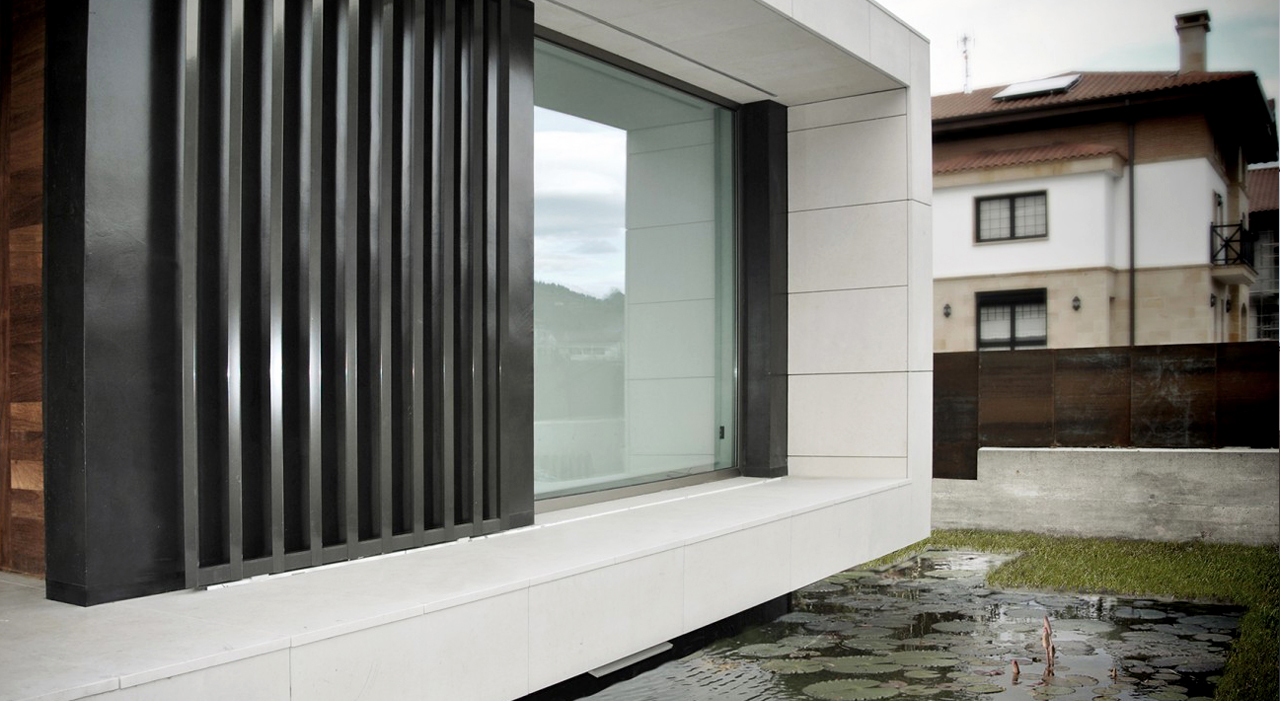
The Origin and Evolution of Biophilic Design
The term biophilia has its roots in the Greek language, derived from “bio,” meaning “life,” and “philia,” which translates as “love.” The underlying idea is the innate human inclination to connect with nature, a concept that has been studied since ancient times. One of the oldest and most emblematic examples of the application of biophilic principles in architecture is the Hanging Gardens of Babylon, one of the Seven Wonders of the Ancient World, conceived as a green oasis in the midst of the arid Mesopotamian landscape.
However, the modern concept of biophilia in architectural design did not begin to take hold until the 1980s, when American biologist Edward O. Wilson introduced the term into academia and science. In his research, Wilson highlighted the progressive disconnection of humans from nature as a result of urbanization and technology, emphasizing the need to reincorporate it into our daily lives to improve our quality of life.
Since then, biophilic design has become a key strategy for promoting well-being and sustainability in living spaces, a philosophy that more and more architects and designers are incorporating into their projects.
Main Characteristics of Biophilic Design
To achieve the effective integration of nature into architectural spaces, biophilic design follows several essential principles:
Presence of Vegetation
One of the most notable aspects of this style is the inclusion of vegetation in multiple forms, from indoor and outdoor gardens to plant-covered walls, vertical gardens, and green roofs. It has been shown that the presence of flora improves physical and mental health, reducing stress, improving productivity, and promoting concentration in work or educational environments.
Natural Light and Air
Natural light plays a fundamental role in biophilic design. Its entry is maximized through large windows, skylights, and glass doors, allowing interior spaces to be flooded with natural light. This not only improves mood and perception of the environment but also reduces energy consumption.
Furthermore, proper air circulation is essential for creating a healthy environment. Strategies such as cross ventilation, the use of internal courtyards, and the incorporation of air purification systems promote the creation of fresh and balanced spaces.
Natural Materials
The use of organic materials such as wood, cotton, linen, stone, and leather is a hallmark of biophilic design. These elements not only contribute to sustainability and reduce the ecological footprint, but also convey a sense of warmth and comfort, enhancing the occupants’ sensory experience.
Natural Elements
Incorporating elements such as water and fire into architectural design contributes to the creation of immersive environments. Fountains, ponds, and aquariums help generate a relaxing atmosphere, while the use of fireplaces and candles reinforces the feeling of warmth and well-being.
Natural landscapes, whether through panoramic views or the inclusion of self-sufficient ecosystems within buildings, also play a crucial role in creating harmonious spaces.
Shapes and Geometries Inspired by Nature
Biophilic design integrates organic patterns and shapes that mimic structures found in nature, such as waves, spirals, curves, and fractals. These patterns can be found in the arrangement of columns, staircases, furniture, and decorations, creating a sense of fluidity and connection with the environment.
Natural Colors and Aromas
The color palette used in these designs is inspired by nature, including earthy tones, greens, blues, and grays. These colors have positive psychological effects, promoting calm and balance.
Natural aromas, obtained through the use of essential oils, flowers, and aromatic plants, enhance the sensory experience, contributing to emotional well-being.
Cultural Roots and Sustainability
Biophilic design also adapts to the cultural identity of the environment, incorporating native elements and respecting the biodiversity of the place. It also promotes sustainability through the use of recyclable materials and the implementation of green construction techniques, which contributes to environmental preservation.
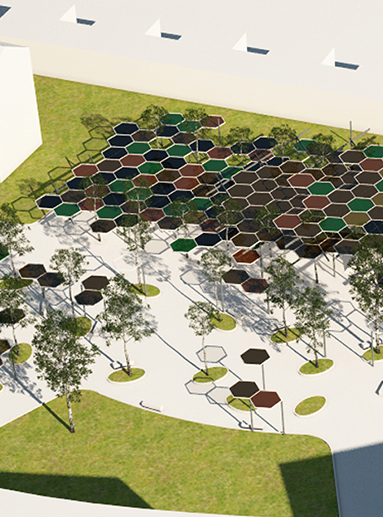
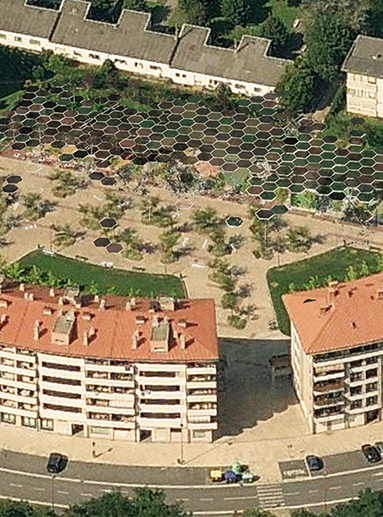
Zarautz Covered Square Project
Benefits of Biophilic Design
The positive impact of biophilic design on everyday life is evident in numerous studies. Some of the main benefits include:
- Reduction of stress and anxiety, promoting a state of calm and emotional balance.
- Improved concentration and productivity, especially in work and educational spaces.
- Boosting creativity, providing inspiration and mental well-being.
- Greater connection with nature, reinforcing a sense of harmony in urban spaces.
- Sustainability and energy efficiency, minimizing environmental impact.
Biophilic design represents an evolution in architecture and interior design, highlighting the importance of connecting humans with nature to improve their well-being. From the use of natural materials to the inclusion of living landscapes and green spaces, this approach transforms built environments into healthier, more sustainable, and harmonious places. As society moves toward a greener future, biophilic design is positioned as a fundamental tool for improving our relationship with the planet and our quality of life.