Home Staging
Have you heard of Home Staging?
If you’re considering selling or renting a property, this term may not sound entirely unfamiliar to you. Competition in the real estate market is increasingly fierce, with a wide variety of properties on offer, both in price and features. In this scenario, standing out from the crowd is essential, and this is where Home Staging comes into its own as a strategic tool that can make the difference between selling quickly or watching months go by without results.
Although the sale price and location are key factors in any real estate transaction, they aren’t the only elements that influence a buyer’s decision. Emotional and visual aspects also play a very important role. Home Staging offers effective solutions to accelerate the sale, improving the perception of the property and connecting with potential buyers from the very beginning.
What is Home Staging?
The English term “Home Staging,” which literally means “putting the house on stage,” refers to a real estate marketing technique originating in the United States. This methodology emerged in the 1970s, during a period when housing supply far exceeded demand. Its arrival in Spain began with the economic crisis of 2008, when the overproduction of properties faced a drastic drop in the number of buyers. The main objective of Home Staging is to enhance the attractiveness of a home through careful, aesthetic preparation. It involves highlighting the space’s strengths and minimizing its flaws, with the aim of capturing the interest of the largest possible number of buyers or tenants. It is important to emphasize that it does not involve major renovations or profound transformations, but rather the application of presentation strategies that improve the property’s overall image.
Home Staging vs. Interior Design
Although at first glance they may seem similar, home staging and interior design have very different approaches. The former is oriented toward commercial objectives, while the latter seeks to express the lifestyle and personality of the home’s inhabitants.
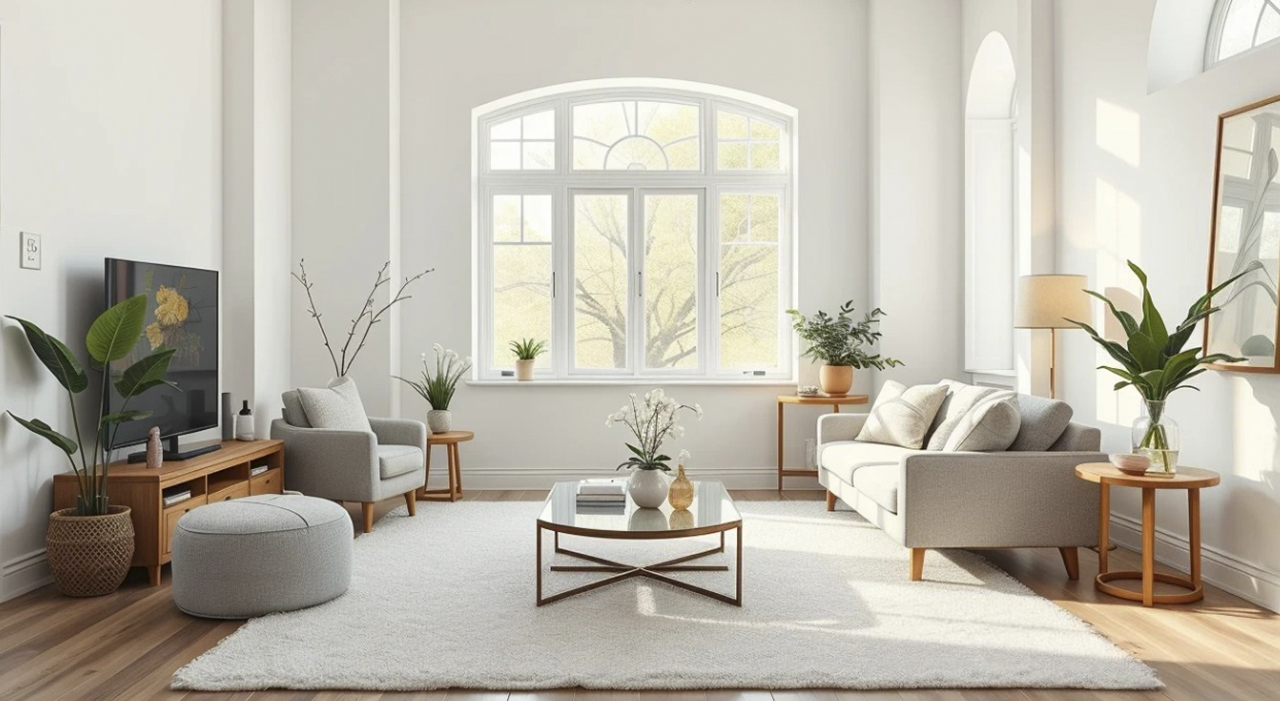
Home staging transforms spaces to make them more neutral and attractive overall. This involves rearranging furniture, selecting minimalist decor, and removing personal items such as photographs or overly particular decorations. The goal is to allow each visitor to imagine what it would be like to live there, fostering emotional identification with the property.
Interior design, on the other hand, focuses on adapting the home to the tastes of its occupants. Here, there is a quest for originality, comfort, and personal functionality. The designs and decorative choices reflect the essence of those who live there, without worrying about their overall appeal to others and optimizing every corner functionally and aesthetically.
Techniques
Home staging doesn’t involve major renovations, but rather paying attention to certain details that, when executed well, can have a transformative effect. These are some of the most commonly used techniques:
Lighting
A well-lit home conveys positive energy, a feeling of spaciousness and comfort. Natural light is key: it should be enhanced by removing heavy curtains, cleaning windows, and avoiding objects that block the light. Regarding artificial lighting, it’s advisable to use warm bulbs and distribute spotlights in strategic areas to avoid shadows and create a welcoming atmosphere.
Colors
The use of light, soft tones visually expands spaces and makes it easier for buyers to project their own styles. Therefore, it’s advisable to unify and paint your home in these tones if it’s currently painted in other, stronger colors.
Purpose
To optimize the use of home staging, you must be very clear about the purpose of the home. Let’s not forget that this technique is a fictional recreation of how the home would look once furnished and decorated. Therefore, if instead of a first home, we are selling a vacation home, such as a townhouse, the most interesting thing would be to decorate it in a cozy way, with numerous cushions, plants, and blankets that invite rest and relaxation.
Furniture
Furniture should follow a clear and discreet aesthetic. It is best to use light tones—such as white, beige, or soft gray—and neutral designs, without excessive ornamentation. This choice helps the buyer focus on the overall space of each room, without being distracted by the style of the furniture.
Accessories such as cushions, vases, blankets, or rugs can enhance the decor, as long as they remain consistent with the minimalist style. Natural plants also add vitality and freshness, in addition to creating a well-maintained atmosphere.
If the home is empty, it may be helpful to use cardboard or rental furniture, the purpose of which is simply to show how the space can be used without a costly investment.
Preparation
Each area should be properly arranged, including hallways, balconies, and terraces. An empty room can convey a sense of neglect or uselessness, which could raise doubts in the buyer.
If there is already furniture in the home, it’s a good idea to review which pieces should be kept and which should be removed, ensuring that the spaces don’t feel cluttered and feel spacious and functional.
Depersonalization
To help visitors imagine themselves living in the house, it’s essential to remove the owner’s personal belongings: family photographs, mementos, visible clothing, trophies, and more. Creating an impersonal yet welcoming atmosphere helps establish an emotional connection with the home.
Order, Cleanliness, and Maintenance
Deep cleaning and general order are essential. A sparkling home conveys care, maintenance, and comfort. It’s also a good idea to ventilate the spaces before viewings and use light-scented air fresheners to reinforce the positive impression.
It’s important to check that all elements of the house are working properly: faucets, switches, appliances, locks, and more. Repairing minor defects prevents the buyer from focusing on problems and helps the house appear ready to move in.
Photography and Video
Images of the home are the presentation letter on real estate websites. That’s why it’s key to have good-quality photographs, taken in natural light and from angles that highlight the best features of the space. If possible, it’s recommended to hire a professional photographer or use video and virtual tour services, especially if you want to stand out from the competition.
Benefits of Home Staging
The benefits of applying home staging are multiple, for both sellers and buyers:
- Greater visual appeal: A well-maintained home generates positive emotions, which facilitates the purchase decision.
- Reduced time on the market: By standing out from other options, the possibility of a quick sale increases.
- Increased perceived value: Buyers are willing to pay more for a home that conveys quality and well-being.
- Differentiation from the competition: A visually striking listing attracts more attention than a neglected one.
- Reduced cost: Compared to a complete renovation, home staging requires minimal investment and can offer a high return.