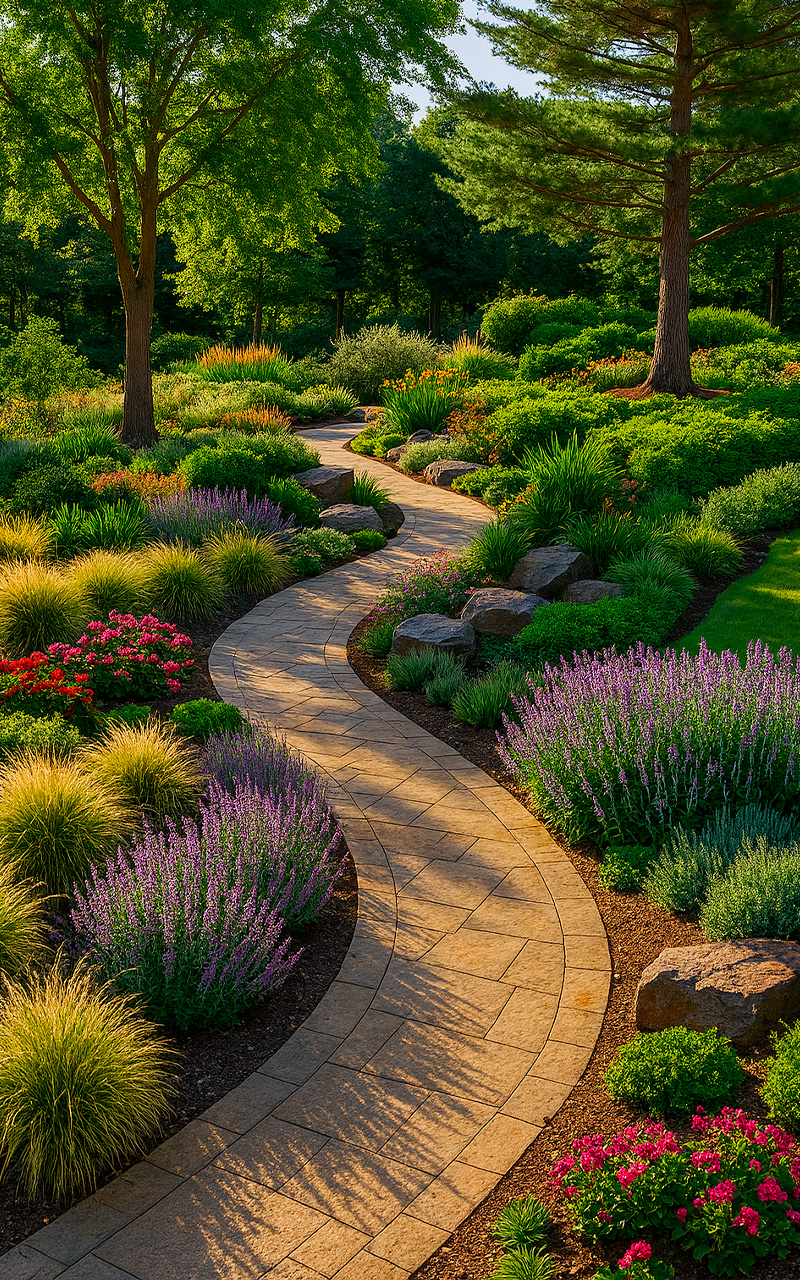
The art of landscaping: functionality, beauty and sustainability
When we think of landscaping, it’s easy to imagine well-maintained gardens, colorful flowers, or urban parks with shaded paths. But this discipline goes far beyond aesthetics. Landscaping—also known as landscape architecture—is a branch of design that deals with planning, intervening in, and managing outdoor spaces, both natural and built, with the aim of improving quality of life, promoting sustainability, and reconnecting people with nature.
In an increasingly urbanized world, where contact with nature is becoming scarce, landscaping plays a fundamental role. It not only beautifies but also transforms spaces into livable, functional, and emotionally meaningful places.
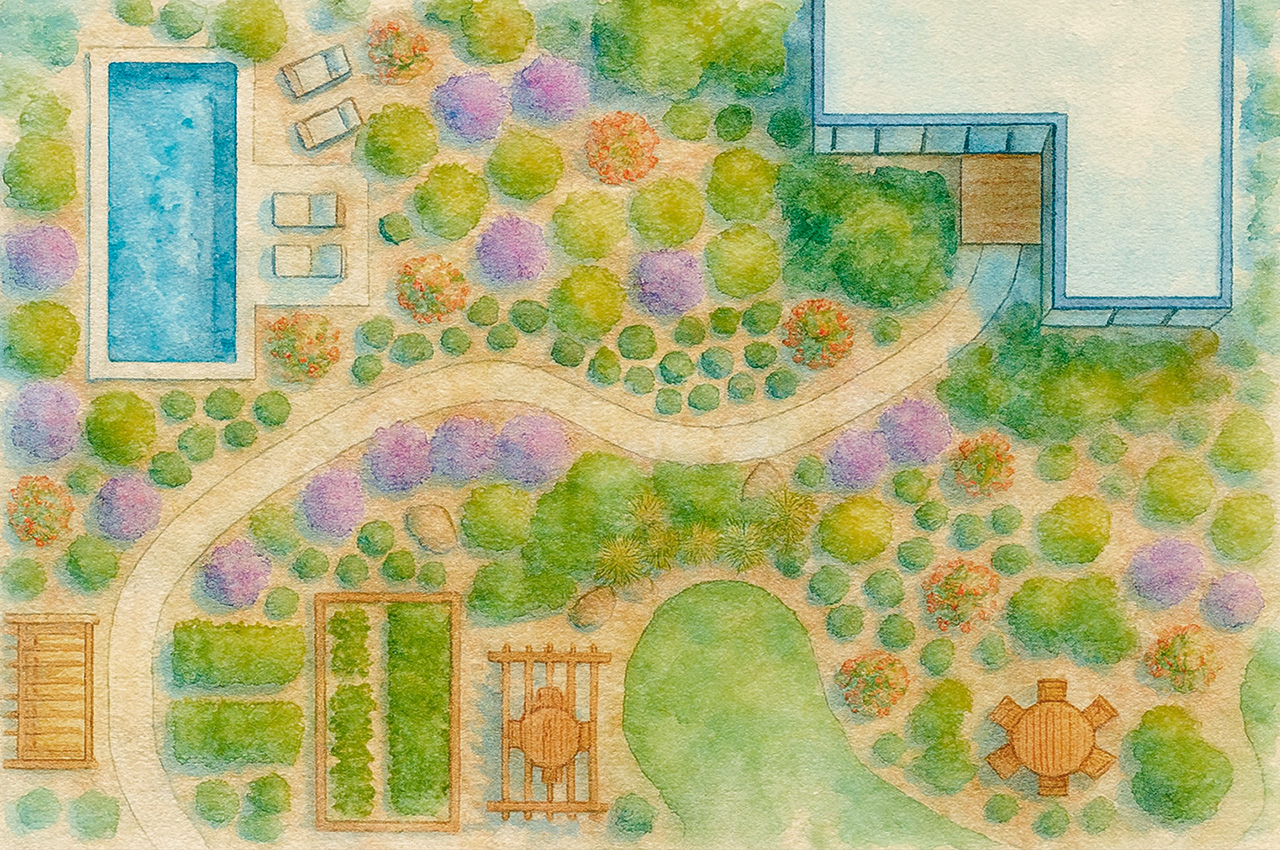
What does a landscape designer actually do?
Unlike gardening, which focuses on the care and maintenance of plants, landscaping approaches the design of outdoor spaces from a holistic perspective. A landscape architect analyzes the terrain, climate, sun exposure, topography, existing vegetation, and the needs of the space to propose solutions that harmonize the natural environment with the built environment.
Their work combines technical knowledge—such as hydraulics, soil science, botany, and urban planning—with aesthetic sensibility and creativity. The result is spaces that not only function well but also inspire, inviting contemplation, play, relaxation, or social interaction.
From a small private garden to an urban park, a seaside promenade, or a rural setting, landscape architecture adapts its scale and approach to respond to the specific characteristics of each place and its users.
A Journey Through the History of Landscape Design
Although the term “landscape design” is relatively recent, the practice of designing outdoor spaces has ancient roots. The ancient Egyptian and Persian civilizations created symbolic and functional gardens, such as the legendary Hanging Gardens of Babylon, built in the 6th century BC along the Euphrates River. This artificial oasis, filled with lush vegetation, was considered one of the Seven Wonders of the Ancient World.
The Greeks and Romans continued this tradition, incorporating elements such as courtyards, fountains, pergolas, and terraces. Their gardens were spaces for gathering, reflection, and pleasure, integrated into daily life.
During the Middle Ages, landscape design found refuge in monasteries, where gardens served medicinal, nutritional, and spiritual purposes. With the Renaissance, gardens once again took center stage in architecture, following principles of symmetry, proportion, and perspective. The Baroque period took this idea to its extreme, with monumental gardens like those at Versailles, designed by André Le Nôtre, where geometric order and theatricality dominated the landscape.
In the 18th century, England proposed an alternative vision: the landscape garden, freer and more natural, inspired by Romantic painting. The aim was to recreate bucolic scenes with rolling hills, lakes, groves, and winding paths, in contrast to the rigidity of the French style.
With the Industrial Revolution and the growth of cities, the need arose to create public green spaces. Landscape design became a tool for health and social cohesion. Today, in the midst of the climate crisis, this discipline is reinventing itself to integrate sustainable solutions, restore ecosystems, and design resilient spaces.

How is a landscaping project carried out?
A landscaping project is not just a matter of inspiration. It requires analysis, planning, and careful execution.
Site Assessment
The first step is to determine the current state of the land to be worked with. This involves analyzing factors such as soil type, sun orientation, rainfall patterns, slope, existing vegetation, and built elements. Views to be enhanced or protected, access points, shaded areas, and drainage conditions are also identified.
This assessment allows us to understand the opportunities and limitations of the space and is key to making sound decisions in the following phases.
Space Design
With the information gathered, a master plan is created that defines the structure of the garden or outdoor space. Here, the following decisions are made:
- What zones there will be (rest, play, cultivation, walkways, contemplation, etc.)
- What elements will be incorporated (pergolas, ponds, paths, walls, swimming pools, etc.)
- What materials will be used (gravel, wood, stone, ceramics, grass, etc.)
- What style the garden will adopt (modern, Mediterranean, Japanese, natural, minimalist, etc.)
The most suitable plant species are also selected, taking into account their resistance to the local climate, their water requirements, their flowering cycle, and their aesthetic or ecological value. Native or adapted species, which require less maintenance and promote biodiversity, are prioritized.
Lighting, furniture, and decorative elements are also integrated at this stage, aiming to create a complete sensory experience.
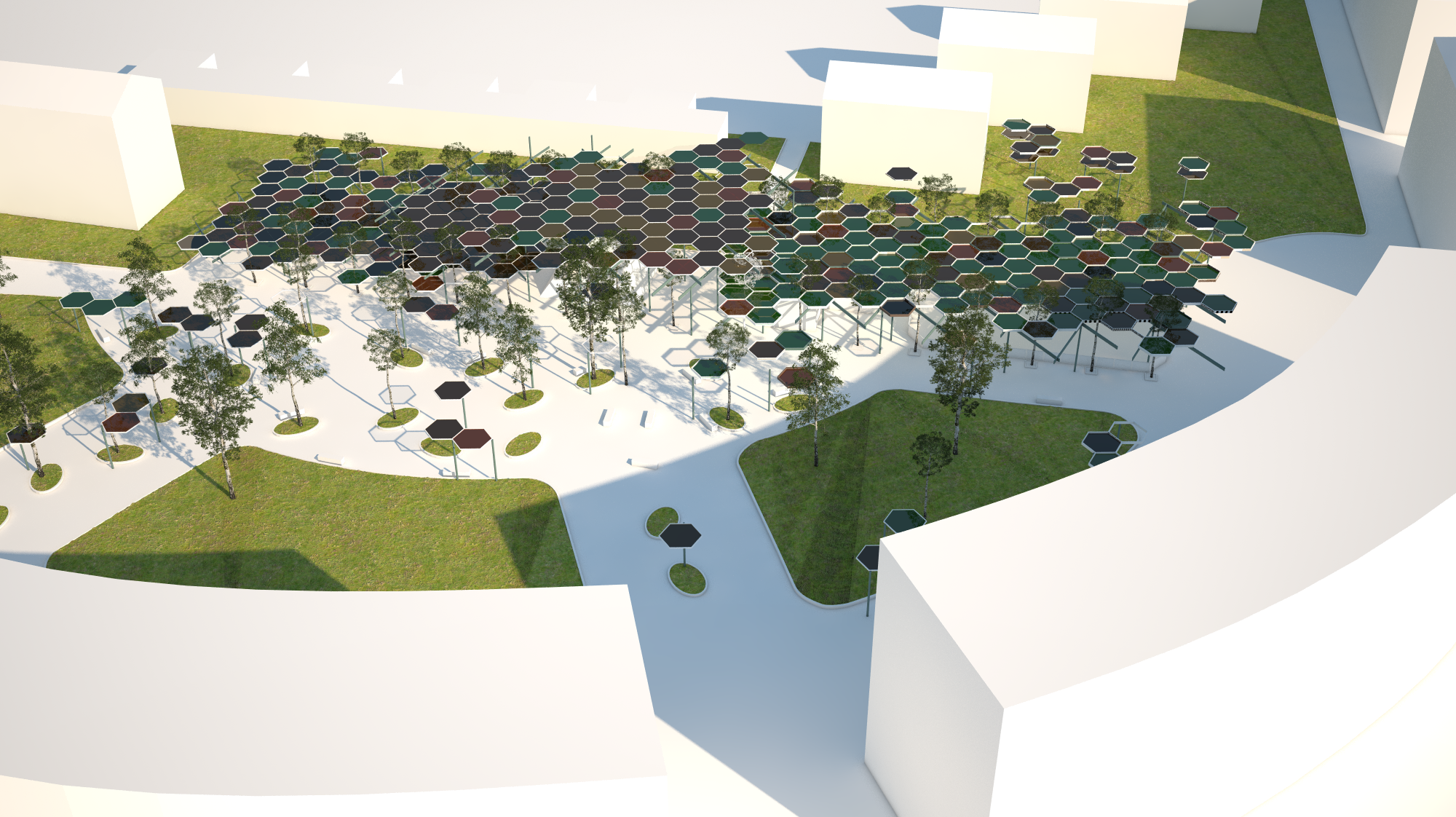
Zarautz Covered Square Project
Implementation and Commissioning
Once the design is approved, the physical transformation of the space begins. The land is cleared, surfaces are leveled, and the soil is prepared with appropriate substrates. Then, the structural elements are built, irrigation, drainage, and lighting systems are installed, and planting proceeds according to a detailed plan.
Each plant species is placed considering its mature size, growth rate, and interaction with the environment. Finally, decorative elements and furniture are added, bringing the design to life.
Maintenance
Landscapes, like any type of construction, require maintenance to ensure their good condition. This includes tree pruning, monitoring and preventive or corrective treatment of pests and plant replacement, repair or replacement of damaged structural or decorative elements, and verification and control of the irrigation system.
Proper maintenance not only preserves the beauty of the space but also guarantees its ecological efficiency, safety, and ability to continue fulfilling the functional and aesthetic objectives for which it was designed.
Landscape Design Today
In recent years, landscape design has evolved toward a more conscious and committed approach to environmental sustainability. This transformation responds to the urgent need to adapt outdoor spaces to the challenges of climate change, water scarcity, and biodiversity conservation.
One of the main strategies adopted by landscape professionals is the use of native species. These plants, being naturally adapted to the region’s climate and soil, require less water, fertilizer, and intensive care. Their integration into gardens and green spaces not only reduces water consumption but also promotes ecosystem resilience and encourages the presence of local fauna.
Likewise, the planting of deciduous trees is prioritized, as they provide shade during the warmer months and allow sunlight to penetrate during the winter. This bioclimatic solution helps regulate the temperature of both outdoor and indoor spaces, improving thermal comfort and reducing the need for artificial climate control. Another prominent trend is the incorporation of artificial wetlands and water retention areas, which act as natural thermal regulators, cooling the environment and promoting biodiversity. These elements, in addition to their aesthetic and ecological value, help to balance the surrounding microclimate.
Finally, current landscape design favors efficient rainwater harvesting and utilization systems. Through gutters, tanks, and drip irrigation systems, water use is optimized, ensuring garden maintenance without compromising water resources.
In short, contemporary landscaping not only seeks to beautify spaces but also to integrate them harmoniously with the environment, promoting responsible practices that respect and enhance nature.