“Wellness architecture”
Wellness architecture, also known as Wellness Architecture, has emerged as an essential need in contemporary society. Beyond the simple functionality that characterizes traditional architecture, this new trend seeks to improve the quality of life of those who live within it. Its approach goes beyond aesthetics, focusing on the comprehensive well-being of people by creating environments that promote both physical and mental health. The implementation of sustainable techniques and resources is another fundamental element of its development, combining reducing energy efficiency with the reduction of the ecological footprint that new construction and renovations entail.
The Impact of the Pandemic on Wellness Architecture
The COVID-19 pandemic significantly transformed society’s perception of living spaces. Long days in confinement made evident the need for adequate environments not only for living, but also for working, resting, and socializing. In the wake of this health crisis, homes took on new importance as refuges that must not only offer security but also contribute to emotional well-being.
The rise of wellness architecture is largely a response to this shift in mindset. The search for environments that foster relaxation, productivity, and connection with nature has led to a rethinking of architectural design in various fields. From offices and shopping malls to hospitals and private homes, the application of this trend has spread to numerous spaces.
The Importance of Neuroarchitecture
A concept closely linked to wellness architecture is neuroarchitecture, an emerging practice that studies how physical environments affect people both physically and mentally and seeks a balance between aesthetics and well-being.
Advances in this field have led to significant improvements in the planning and design of hospitals, offices, and educational spaces. For example, in the workplace, spaces designed according to these principles can enhance employee creativity and productivity, as well as improve their comfort by creating more welcoming atmospheres.
Key Elements of Wellness Architecture
The effectiveness of wellness architecture depends on several fundamental elements that must be integrated into the design and construction of any space. Some of the main ones are:
Adequate Lighting
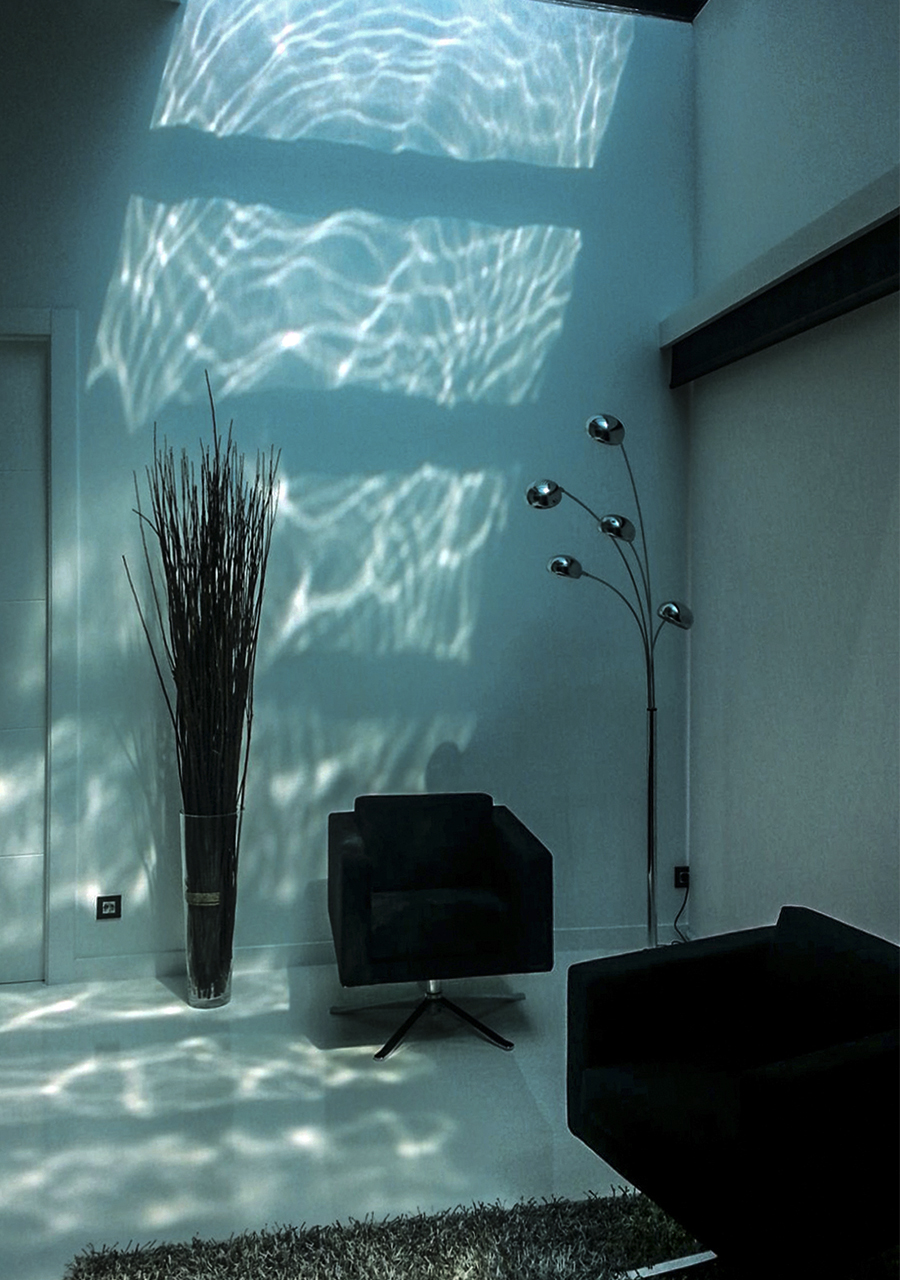
Light has a direct impact on people’s mood and energy. Wellness architecture focuses on maximizing the use of natural light through the strategic distribution of windows and materials that enhance its diffusion. Artificial lighting also plays an important role and should be adjusted to create warm and welcoming atmospheres.
Minimalism and Order
Minimalism is an approach that promotes simplicity and functionality, avoiding sensory overload. The use of neutral and light tones contributes to creating an atmosphere of calm and serenity. Likewise, orderly and well-distributed spaces help reduce stress and increase the feeling of comfort.
Sustainable Materials
Choosing biodegradable and natural materials is key to achieving a positive impact on health and the environment. Wood, stone, and organic fabrics such as linen and cotton not only provide warmth but also contribute to reducing polluting emissions and supporting the planet’s sustainability.
Presence of Vegetation
Including natural elements in architectural spaces is essential to fostering a connection with nature. Plants and flowers, in addition to being key elements in decor, improve air quality and generate a sense of tranquility and harmony.
Energy and Acoustic Efficiency
The implementation of technologies that optimize energy consumption and reduce noise pollution is essential in wellness architecture. Adequate ventilation systems, efficient lighting such as LED lights, and sound insulation contribute to the creation of healthy environments free from harmful distractions.
Ergonomics in Design
Furniture arrangement is essential to ensuring the comfort and physical health of occupants. Ergonomics seeks to ensure that furniture promotes healthy postures and minimizes physical strain. In offices and workspaces, for example, ergonomically designed chairs and desks can improve productivity and prevent muscle aches and pains.
Space Personalization
Each individual has specific needs that must be considered in architectural design. The ability to adapt spaces according to the occupants’ lifestyles and personal preferences is key to achieving a sense of comfort and belonging.
Universal Accessibility
Wellness architecture seeks to design inclusive spaces, accessible to all people regardless of their physical conditions or specific needs. The intelligent distribution of elements and the elimination of architectural barriers ensure functional environments for any user.
Social Areas
Creating pleasant spaces that encourage interaction and socialization between people is essential to strengthening the sense of community and improving quality of life. These spaces should be designed with elements that encourage lingering, comfort, and enjoyment, ensuring that everyone feels welcome and motivated to participate in the social life of the place.
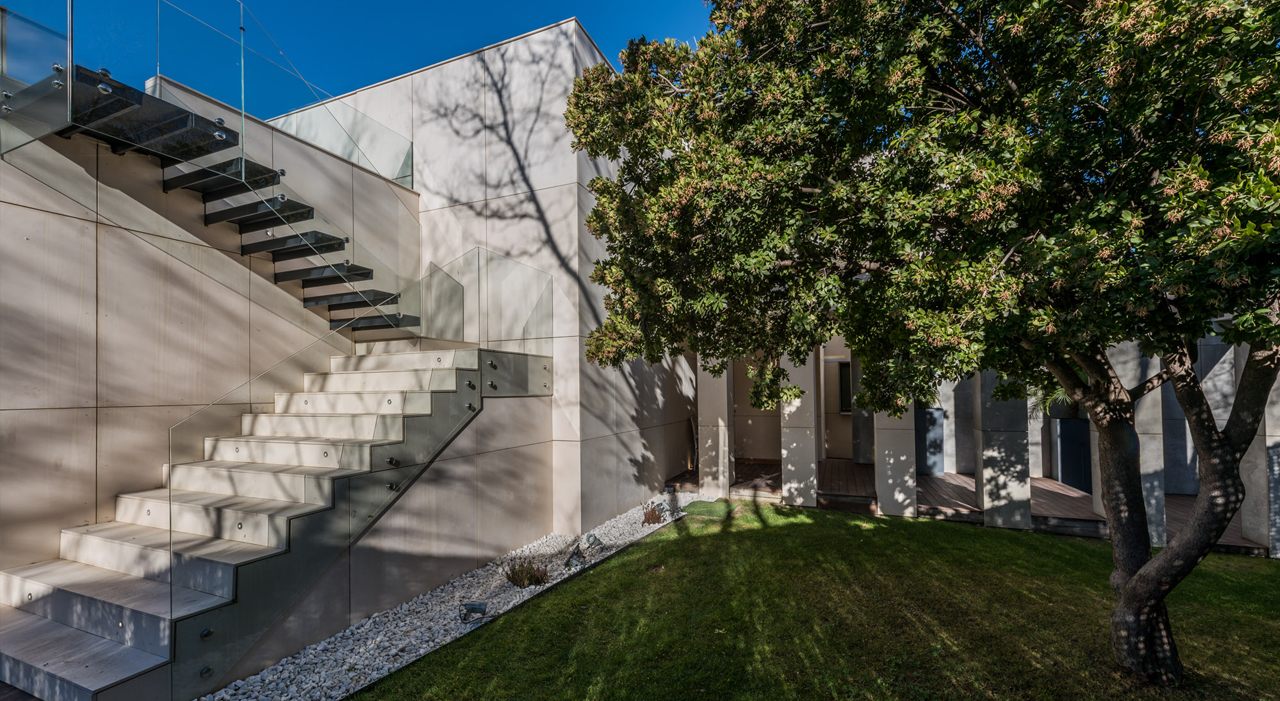
Wellness architecture is already being implemented in all types of buildings, from workplaces, such as offices and commercial premises, to hotels and homes. The positive impact of this trend is notable in various aspects, from health to the economy. The improvement in the quality of life of residents translates into greater productivity, reduced energy costs, and a lower environmental impact. In a world where well-being has become a priority, wellness architecture represents one of the most promising trends for the future.