Selection of materials for building structures
When building a structure, one of the most important factors to determine is the primary material to be used for its structure. This choice is influenced by various factors, such as budget, construction time, desired style, and the specific needs of the building and the site where the project will be built.
In large cities or towns, it is easy to find different types of structures depending on the age of the buildings and their historical context. For example, half-timbered buildings, also known as timber-framed houses, were very common in medieval Europe. They were characterized by being constructed with a wooden frame that was later filled with materials such as brick or stone. Reinforced concrete structures, on the other hand, are currently predominant, having become popular in the mid-20th century due to their durability and strength.
The most commonly used materials for structural construction are wood, concrete, masonry, and steel. Each has advantages and disadvantages that must be considered before choosing the most appropriate one. These factors include cost, durability, performance under different environmental conditions, and speed of construction.
Wood Structures
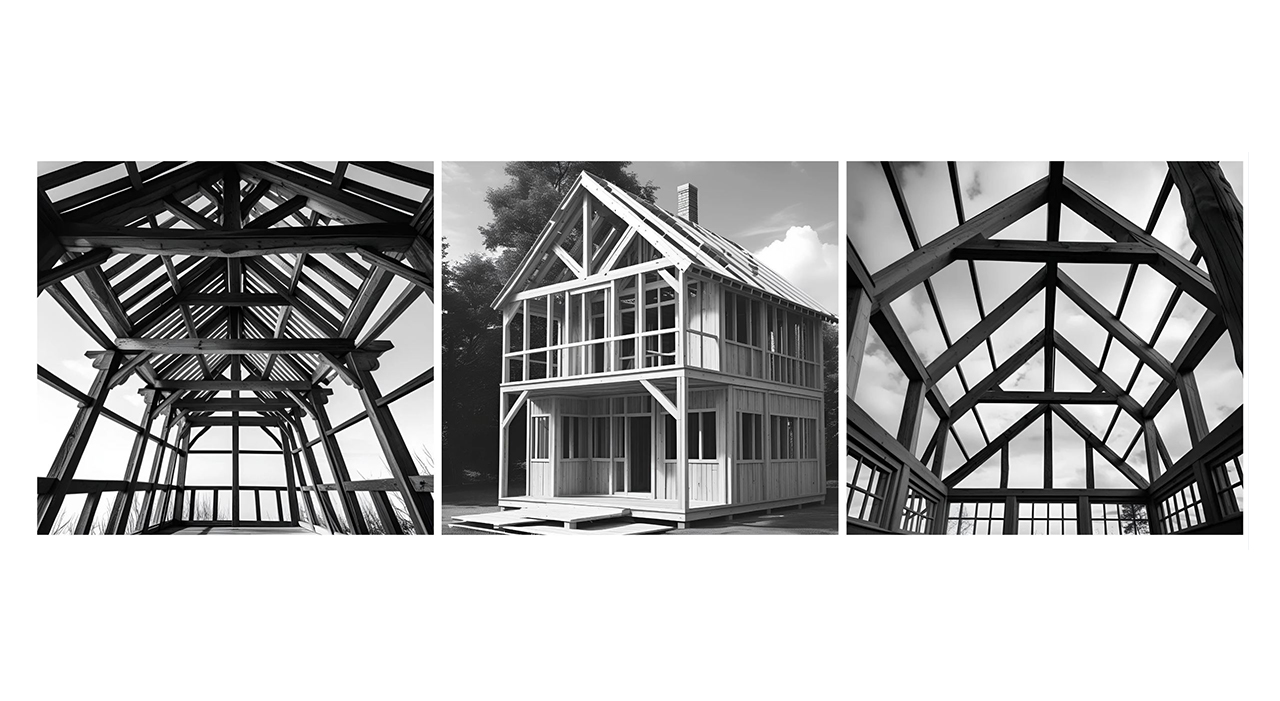
Wood has been used as a building material since ancient times. In some countries, such as the United States, it is the most common material in residential homes, while in Europe its use has been less frequent. However, due to the rise of sustainable and ecological construction, this material is gaining popularity in Spain and other European countries. Its use has extended to lightweight structures, facades, and interior finishes.
The rustic style is perfectly suited to this type of construction, as wood provides warmth and creates a cozy atmosphere. Among its advantages are its lightness, ease of handling, and resistance if worked correctly. Furthermore, wooden structures offer good earthquake resistance, as their flexibility allows them to absorb some of the seismic energy.
However, wood requires constant maintenance to avoid moisture problems and the appearance of pests such as termites. To ensure its durability, it is necessary to apply protective treatments and choose resistant wood species.
Masonry Structures
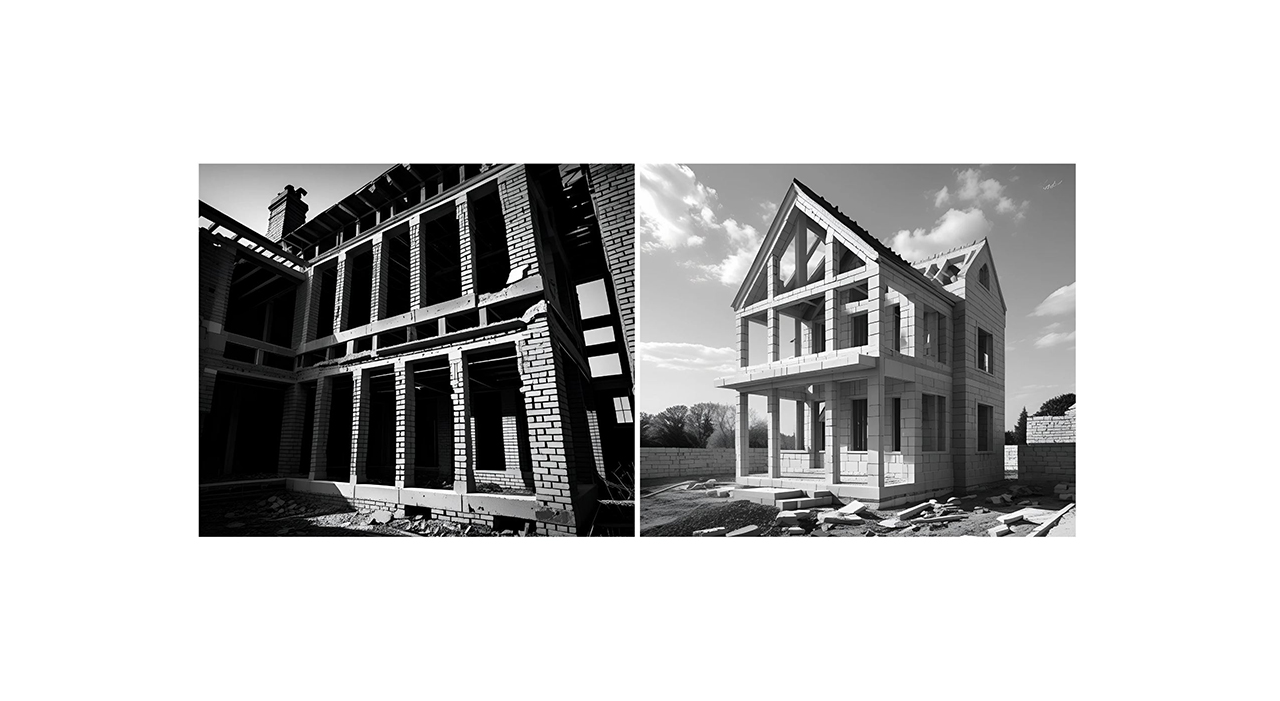
The masonry system uses materials such as bricks, blocks, or stones bound together by mortar or grout to construct the walls and structure of the building. This type of material is highly versatile, as in addition to being very aesthetically pleasing, it offers the opportunity to construct all types of architectural elements such as arches, vaults, and slabs, thus adapting to numerous styles, such as classic or rustic.
One of the main benefits of masonry is its insulating capacity, both thermally and acoustically. Stone, in particular, regulates interior temperature well, providing coolness in the summer and heat retention in the winter. Brick, meanwhile, is easy to handle and relatively low-cost, making it an attractive option for projects of varying budgets.
However, masonry constructions require longer construction times, as the mortar must wait between construction phases. This implies higher costs in labor and machinery rental.
Reinforced Concrete Structures
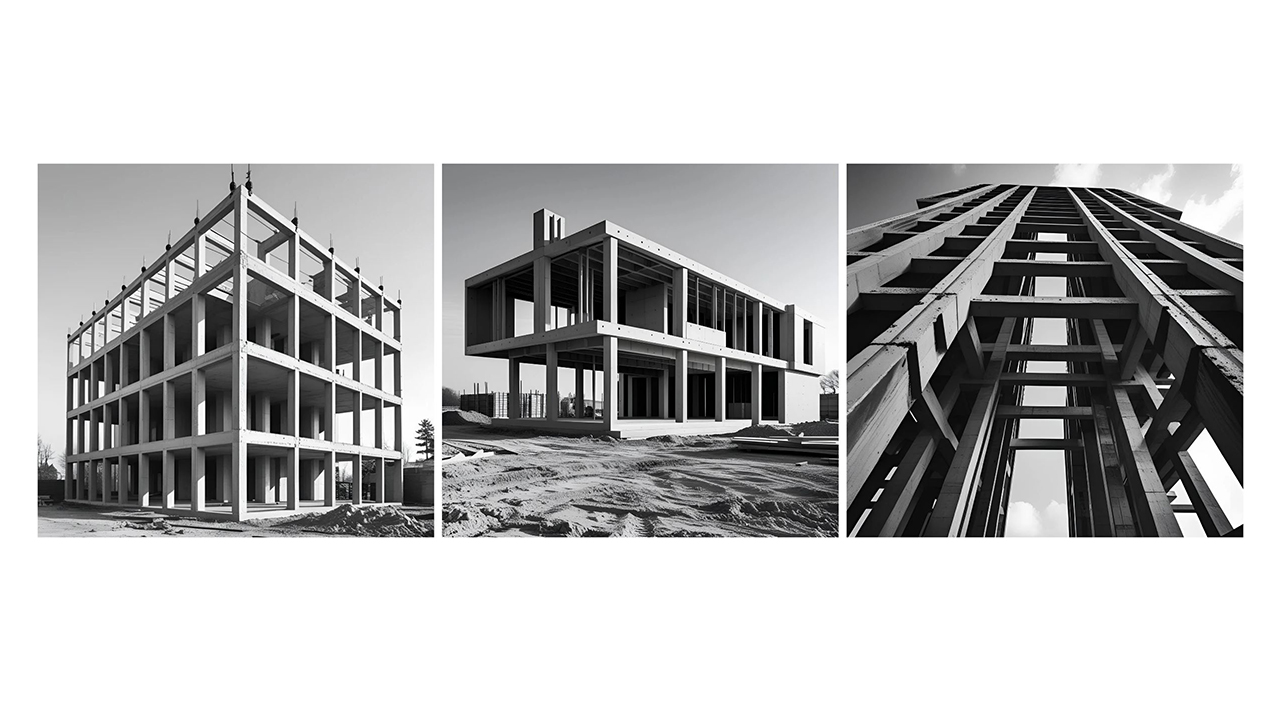
Reinforced concrete is the most widely used construction system today, as well as being the most durable and resistant, ideal for tall and large buildings as its combination of cement, water, sand, and gravel offers great structural strength.
This material stands out for its insulating properties and fire resistance, reducing the risk of fires. It is also readily available, as it is abundant and requires minimal maintenance. It also allows architectural designs to be adapted to various needs, optimizing energy savings. The styles most suited to this type of structure are contemporary and industrial.
However, its main disadvantage is its high weight and volume, which can hinder its ability to adapt to seismic movements.
Steel Structures
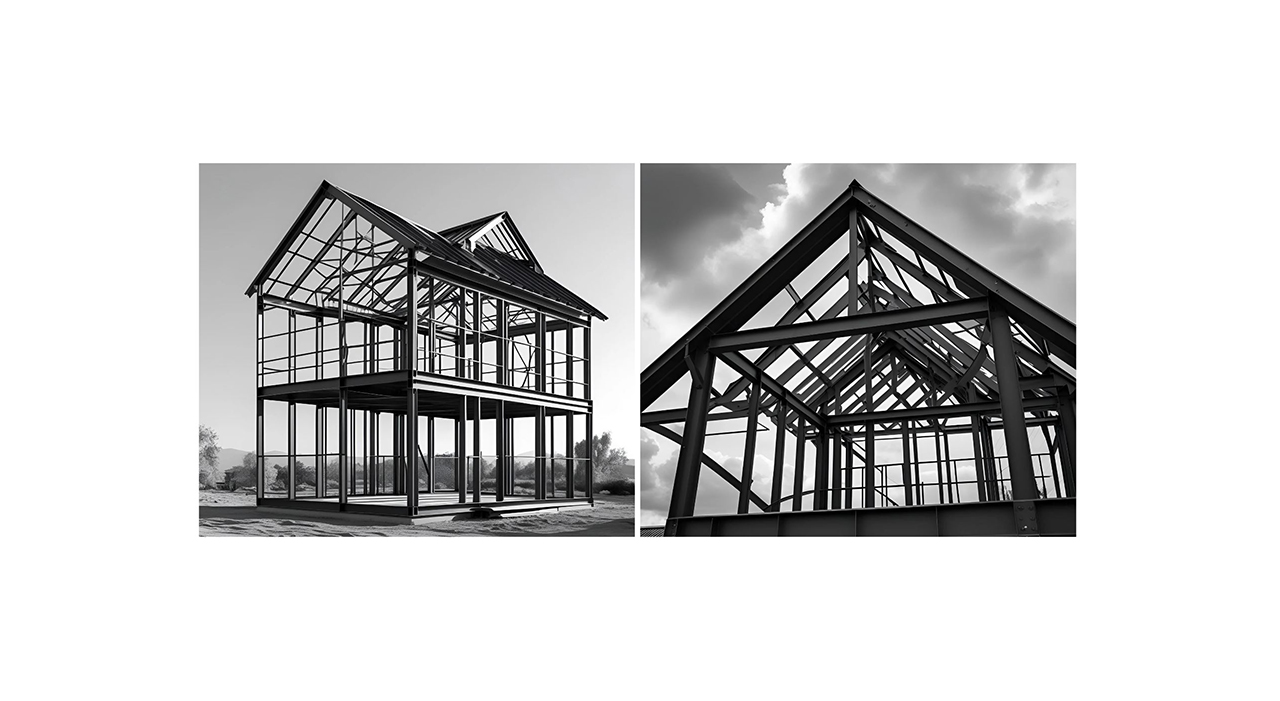
Steel structures, also known as steel frames, have gained popularity thanks to prefabricated homes. They are ideal for high-rise buildings and innovative designs, as they offer safety and speed in project execution due to their lightness, strength, and flexibility.
Steel is used to form the skeleton of the building, complemented by materials such as glass or brick. This system is particularly suited to the modern and minimalist style.
An important aspect to consider is the speed with which this material allows project execution to progress. The steel structure is prefabricated in the workshop, while foundation work is carried out on-site. It is then transported to the construction site and, since it requires no drying time, can be assembled immediately without problems.
However, steel structures also present certain challenges, so it is essential to apply an appropriate anti-corrosion treatment before assembly. Furthermore, in the event of a fire, the structure can be damaged, although there are special paints that extend its fire resistance. Finally, it is essential to ensure proper maintenance of these structures, which represents an additional expense to consider.