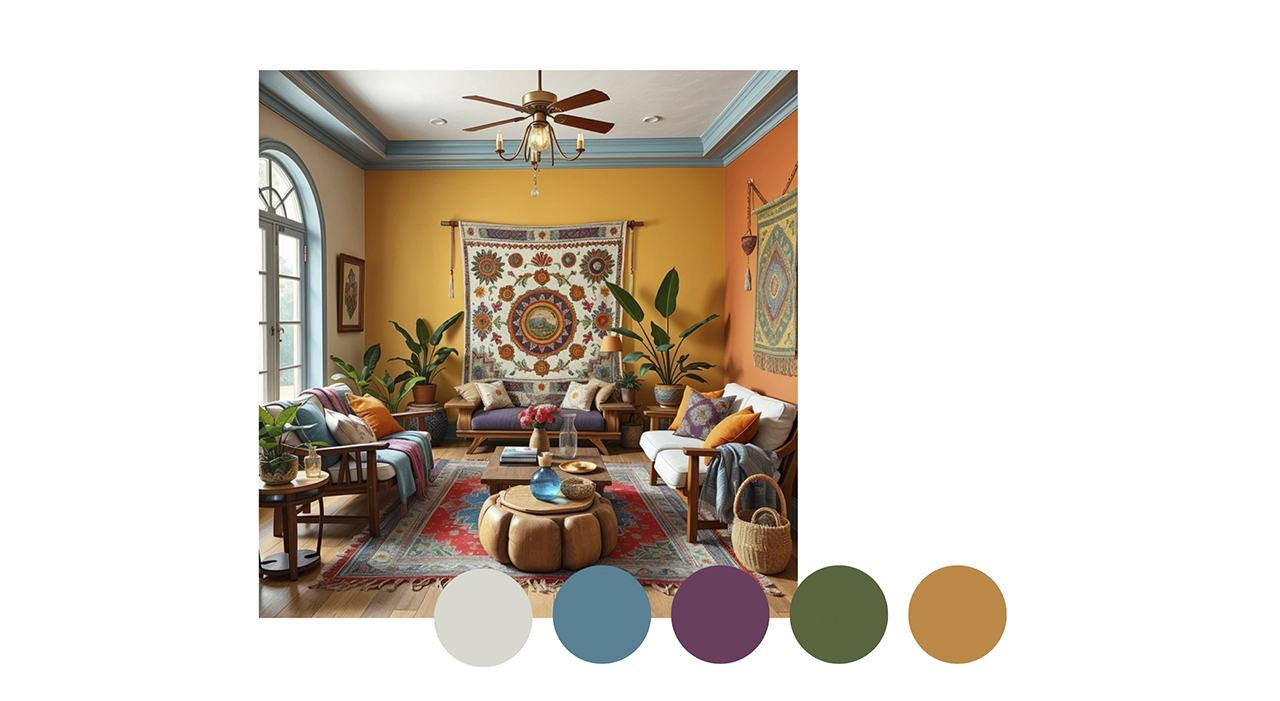
The 7 Most Popular Interior Design Styles
Have you ever wondered what style your home has or which one you’d like to adopt? Over time, interior design has evolved significantly, giving rise to a wide variety of styles that respond to each person’s preferences and needs. Currently, the world of interior design is constantly changing, incorporating new trends and concepts that make choosing the right style increasingly complex.
Therefore, we’ve compiled information on today’s most popular and in-demand styles, providing you with a guide to recognizing them and applying them to your home.
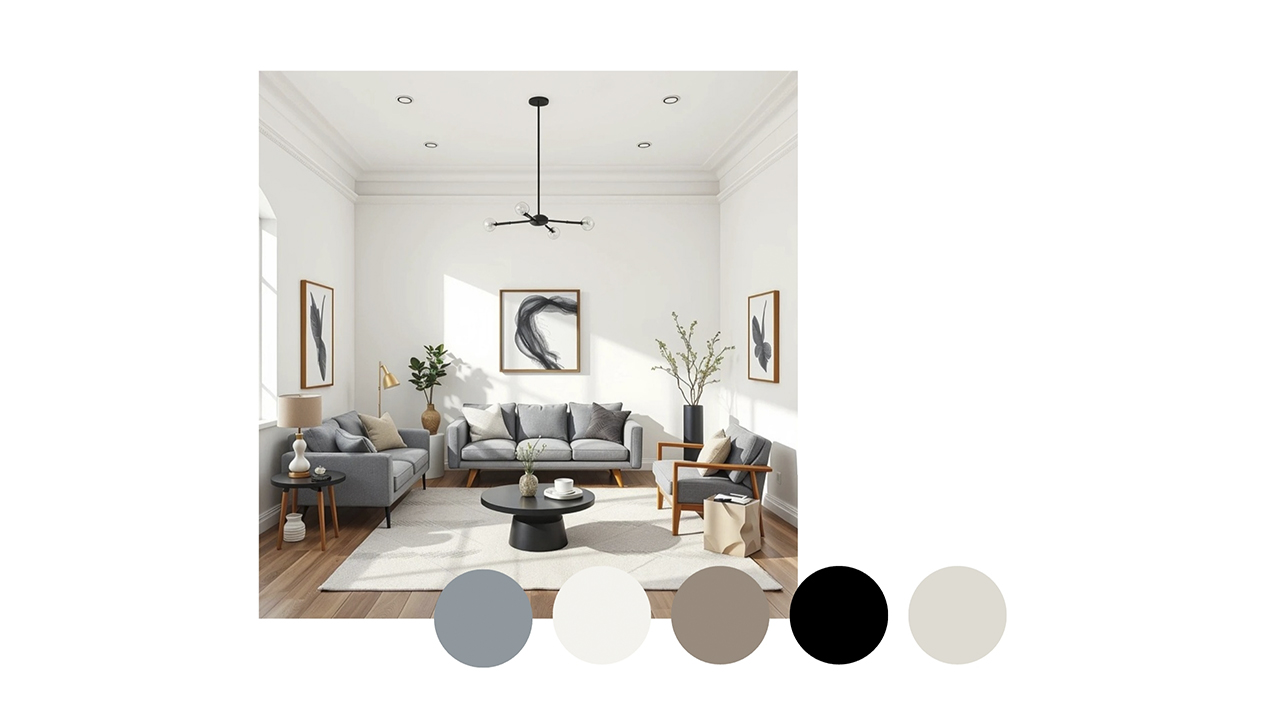
Minimalism: The Essence of Simplicity
Minimalism emerged in New York in the 1960s and quickly became a key trend in interior design. Inspired by the motto “less is more,” this style prioritizes functionality and spaciousness, eliminating unnecessary decorative elements.
Despite its apparent simplicity, decorating with a minimalist approach requires detailed planning, as achieving uncluttered spaces without feeling empty is a challenge in itself. This style is ideal for those seeking tranquility and order, creating serene and harmonious spaces.
Its main characteristics are:
-
Neutral colors: Whites, grays, and blacks dominate the design, generating a sense of spaciousness and light. Small color accents can be added to bring dynamism to the decor.
-
Quality materials: Elements such as wood, glass, cement, and metal are used, ensuring durability and elegance. Additionally, natural fabrics such as linen and cotton with plain prints are key to giving the space uniformity.
-
Natural lighting: Large windows are used to maximize light, complemented by subtle artificial lighting.
-
Furniture with simple lines: Pure shapes and functional designs predominate, including multifunctional pieces to maintain order. Accessories are few but well-chosen, such as a plant or sculpture. – Order and structure: Organization is essential in this style, otherwise, the beauty of the decor would be lost.
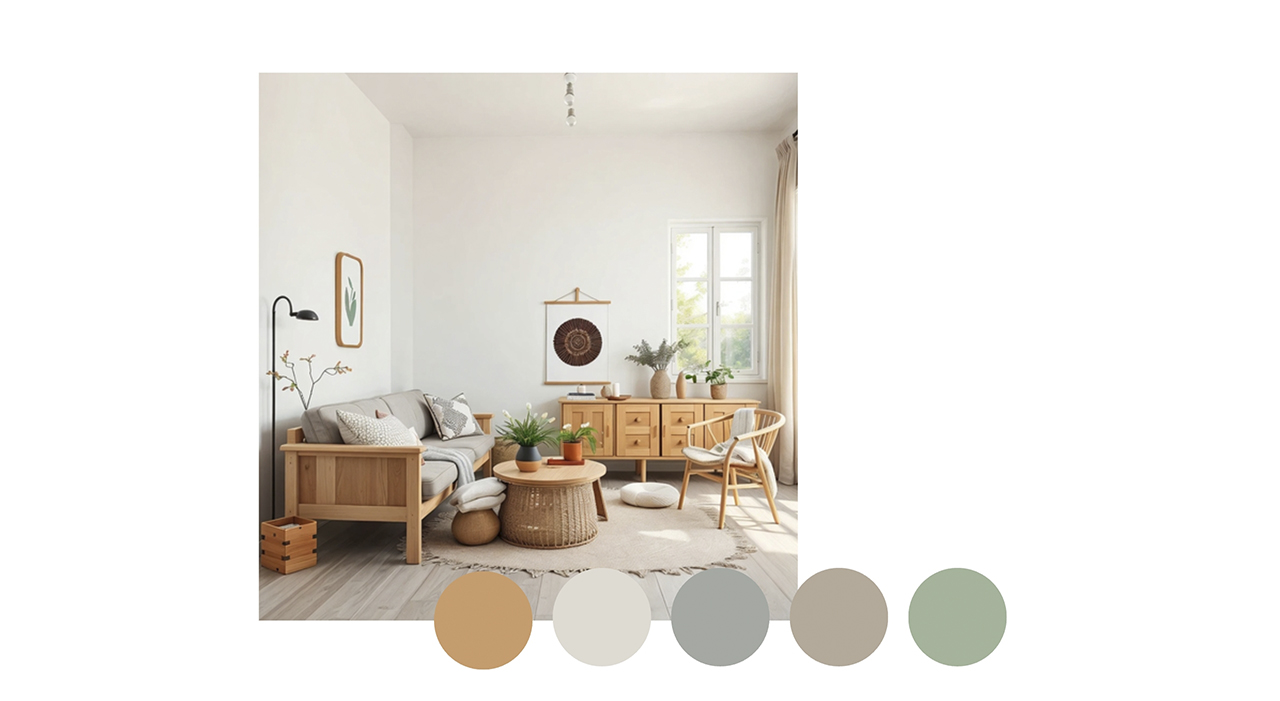
Nordic Style: Connection with Nature
Originating in Scandinavian countries in the early 20th century, the Nordic style is characterized by its functionality, simplicity, and connection with nature. Its philosophy is based on creating cozy environments that promote well-being, taking as a reference the Danish concept of *Hygge*, which seeks comfort and warmth in spaces.
Although it shares certain similarities with minimalism, the Nordic style incorporates more decorative elements and a greater presence of natural materials such as wood and cotton.
The features that can define this style are:
- Use of light wood: Furniture and coverings in shades of fir or pine provide light and warmth. It is used in furniture as well as in finishes, such as ceilings, walls, or windows.
- Soft color palette: Whites, beiges, grays, and pastel tones create a relaxing and cozy atmosphere. – Warm natural and artificial lighting: Large windows and light curtains are used to take advantage of natural light, complemented by warm lamps.
- Ergonomic and functional furniture: The pieces have simple designs, but are designed with comfort in mind.
- Natural elements: Plants and flowers play a key role, bringing freshness and life to the environment.
- Natural materials: Ceramics and organic textiles such as linen and wool reinforce the connection with nature.
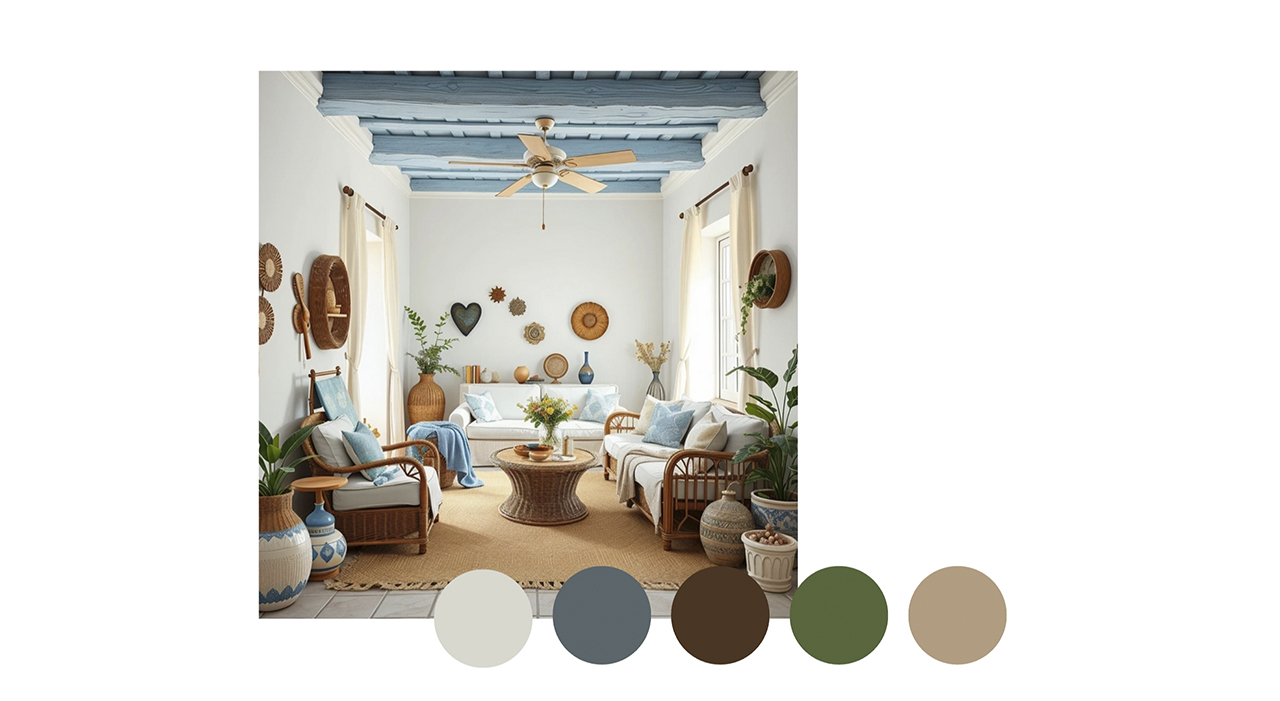
Mediterranean Style: Relaxed and Fresh Atmosphere
Inspired by Southern European homes, the Mediterranean style stands out for its luminosity and welcoming design. It is common in warmer areas and promotes a relaxed lifestyle, integrating outdoor spaces such as terraces, patios, and gardens.
Its key elements include wood, vibrant colors, and craftsmanship, creating a traditional yet fresh decor.
Some of its defining characteristics are:
- Natural colors: Whites and blues evoke the sea, while earthy and beige tones provide warmth.
- Craftsmanship and rustic materials: Ceramics, wicker, and wrought iron stand out in furniture and accessories.
- Use of tiles: They are an iconic element of this style, adding artistic details to floors and walls.
- Abundant vegetation: Aromatic plants and herbs, in addition to decorative elements, can be used in the kitchen.
- Light and natural textiles: Linen and cotton curtains and rugs contribute to the freshness of the space.
Rustic Style: Warmth and Tradition
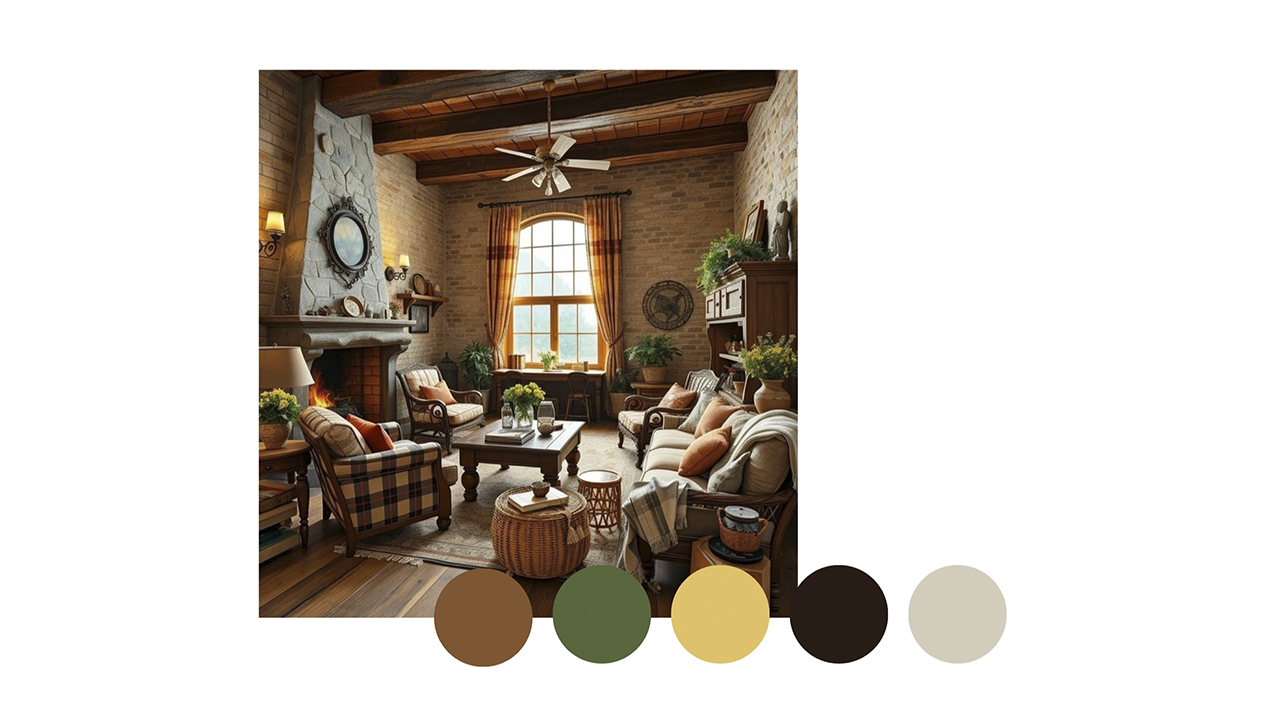
The rustic style is synonymous with warmth and homey charm. Inspired by country living, this design seeks beauty in simplicity and timelessness, connecting the home with nature.
This style began to gain popularity in Europe and North America in the 19th century, when families built their homes with natural materials available in the surrounding area. Over time, the rustic style evolved, adopting more refined touches without losing its traditional essence.
Main Characteristics: Its most representative features are:
- Simple and functional architecture: The homes are usually low-rise and feature a rustic aesthetic with wooden ceilings and exposed stone.
- Durable materials: Stone, exposed brick, wrought iron, and wood are used, all resistant to harsh climates.
- Wood plays a prominent role: It’s used on floors, walls, beams, and furniture, providing a cozy and warm feeling.
- Natural colors: Earthy tones, ecru, browns, and greens evoke nature.
- Decor with traditional elements: Fireplaces, thick rugs, heavy curtains, antique tableware, and rustic utensils add a nostalgic touch.
- Use of natural fibers: Wool, cotton, wicker, leather, and clay are integrated into textiles and furniture.
- Robust and handcrafted furniture: Solid wood pieces with hand-carved details predominate.
- Classic prints: Floral motifs, tartan, and gingham add a cozy touch.
Industrial Style: Raw Beauty
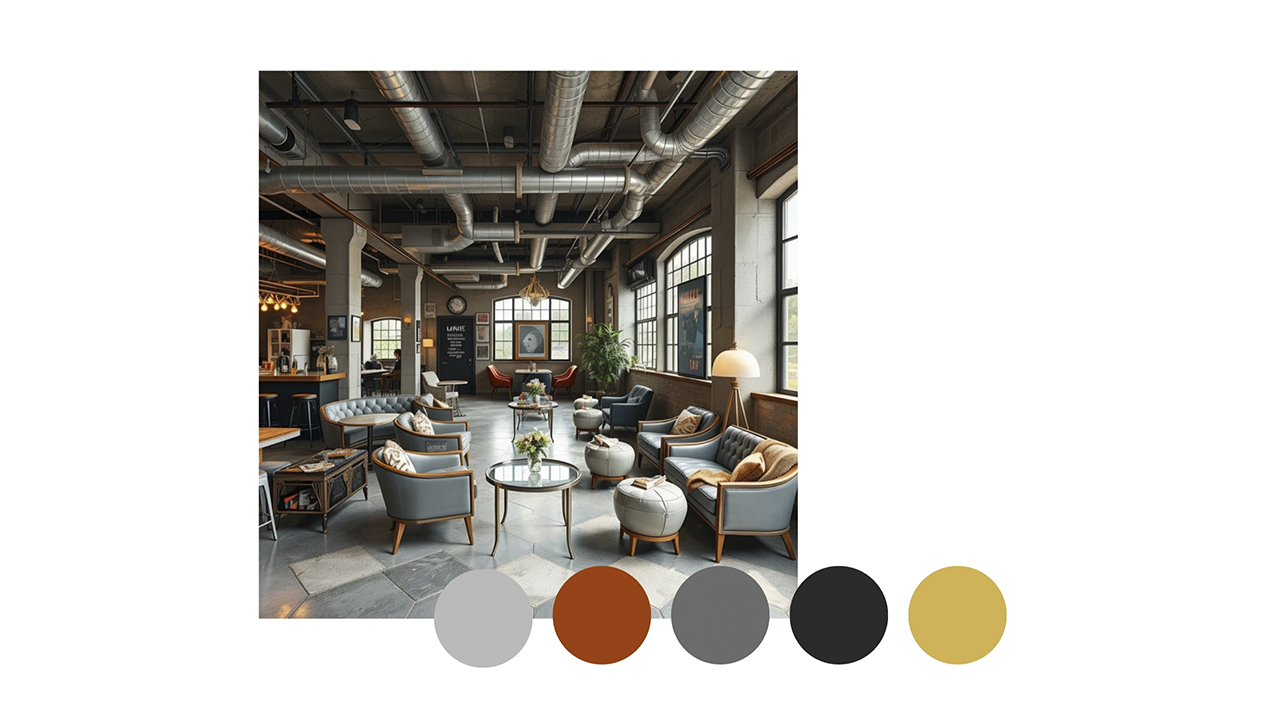
Inspired by industrial spaces such as warehouses and factories, the industrial style began its popularity in the middle of the last century. Strongly influenced by Art Deco, the industrial style follows an eclectic approach, where modern and antique blend to create unique and singular spaces.
Its main characteristic is the pursuit of beauty in the honesty of construction materials, revealing them as they are without the need to hide them as is generally done.
The most significant features of this style are:
- Exposed materials: Bricks, pipes, metal beams, and concrete are left exposed, creating an unfinished and avant-garde aesthetic.
- Neutral color palette: Grays, blacks, whites, and metallic tones dominate the environment.
- Open spaces and high ceilings: Open-plan rooms are favored for a feeling of spaciousness.
- Furniture with metal structures: Cabinets, shelves, and tables incorporate iron, steel, and glass.
- Vintage elements: Retro-style lamps, antique machinery, and recycled signs add character.
- Plants as a contrast: These are used to soften the cold aesthetic and bring life.
VINTAGE STYLE: Old-Fashioned Charm with a Modern Twist
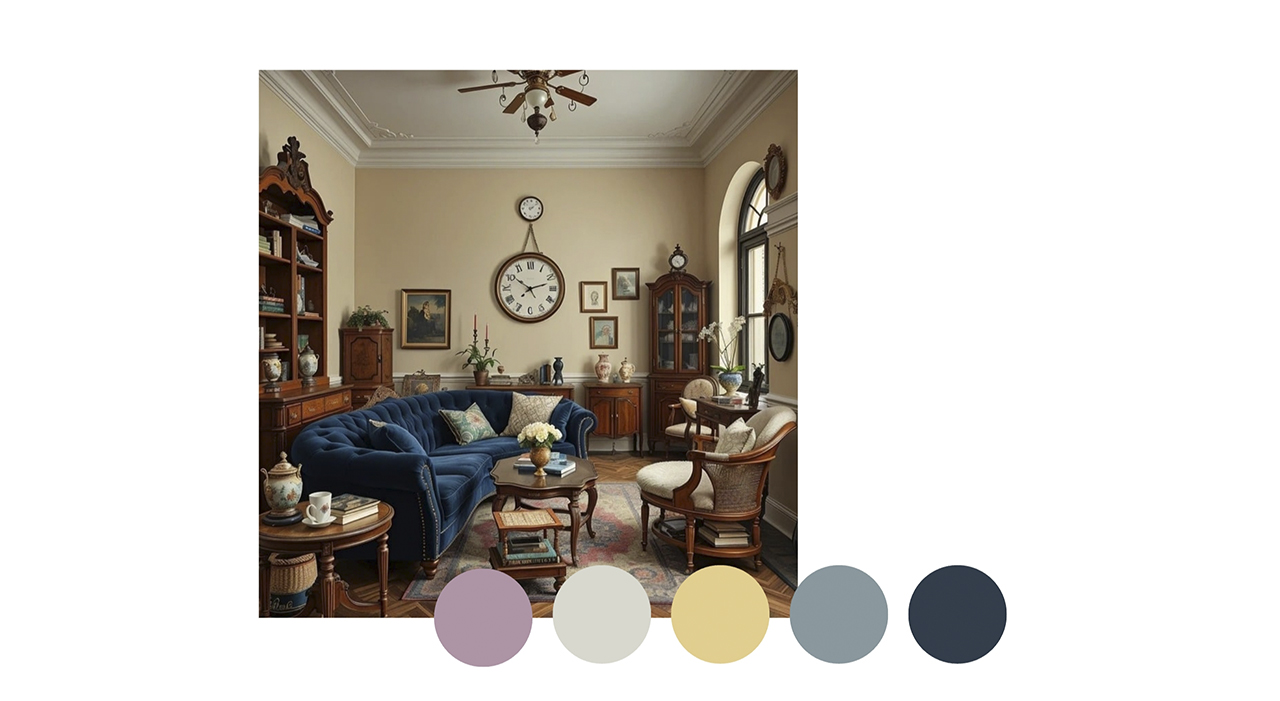
In the mid-20th century, this style emerged as a response to the modernization of design, harmoniously integrating antique pieces to preserve their beauty without becoming outdated. Vintage style recaptures the nostalgia of bygone eras, fusing the classic with the contemporary in elegant, historic spaces.
Its main characteristics include:
- Soft, muted colors: Browns, grays, pastels, and khaki greens dominate, although vibrant touches can be included.
- Traditional materials: Wood, antiqued metals such as brass and chrome, glass, and ceramics.
- Geometric and colorful prints: Used in upholstery and walls.
- Classic fabrics: Velvet, corduroy, and bouclé provide texture and sophistication.
- Retro decor: Antique clocks, books, figurines, vintage lamps, and porcelain add personality and soul to the home.
Bohemian Style: Freedom, Art, and Nature
Bohemian style, born in the 19th century in France, gained momentum in the 1960s and 1970s with the hippie movement, evolving into the current Boho style.
Boho style is inspired by a free, artistic, and eclectic lifestyle. Over the years, it has incorporated ethnic, vintage, and romantic elements, achieving a relaxed aesthetic full of personality.
Some of its most characteristic features are:
- A mix of natural textures such as wood, wicker, cotton, or linen.
- Eye-catching prints: Geometric, ethnic, and floral patterns add dynamism.
- Varied furniture: Furniture from different eras, cultures, and styles is combined.
- Handicrafts take on a significant role in this style, as it is filled with decorative elements such as tapestries and pendants made of macramé and beads.
- Warm color palette: browns, greens, and beiges with vibrant touches of blue, purple, and orange.
- Use plants throughout the rooms, both on the floor and hanging, to add a touch of color and naturalness to the home.