Prefabricated houses? Here’s what you need to know
If you’re considering building a prefabricated house, it’s perfectly normal to have many questions at first. What type of land can I build on? What permits do I need? Are all prefabricated houses the same? What are the differences compared to a traditional home? In this article, we’ll cover the most important aspects you should consider before embarking on this type of project.
Where can I build a prefabricated house?
Land in Spain is classified into three types: urban, developable, and rural, according to the Land and Urban Rehabilitation Law. Like traditional construction, prefabricated houses generally must be built on urban land, as this type of land has all the necessary permits, access, and utilities, such as electricity and water.
Can you build on rural land?
Generally, building homes on this type of land is not permitted, as it is designated for agricultural, livestock, or forestry uses. However, there are exceptions that vary depending on the autonomous community. In some cases, construction is allowed if the dwelling is linked to an agricultural or livestock operation, or if it is rural tourist accommodation or non-residential auxiliary buildings. Even so, these exceptions are infrequent and require complex procedures.
Choosing the right land depends not only on its legal classification but also on personal and technical factors. Location, available budget, sun exposure, topography, setbacks (minimum distances from property lines), accessibility, and local urban planning regulations are key elements that influence the design, cost, and feasibility of the project.
For example, a steeply sloping plot will require a more complex foundation, which can increase the cost of construction. Similarly, a plot of land in an area with urban planning restrictions may limit the type of housing that can be built or impose specific conditions on materials, heights or aesthetics.
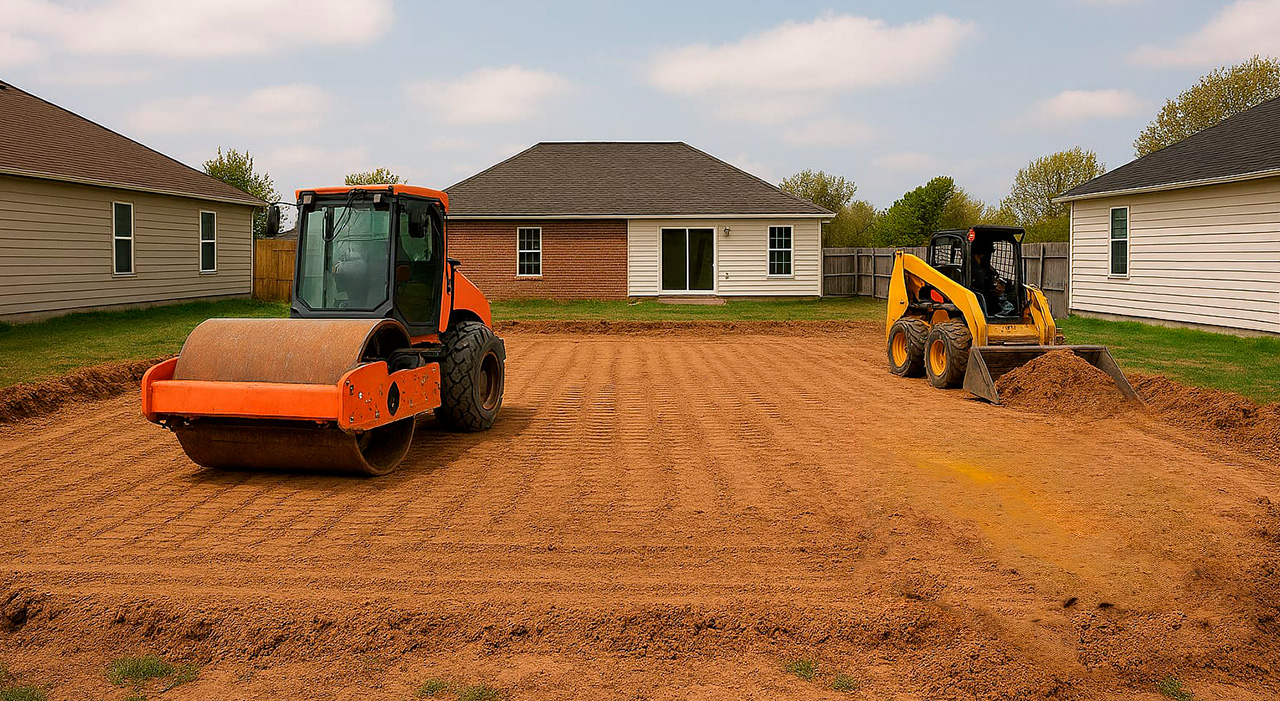
Do you already own a plot of land? Here’s what you need to check
If you already own a plot of land, the first step is to verify its zoning status. To do this, you must go to the corresponding town hall and request a zoning report. This document will tell you if the land is buildable, what types of construction are permitted, the maximum buildable area, building lines, heights, land use, etc.
It’s important to remember that prefabricated houses, even though they are built in a factory and assembled on the land, have the same legal status as a traditional house. Therefore, they are subject to the Building Regulations Law and the Technical Building Code . This means they must comply with the same technical, safety, habitability, and energy efficiency requirements.
Procedures and permits required to build a prefabricated house
Once it has been confirmed that the land is suitable for building, you will need to begin a series of administrative and technical procedures. These are the main ones:
- Building permit: This is the municipal permit that authorizes the start of construction. It is essential to begin any work on the plot. If the property is to be used for tourist accommodation, a business license will also be required.
- Basic and detailed design plans: Prepared by a registered architect, this document outlines the design of the property, the materials, structural calculations, compliance with the Spanish Building Code (CTE), and local urban planning regulations. It is mandatory for applying for the building permit.
- Geotechnical and topographic survey: Even if the house is prefabricated, the land must be adapted to its characteristics. The geotechnical survey analyzes the soil’s resistance and composition, while the topographic survey defines the terrain’s geometry. Both are essential for designing a suitable foundation and ensuring the house’s stability.
- Energy Performance Certificate (EPC): Mandatory for all newly built homes, this certificate assesses the energy consumption and CO₂ emissions of the property, assigning it a rating from A (most efficient) to G (least efficient). It must be issued by a qualified technician before applying for the occupancy permit.
- First occupancy license and Certificate of habitability: Once construction is complete, these documents certify that the property meets the minimum safety, health, and habitability standards. They are also required to legally reside in the house and to contract for utilities.
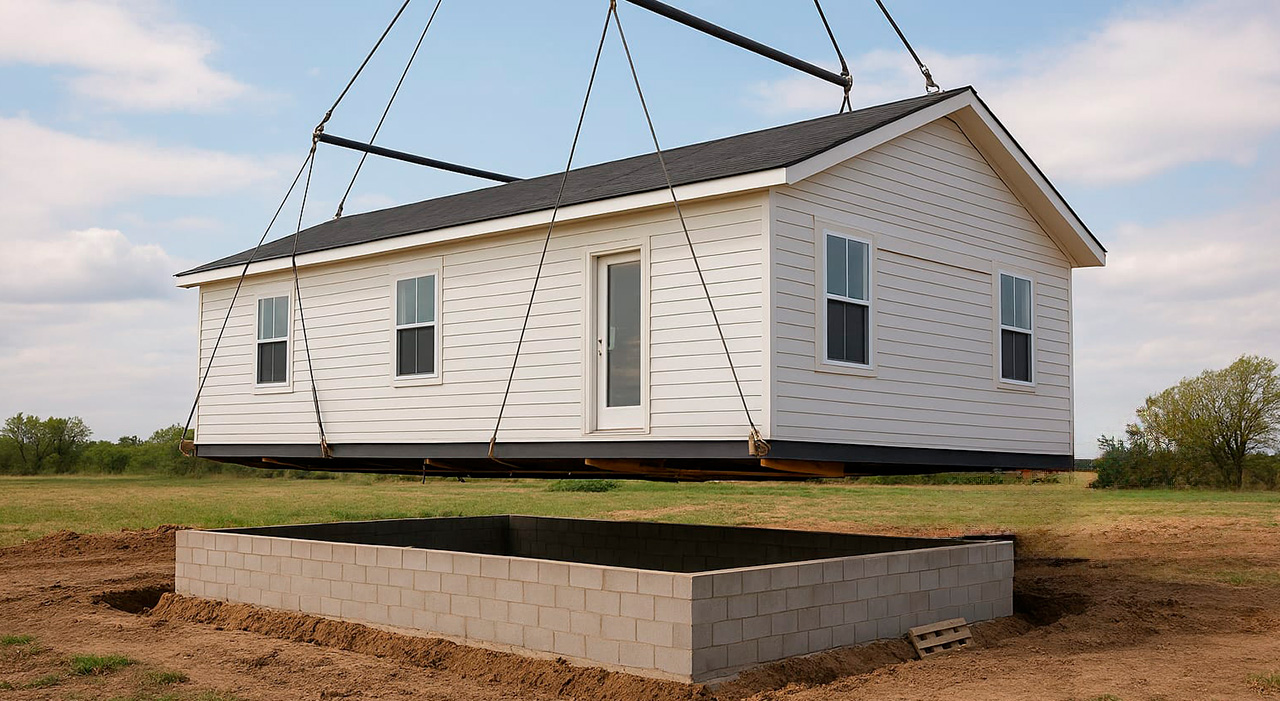
Building a prefabricated house in Spain is an increasingly attractive option due to its speed of construction, energy efficiency, and customization possibilities. However, it is not without legal, technical, and administrative requirements. From choosing the land to obtaining the occupancy permit, the process demands careful planning and compliance with current regulations. The key to success lies in being well-informed from the outset, working with qualified professionals, and not underestimating the importance of each step.