The importance of land in real estate decision-making
Land represents the fundamental pillar when assessing the possibilities available if you own a plot of land or if you want to acquire one. It is not just a physical space, but a resource whose usefulness and value depend directly on its urban planning classification and the current regulations that govern it. In this sense, understanding the legal nature of the land is key to avoiding surprises and making informed decisions that respond to individual or family needs.
Spain is an extraordinarily rich country in terms of landscape variety, making it an attractive place for those looking for a space to build, invest, or simply enjoy. However, not all land is available for residential or commercial use, as many of them are protected by strict environmental and planning regulations.
The legislation regulating land use is primarily contained in the state-level Land and Urban Redevelopment Law, which is supplemented by specific regional regulations that vary by community. This legislation establishes three broad categories of land: urban, developable, and non-developable (also known as rural).
Urban land
Urban land is integrated into the municipality’s urban development plan, which means it meets the legal requirements for construction. This type of land has access to basic services such as electricity, drinking water, a sewage system, and road access.
Despite generally being smaller than other land types and having higher prices, it has multiple advantages that make it an excellent option for those looking to build immediately or make a secure investment. These benefits include:
- Communication: Being located within urban centers, land has access to all types of essential services such as health centers, supermarkets, pharmacies, schools, public transportation, etc.
- Investment: These plots of land are likely to appreciate in value, especially if they are located in areas of growing demand.
- Permits: Urban land already has the necessary permits for building, which streamlines the process.
- Savings: By having access to infrastructure such as electricity and water, you don’t have to invest in them.
Urban land can be classified into two categories:
- Consolidated urban land: These plots already have all the necessary conditions for construction.
- Unconsolidated urban land: Urbanized plots that still lack some type of infrastructure necessary for all urban services, such as electricity or water connections, and therefore cannot yet be built on.
Developable land
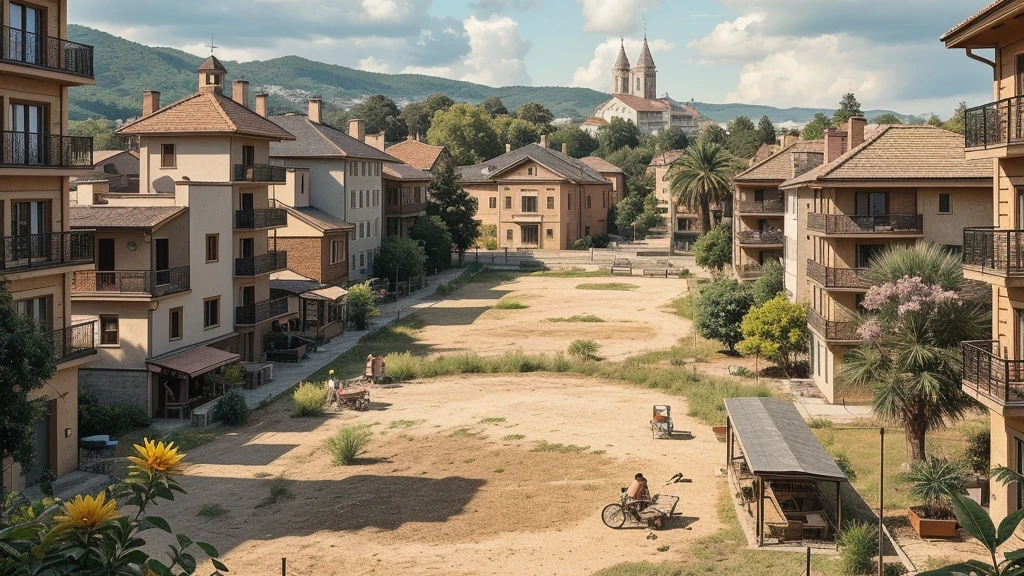
Developable land is land intended for the potential growth of a municipality’s urban core but not yet ready for construction. It is a midpoint between urban and rural plots, as it offers lower prices and a larger square meter footprint than urban plots, and is also close to the municipality’s urban core.
This land can be attractive due to:
- Competitive price: It is more economical than urban land.
- Development flexibility: It allows the project to be adapted to personal or family needs.
- Good location: It is usually close to urban areas, which represents an ideal combination of tranquility and convenience.
Developable land is divided into:
- Sectorized or delimited developable land: This land is included in the municipal urban plan, with a planned transformation in the short or medium term. To qualify for this category, these plots must have access to essential services and communication routes.
- Unsectored or undefined developable land: Land that has not yet been included in the short-term urban development plan, but may be included in the future.
Non-developable or rural land
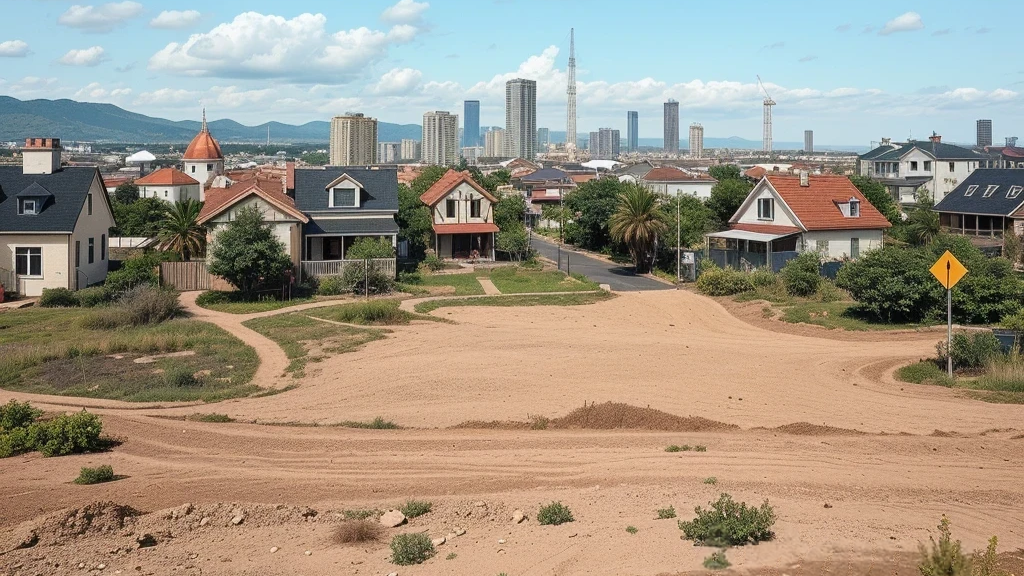
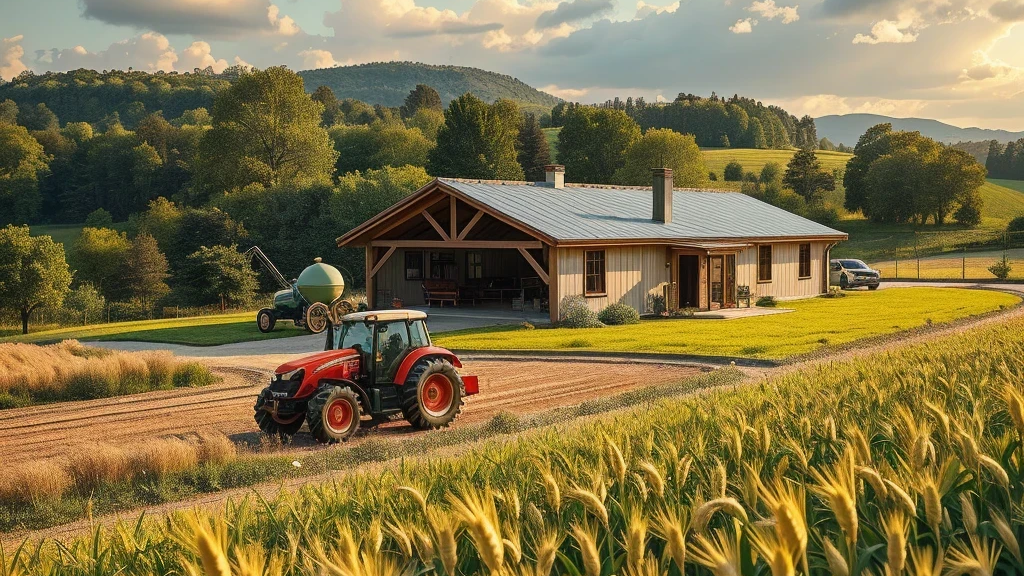
Non-developable or rural land is generally found in rural areas, so it tends to be larger in size. These plots are presented in the General Urban Development Plan as non-developable because they are designated for agricultural purposes or are protected for some reason. Building on these plots requires special permits, as they generally lack basic services or accessibility to roads.
On these plots, it is possible to develop them when the construction is related to the agricultural, livestock, or forestry operations of the property. This can also be done in the case of renovating existing homes in a state of disrepair or building campsites or rural accommodations, although this all depends on the community where the land is located.
Rural land is classified into two groups:
- Normal non-developable land: Land on which building is not permitted, although depending on the legislation in force in the community where the land is located, development may be considered if it is related to the operation of the plot.
- Protected non-developable land: Building on these plots is prohibited, as they are granted special protection by the general urban development plan. These are highly protected areas, such as natural areas like wetlands or forests, and land with architectural heritage value.
What happens if construction is carried out on non-developable land?
If a building has already been erected on non-developable land without the necessary permits, the construction becomes illegal. However, it is possible to legalize it, provided it meets certain technical and legal criteria.
To do so, it is essential to consult a competent architect or technician who will prepare a legalization report, certifying that the building meets the required safety and habitability conditions. This document must be submitted to the city council, which will assess the possibility of initiating legalization proceedings.
It is important to keep in mind that legalization is not always possible, especially if the land has some type of environmental protection or is located in an area with severe restrictions.