How to choose the ideal land to build your house: essential factors to consider
If you’re thinking about building your own home or any other building, choosing the right land is not only the first step, but also one of the most decisive. This choice sets the course for the entire project, requiring careful consideration and an evaluation of multiple factors, ranging from your personal needs to technical, legal, and economic aspects. Although it may seem like a simple task, it actually involves a complex analysis that must be carried out with time, discretion, and, preferably, professional advice.
In this article, we offer a detailed guide with the most important elements to consider when choosing the land that best suits you, your family, and your life plans.
Location and Accessibility
The location of the plot directly influences your quality of life. Do you prefer the tranquility of a rural area, surrounded by nature, or the dynamism offered by urban life? Both options are valid, but it’s essential to verify that the land is connected to main roads to facilitate your daily commute and to have essential services such as a health center, school, shops, pharmacies, etc. close to your home. This can positively impact your quality of life and comfort.
Furthermore, the safety of the area should be assessed. Research crime rates, and if the property is in a remote setting, consider easy access for emergency services. Just because your property is in a quiet area doesn’t mean you have to sacrifice accessibility or well-being.
Regulations and Legality
Before purchasing any land, find out about the urban planning regulations of the municipality where it is located. This information, available at the town hall or on its website, defines whether the land is urban, developable, non-developable, or protected, as well as the construction restrictions:
- Maximum height allowed
- Occupancy percentage
- Mandatory setbacks
- Type of housing allowed (detached, semi-detached, etc.)
Don’t forget to request the land deeds and check that it is free of mortgage encumbrances, easements, or legal disputes. Also, verify that it is correctly registered in the land registry and that the ownership matches the person making the sale.
Topography and Vegetation
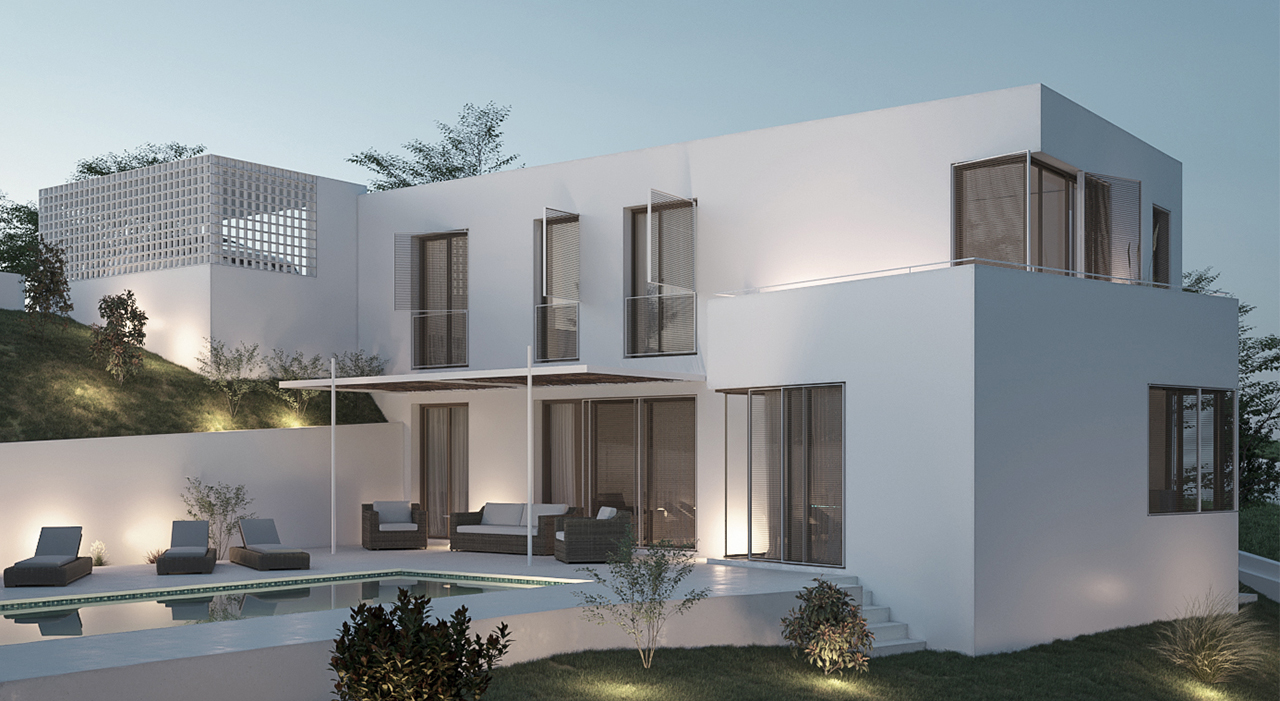
The ideal lot should not only appeal to you visually, but also fit your construction project. Flat lots with regular shapes—such as rectangles or squares—generally facilitate architectural design and reduce construction costs. On the other hand, sloping, uneven, or irregularly shaped lots may require:
- Retaining walls
- More exhaustive geotechnical studies
- Special foundations
- Additional earthworks
Conducting a geotechnical study prior to purchase will allow you to determine if the soil is clayey, rocky, sandy, or mixed, if it has excessive moisture, or if it is prone to subsidence. All of these aspects impact the stability and durability of your home.
Also, analyze the existing vegetation. Some trees are protected by environmental regulations and cannot be cut down without permission, which can alter your plans. Deep roots can also interfere with the foundation. And keep in mind that too much vegetation can limit sunlight, affecting both energy efficiency and interior comfort.
Orientation
The orientation of the site—and therefore of the future home—plays a key role in the use of sunlight, natural ventilation, and energy savings. It is best to have the longest side of the house facing south, as this will:
- Receive more hours of sunlight in winter
- Allow windows to open toward bright areas
- Reduce the need for heating
- Improve thermal comfort
On sloping land, a southerly slope will be even more favorable. Avoid orientations that expose your home to excessive wind or constant shade, especially if there are tall buildings or mountains nearby that could obstruct the entry of light.
In addition to all of the above, it is important to study the surrounding environment, analyzing the buildings surrounding it, as these can affect the home.
Infrastructure
A plot of land may seem ideal in terms of location and price, but if it’s not connected to basic services, development costs can skyrocket. Check if the land has access to:
- Electricity
- Drinking water
- Sewerage
- Natural gas (optional depending on the area)
- Fiber optics or internet
- Paving, lighting, and sidewalks
If the land doesn’t have all of these services, check with the city council about the cost of adding them. A well-connected plot facilitates building work, which reduces transportation costs for moving materials and machinery. Otherwise, it can make the land an economically unviable option.
Budget
The price of the land is only part of the overall cost of your project. You must also consider the costs of licenses, technical studies, construction, finishes, landscaping, and possible unforeseen events. Therefore, establishing a realistic budget is essential before starting any search.
The location, size, slope, soil type… everything influences the price of the land. It’s also important to keep in mind that cheap is often expensive, and you may find that a plot is cheaper but more expensive to build on, as it lacks basic infrastructure or is so complicated to build on that additional resources are required.
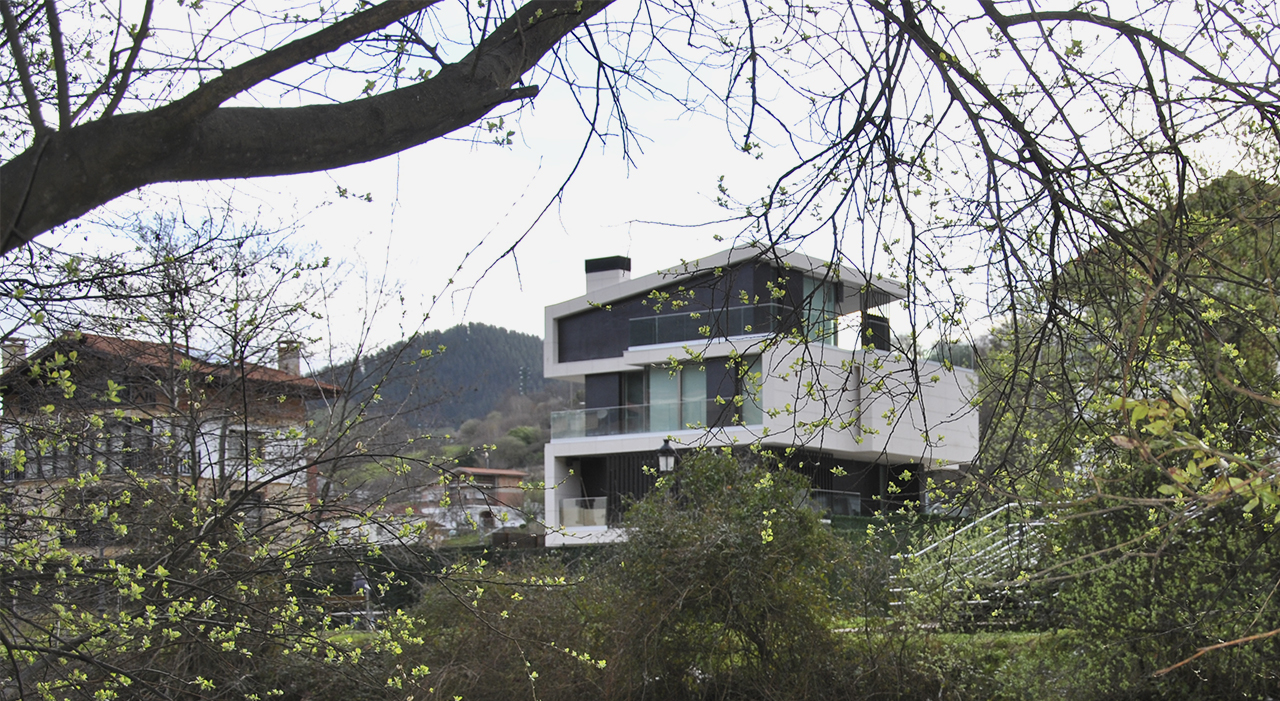
Comparing properties and seeking professional advice is the best option for finding the land that best suits you. It’s advisable to seek the help of industry professionals to assist you in your decision-making. An architect can assess the land’s real potential, perform design simulations, and estimate foundation and construction costs. A quantity surveyor or engineer can help you with technical studies and verify the land’s viability. You can also consult with real estate agents, notaries, and municipal technicians to ensure everything is in order and avoid unpleasant surprises after the purchase.
Building a house is more than just putting up walls: it’s building a future. Therefore, choosing the right land is essential. Take the time you need, compare options, ask questions, and, above all, visualize your project in that location. If you do this with your head and heart, you’ll be one step closer to living where you’ve always dreamed of.