Traditional Architecture in the Mena Valley
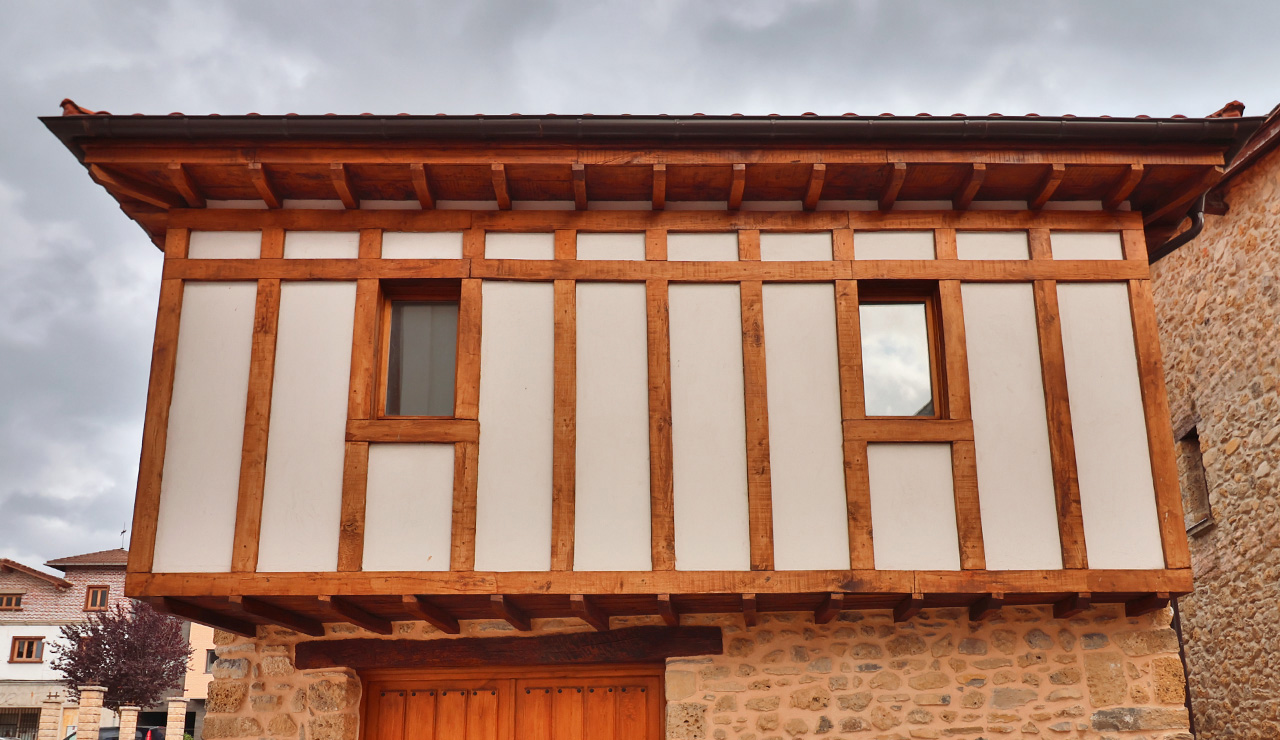
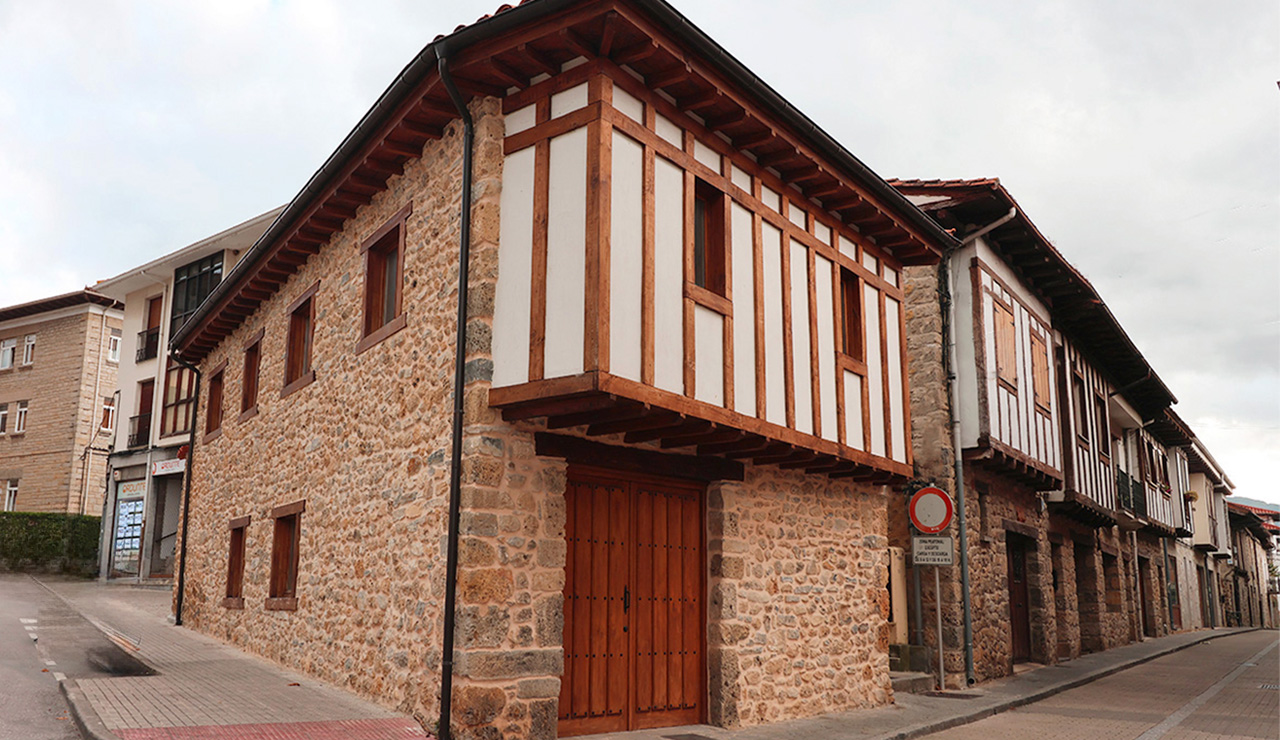
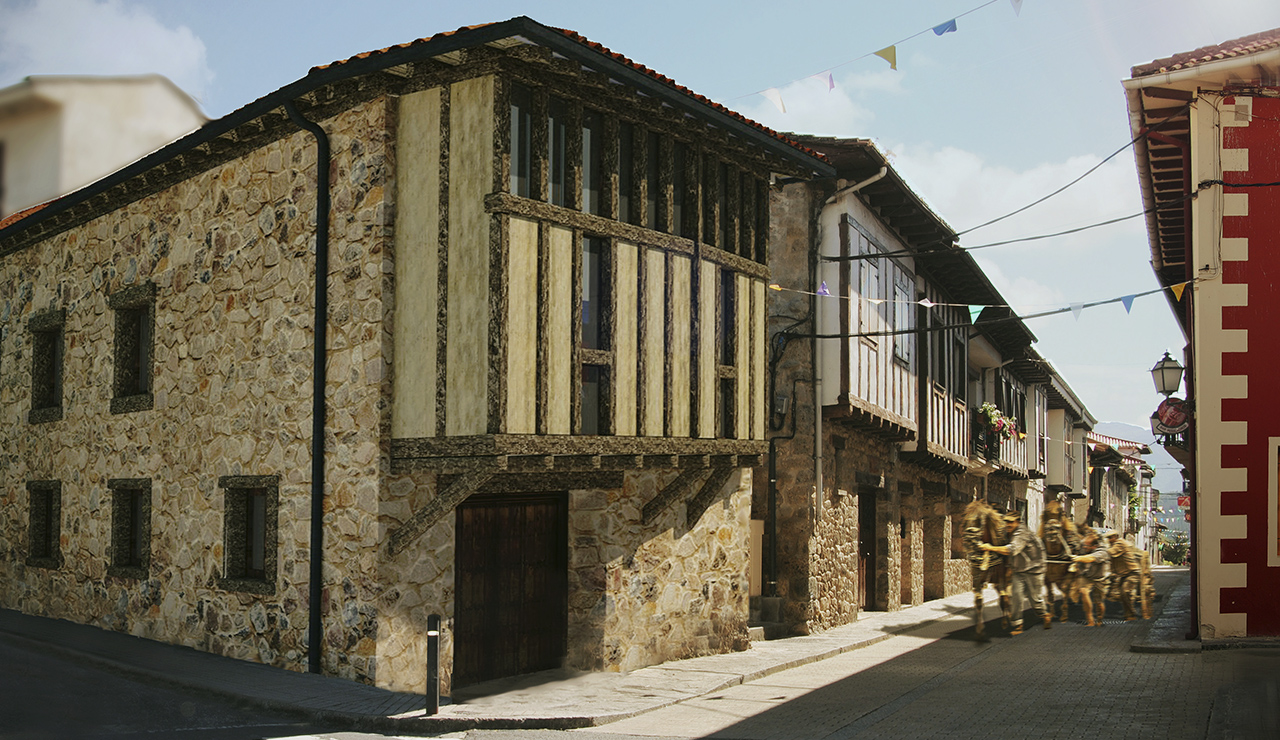
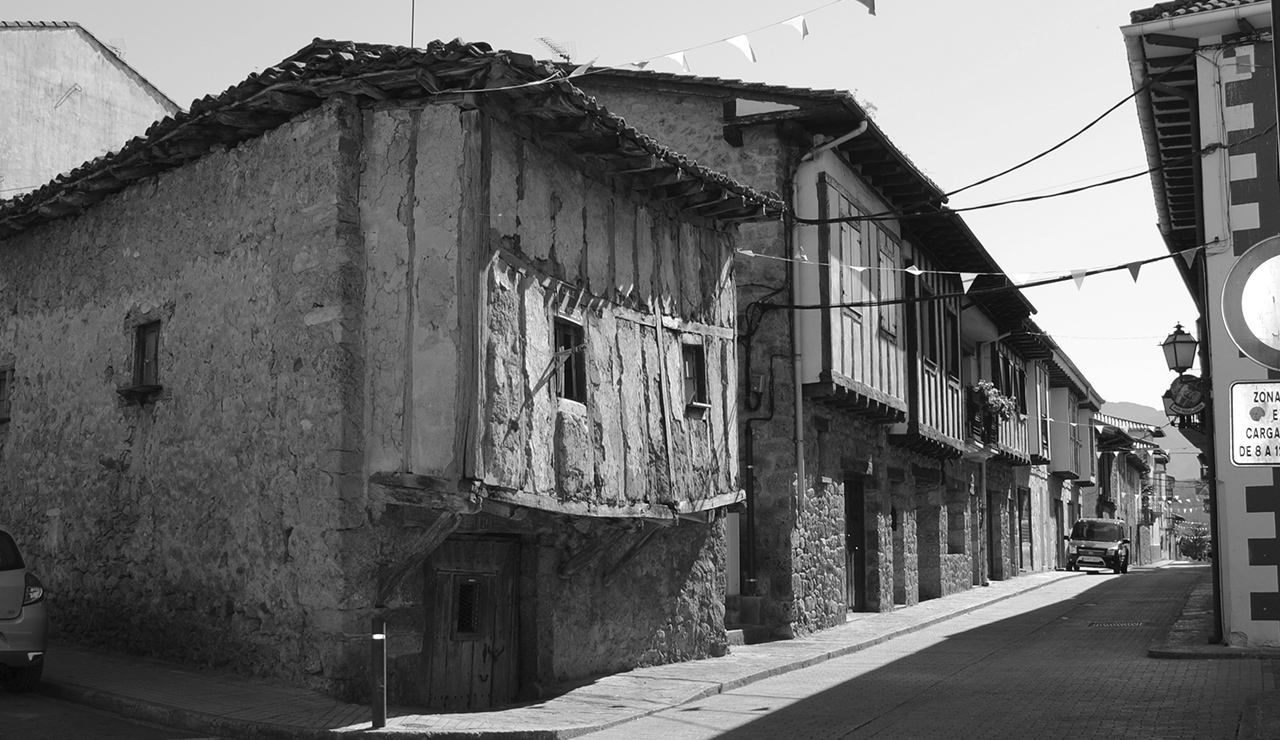
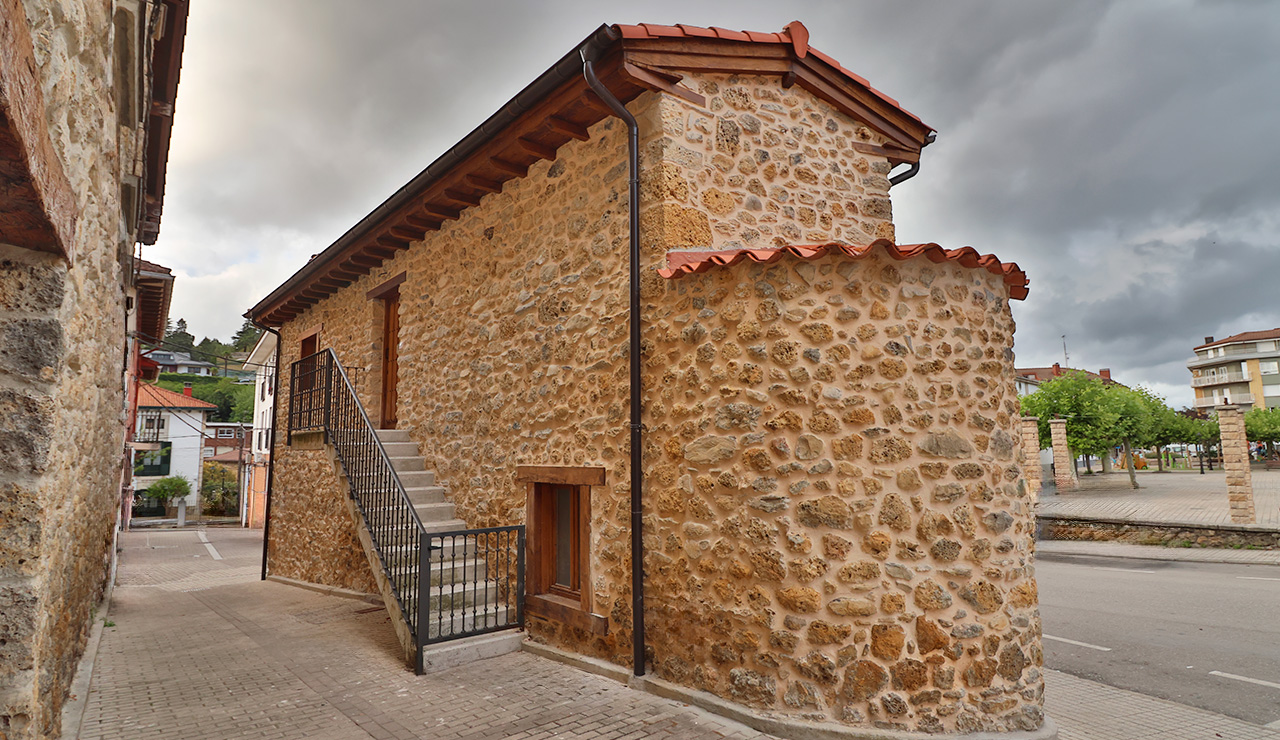
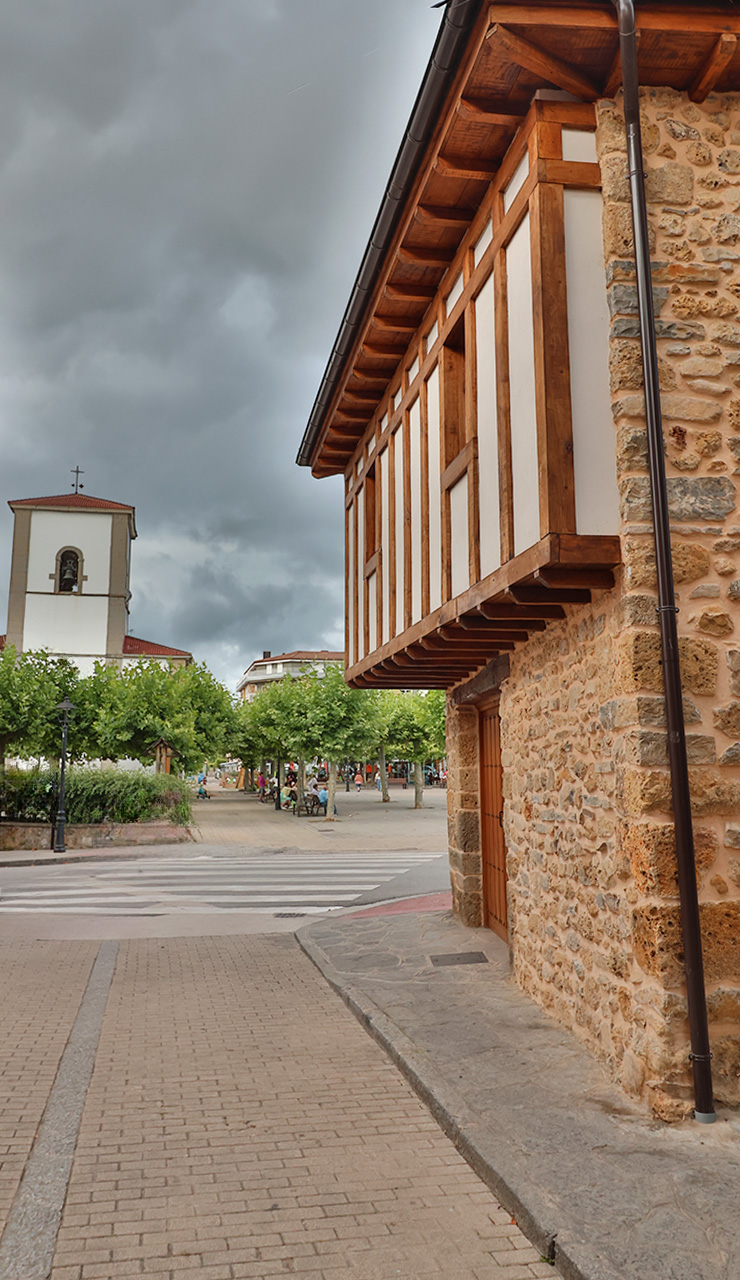
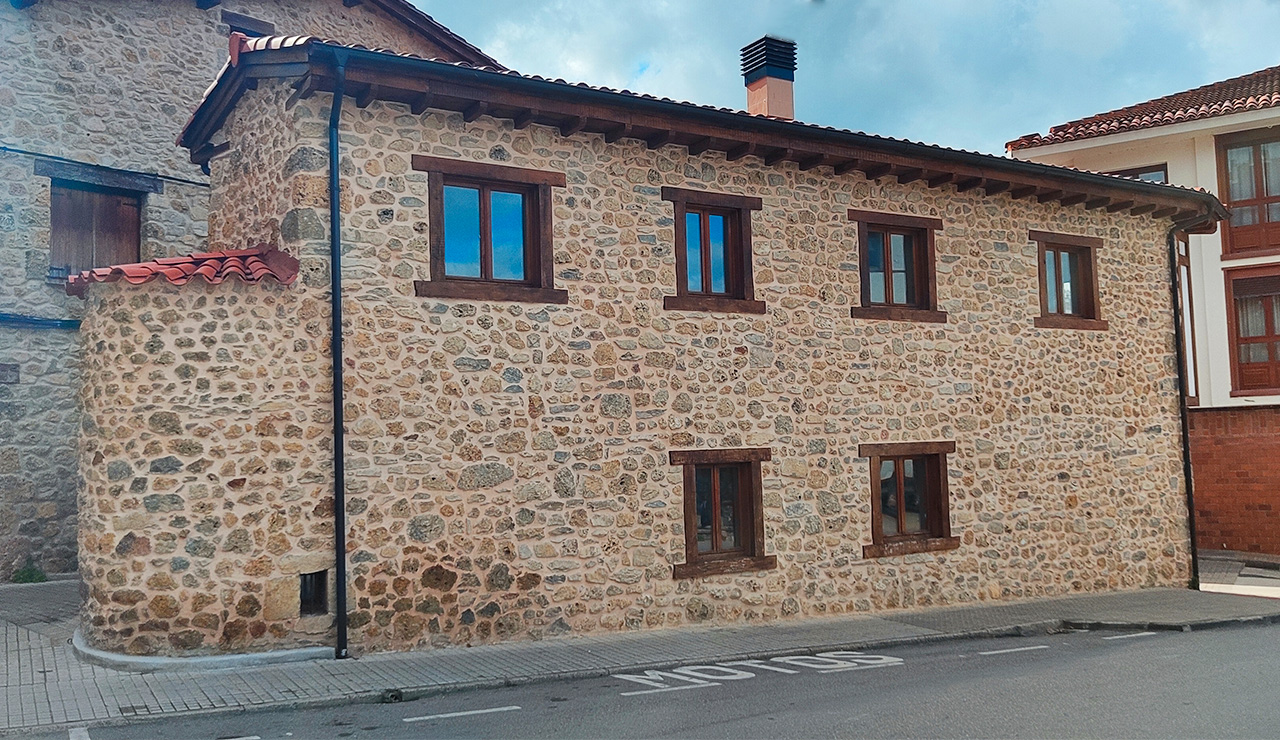
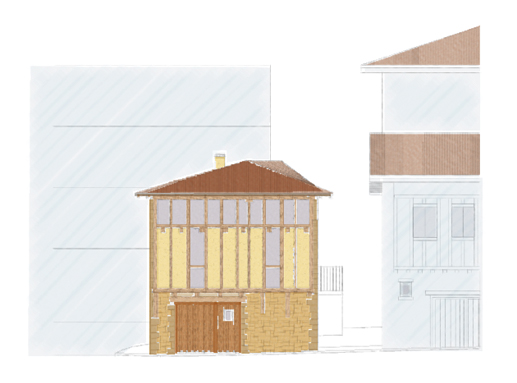
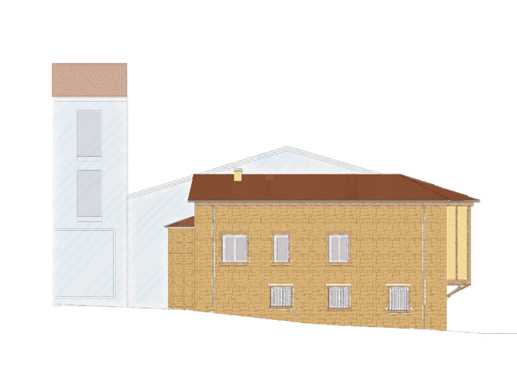
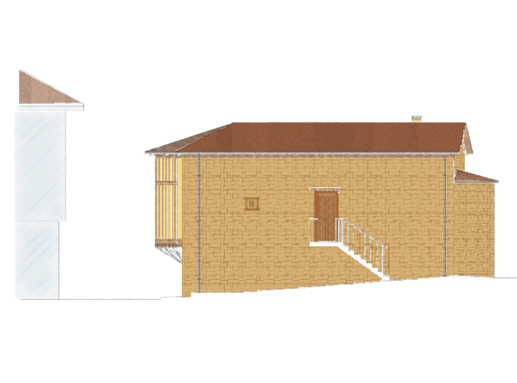
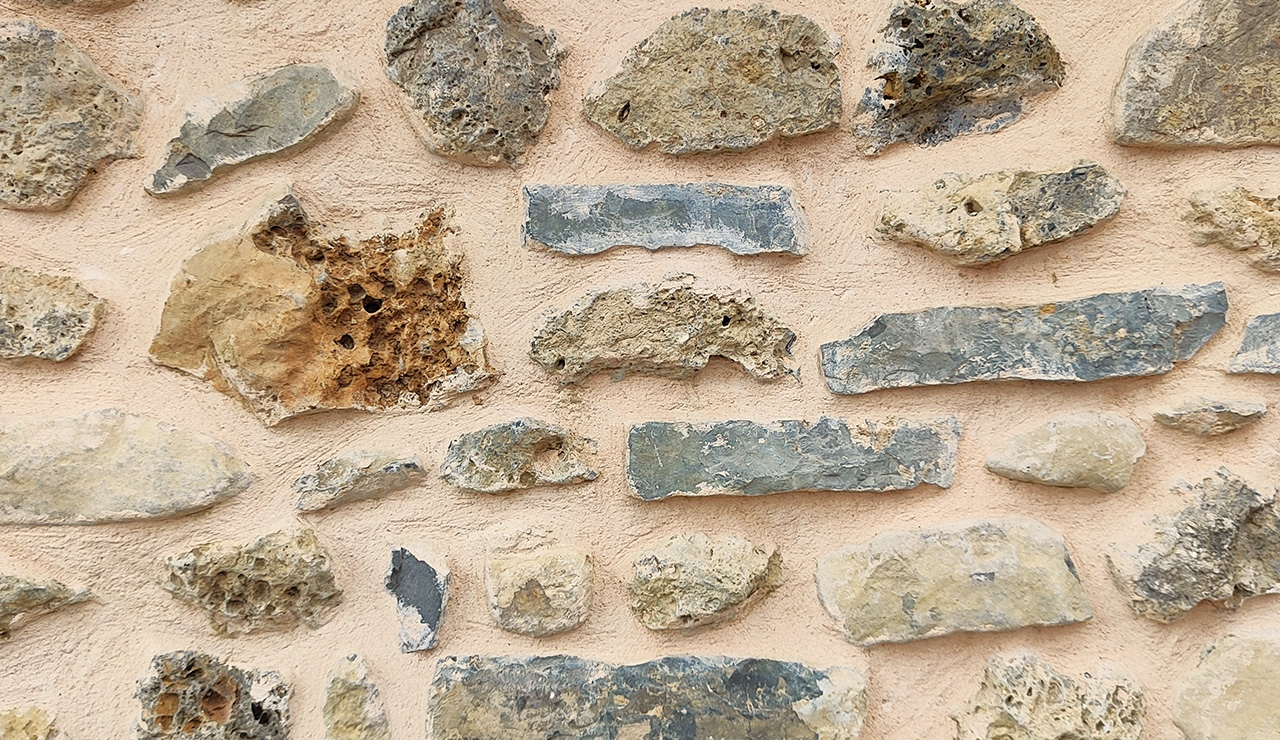
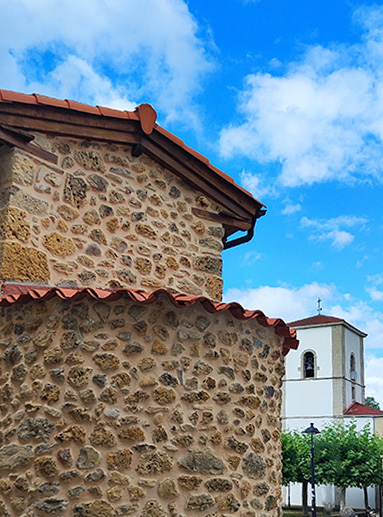
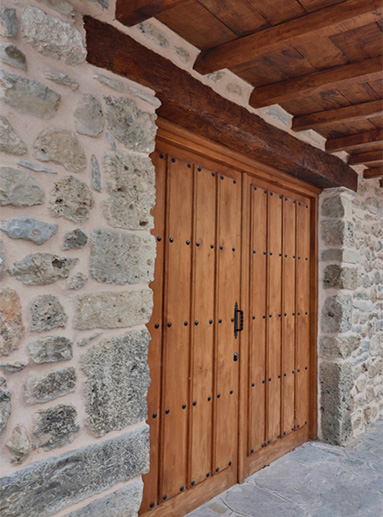
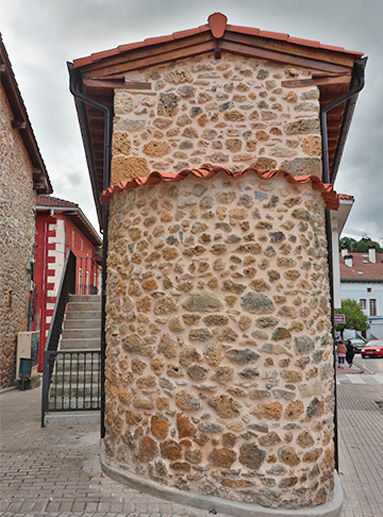
The house retains many of the typical elements of the area’s vernacular architecture. The ground floor is built of stone, providing solidity, durability, and insulation, while the upper floor uses timber framing, a common construction method in the region’s historic buildings.
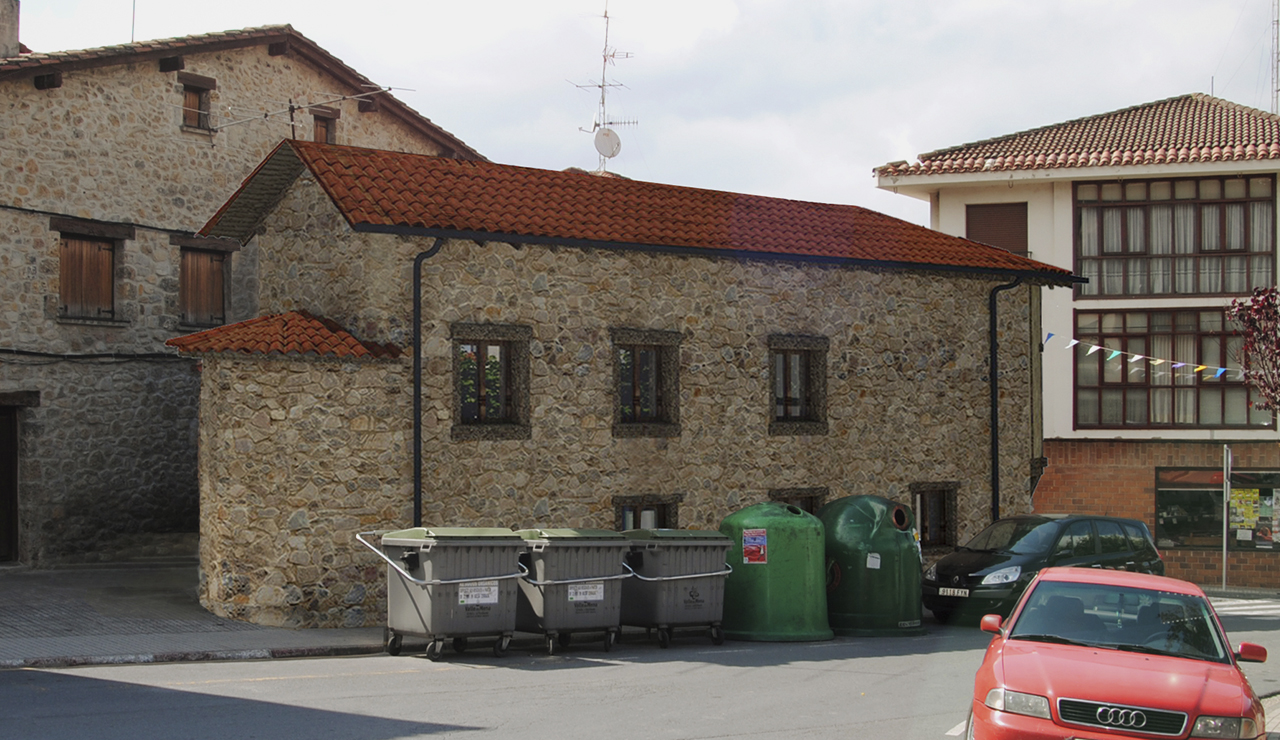
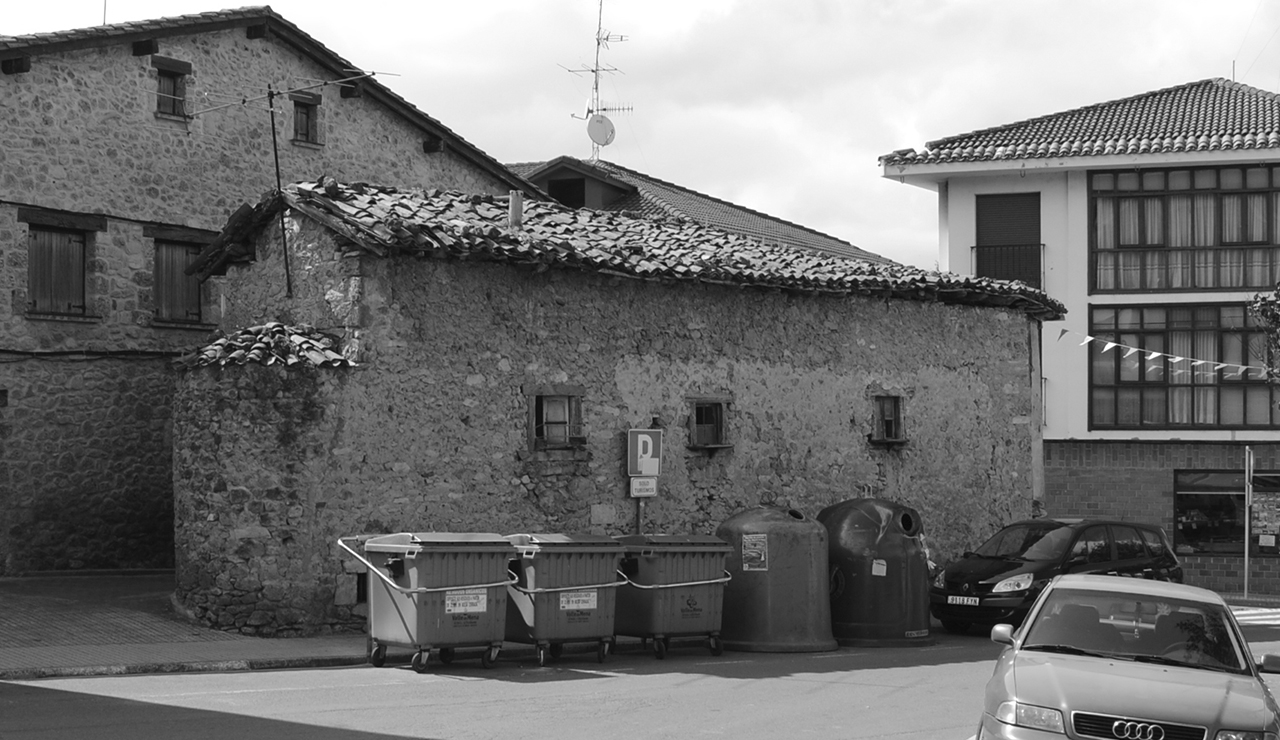
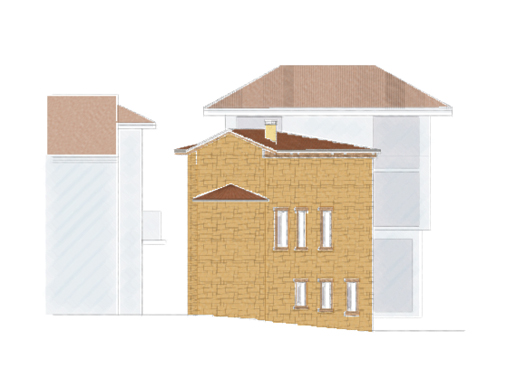
Originally, the upper floor housed the main living areas, while the ground floor was used for storage, stables, and other auxiliary purposes. The traditional oven preserved on the rear facade is another of the most outstanding heritage elements of the complex.
An emblematic building in Villasana de Mena
Located in the historic center of Villasana de Mena, the Casa Fuelle is part of an urban environment of great heritage value. The town, considered the main urban center of the Mena Valley, preserves an important collection of historic buildings that allow us to understand the architectural, social, and cultural evolution of the region over the centuries.
Along with emblematic buildings such as the Convent of Santa Ana, the Velasco Tower, and the Palace of Sancho Ortiz de Matienzo, the Casa Fuelle helps define the architectural identity of Villasana de Mena. Unlike other buildings of a noble or institutional nature, this house represents the traditional and domestic architecture of the area, becoming a valuable testament to the construction techniques, materials, and ways of living characteristic of the 14th and 15th centuries.
Its unique configuration, the preservation of original elements, and its integration within the historic urban fabric make the Casa Fuelle a fundamental piece of the architectural heritage of the Mena Valley. Therefore, its rehabilitation not only involves the recovery of a historic house, but also the preservation of an important part of the collective memory and cultural legacy of Villasana de Mena.