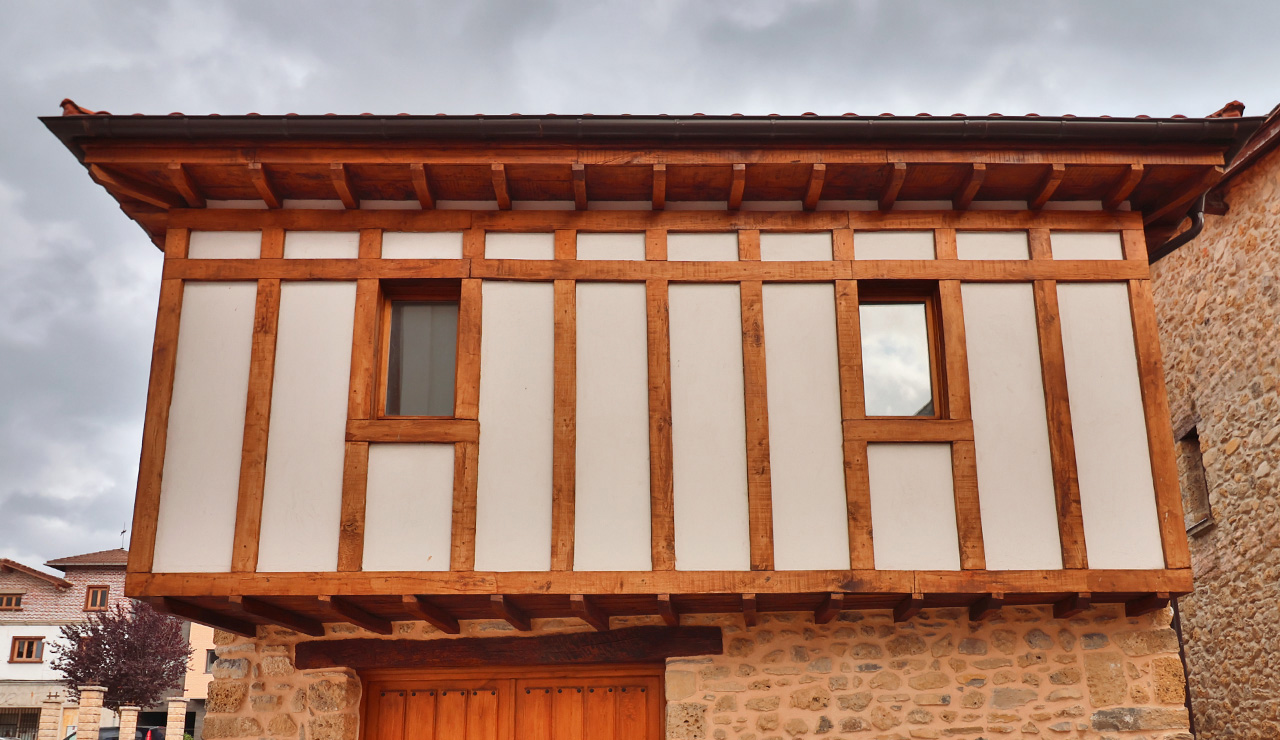
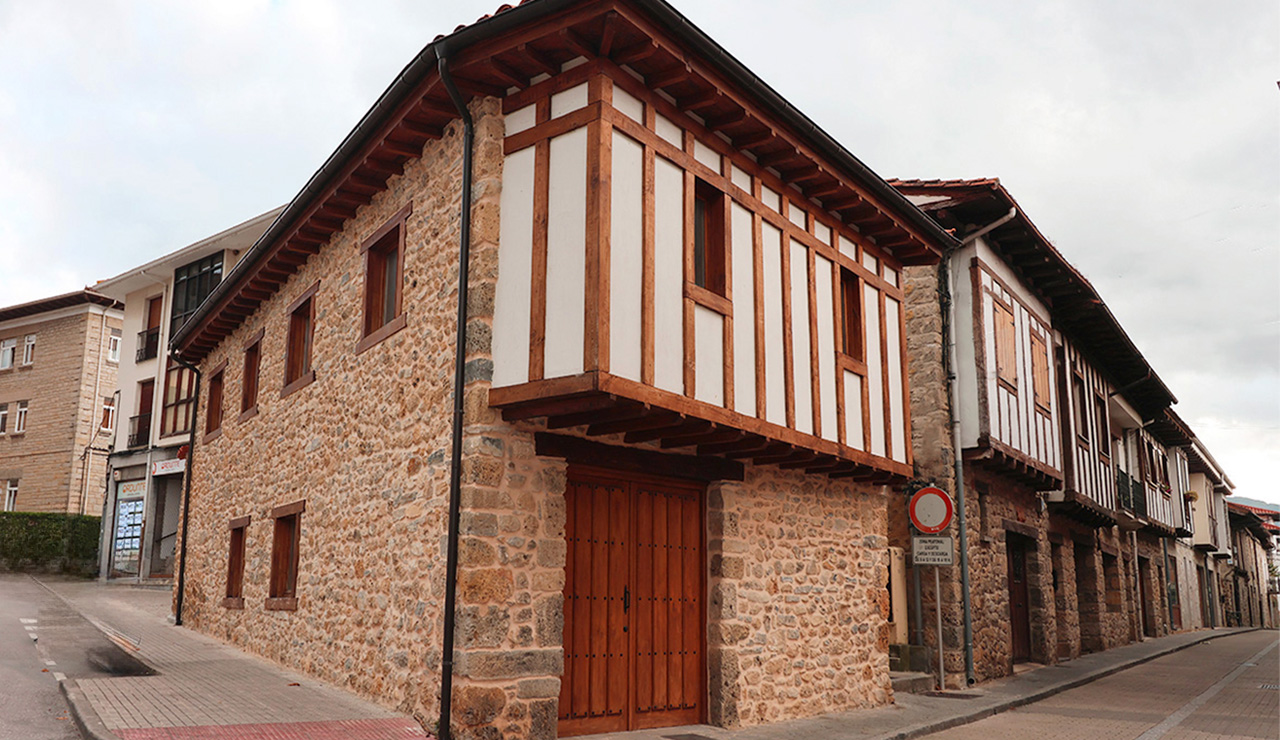
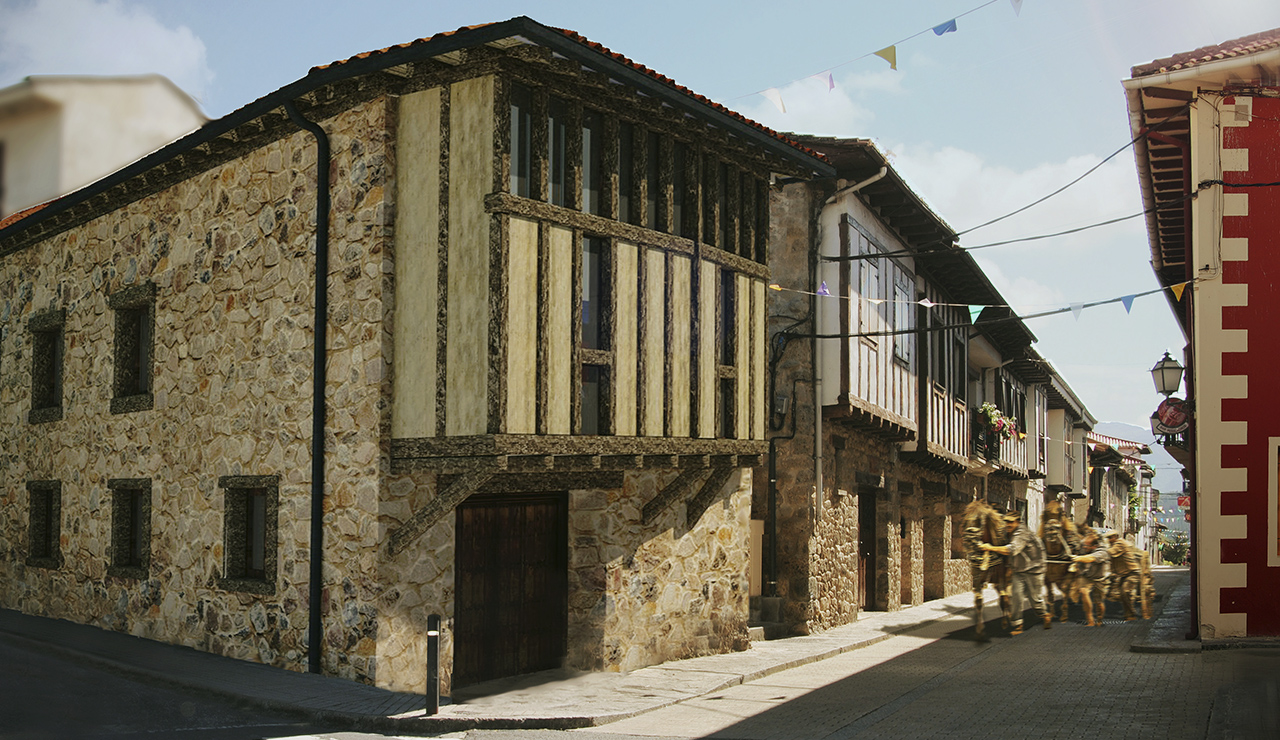
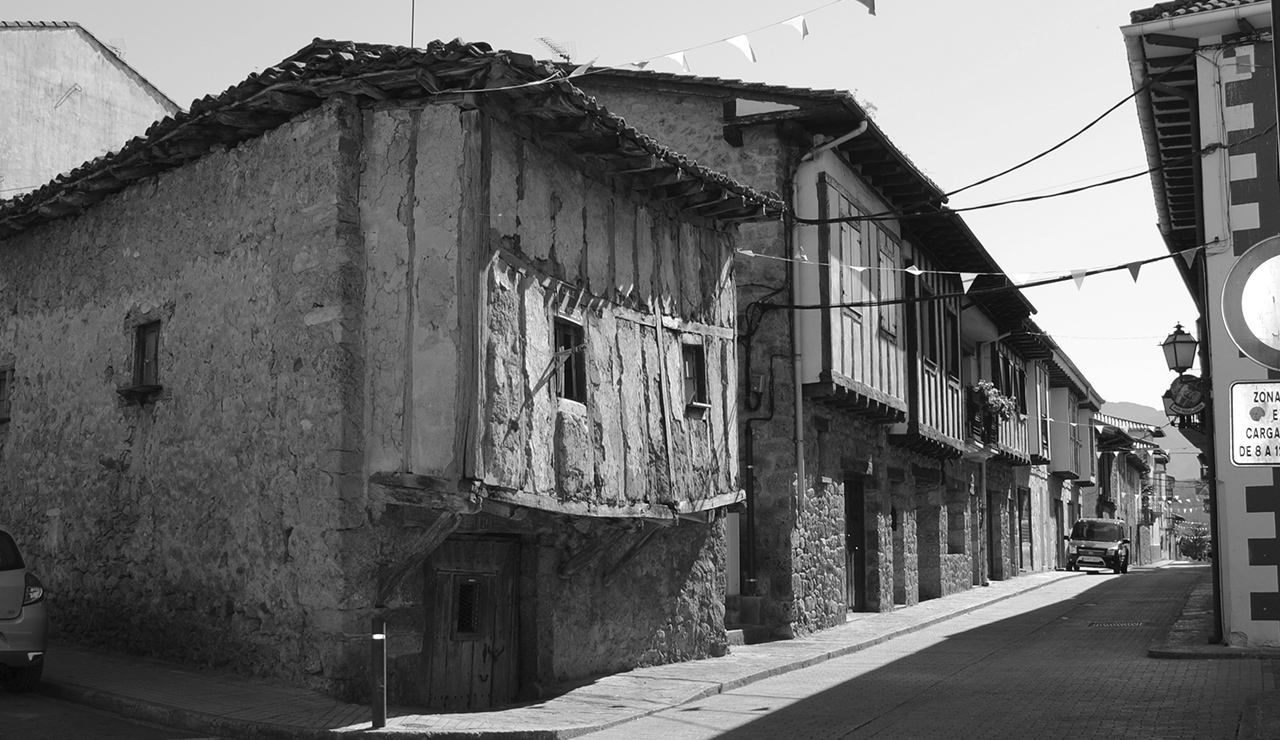
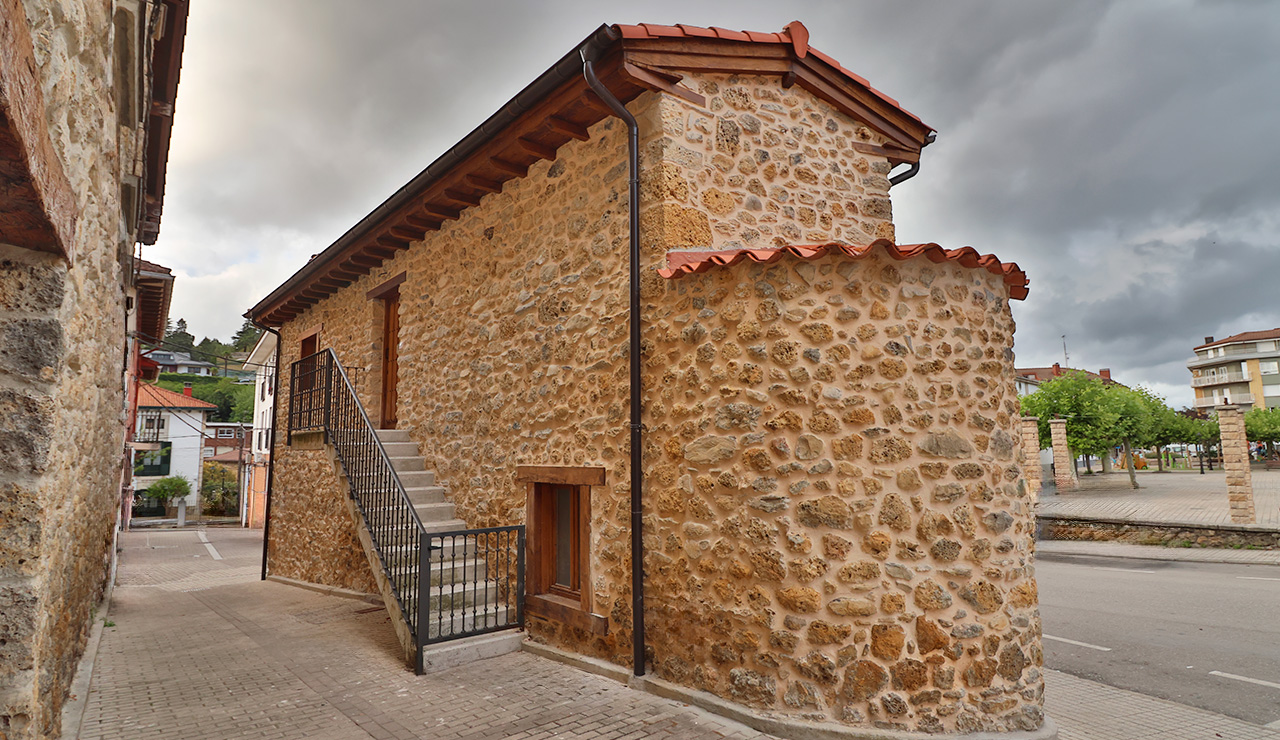
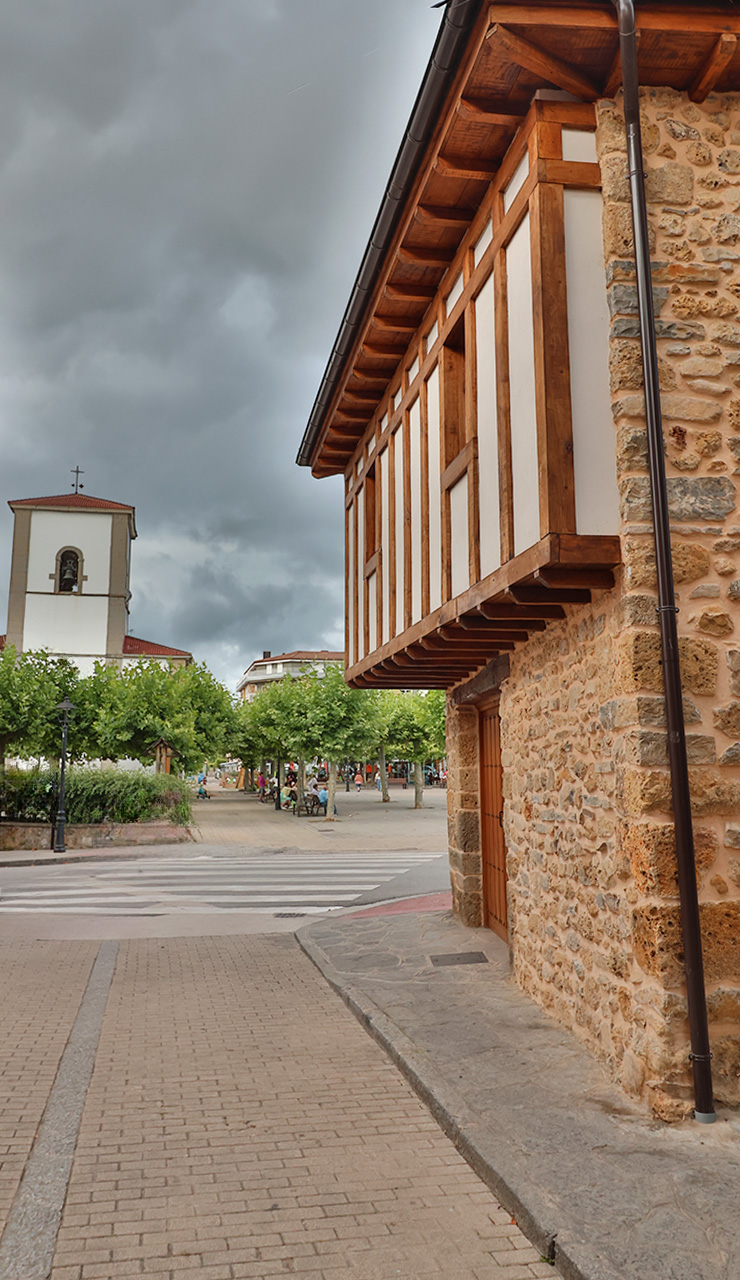
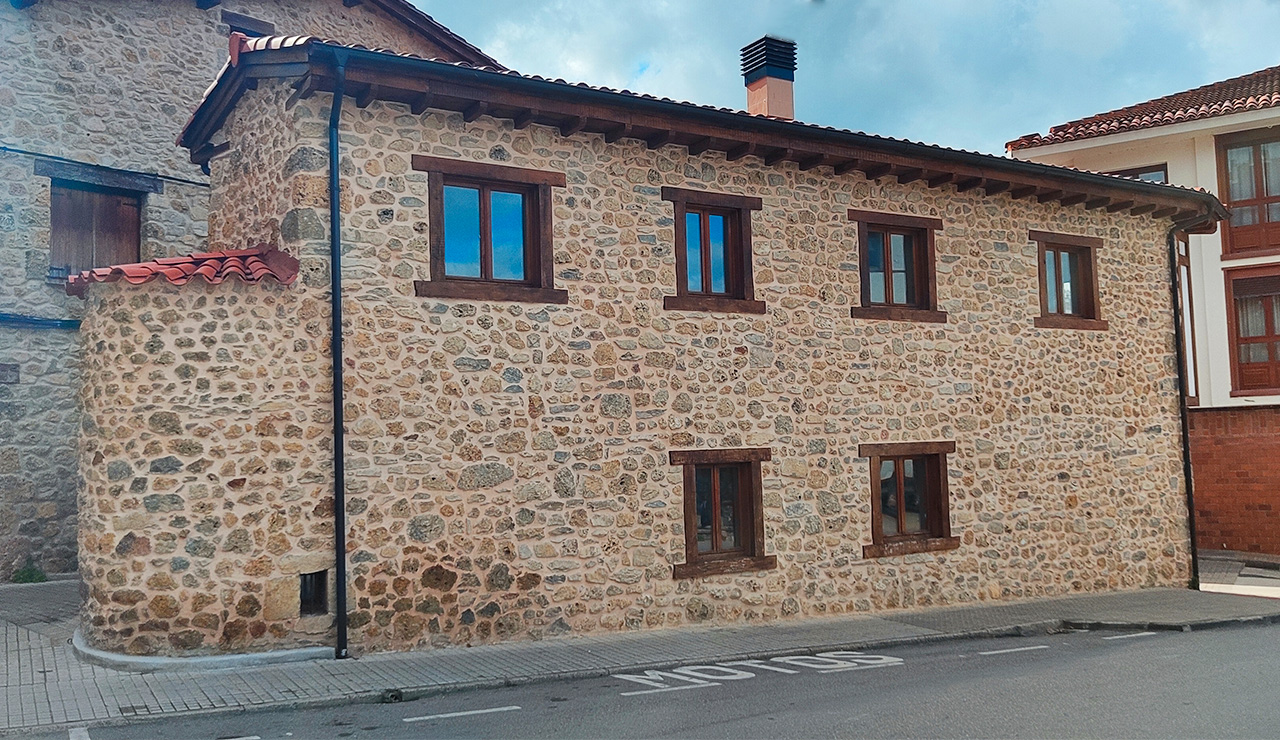
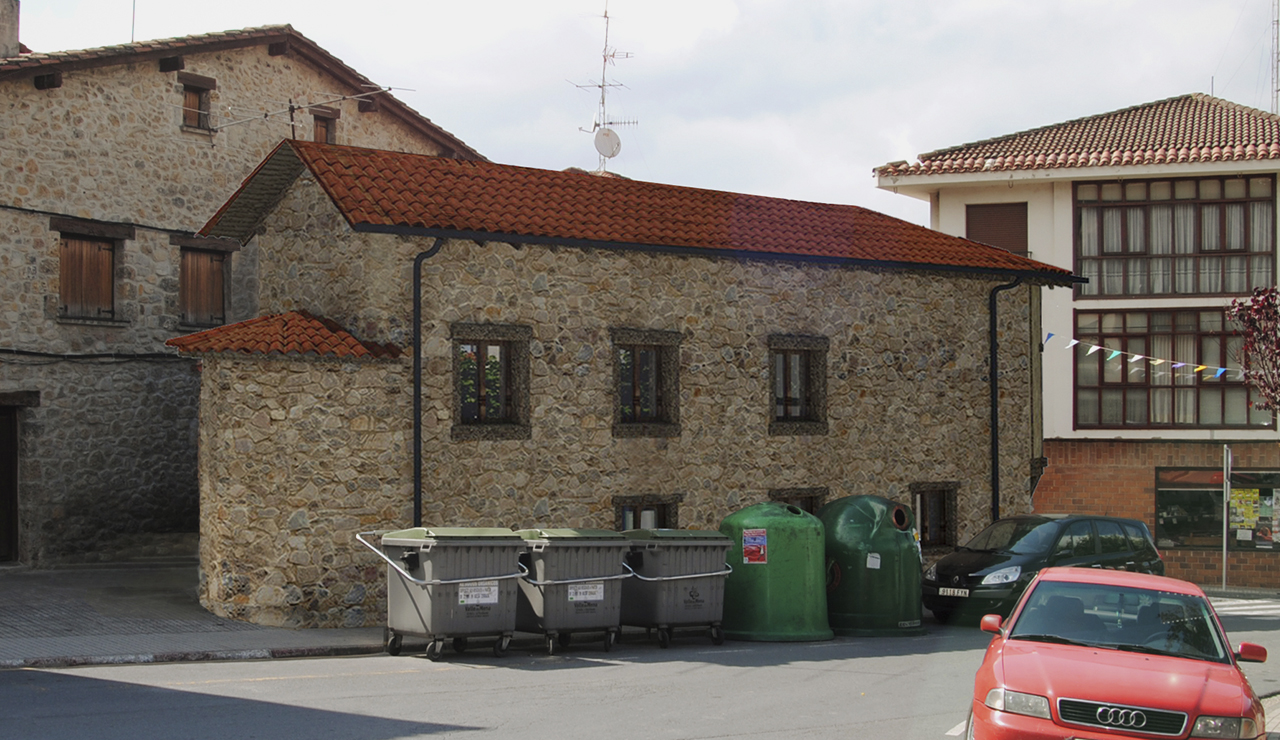
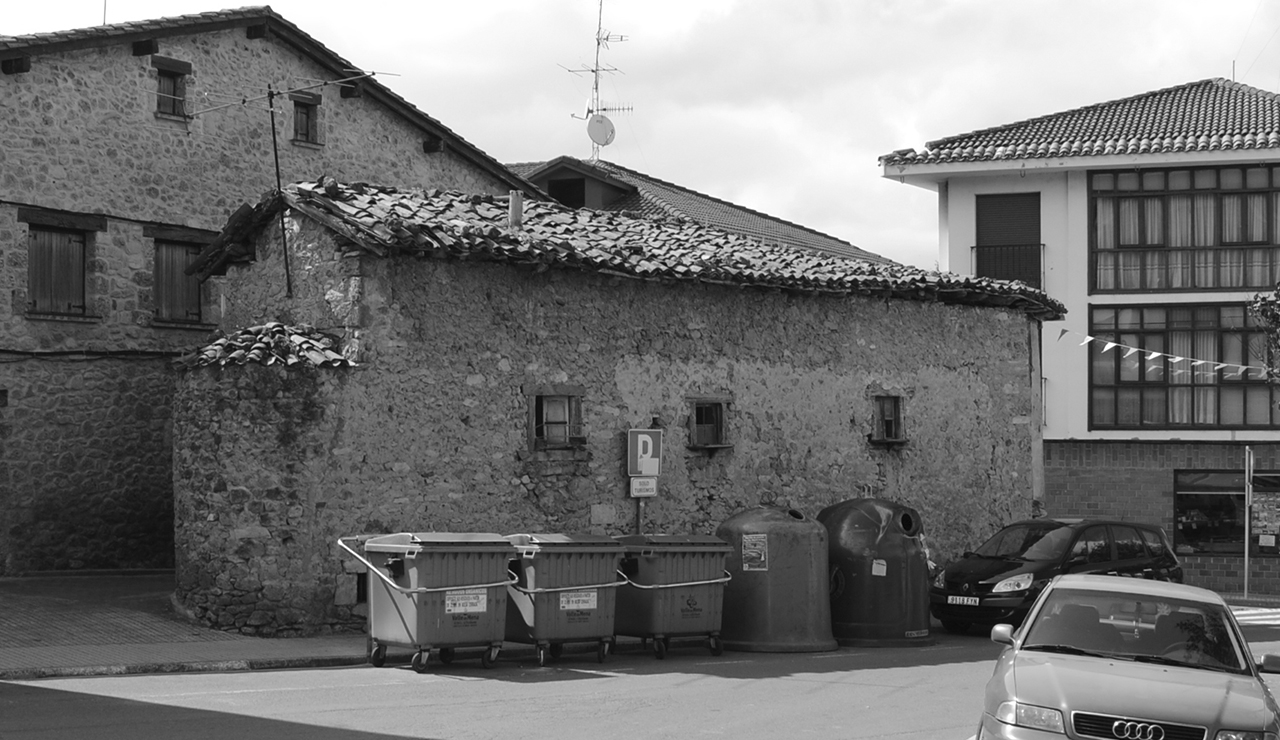
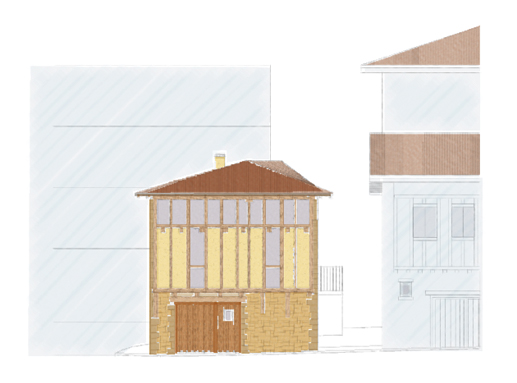
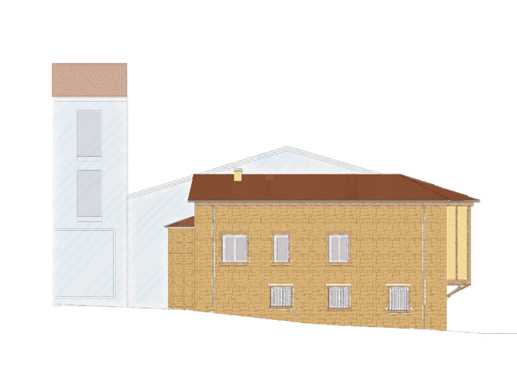
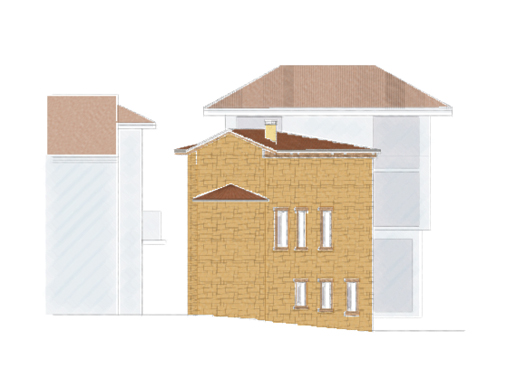
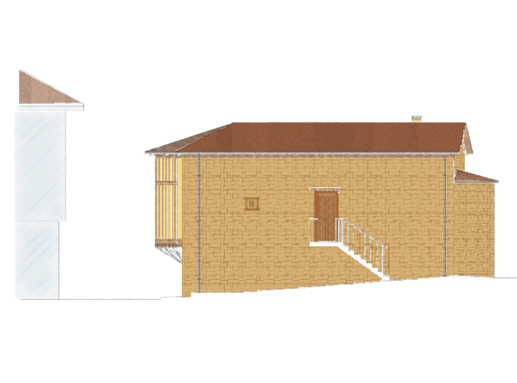
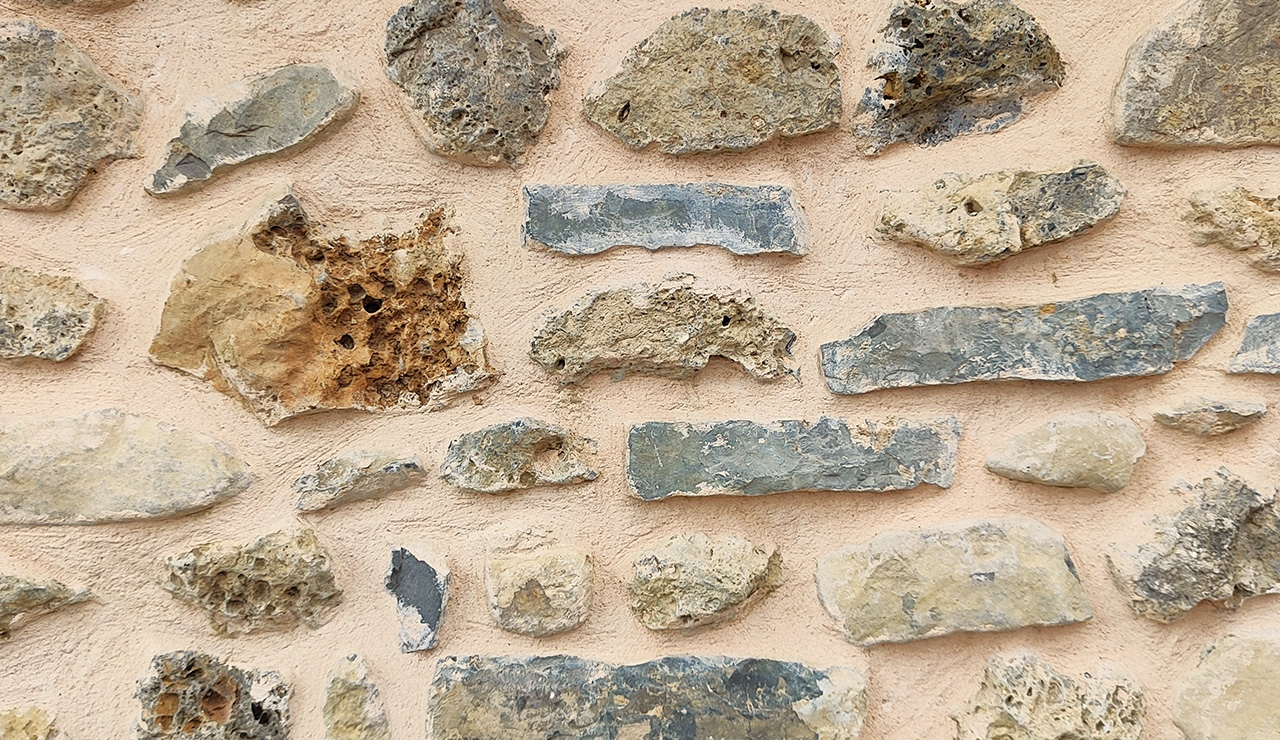
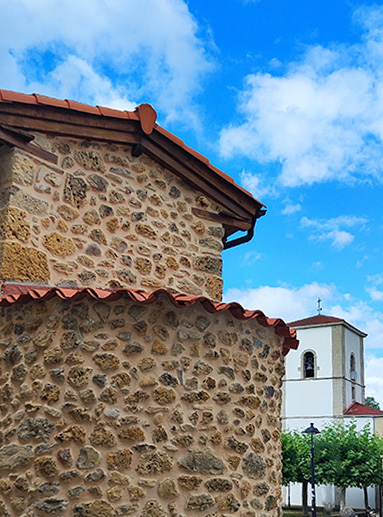
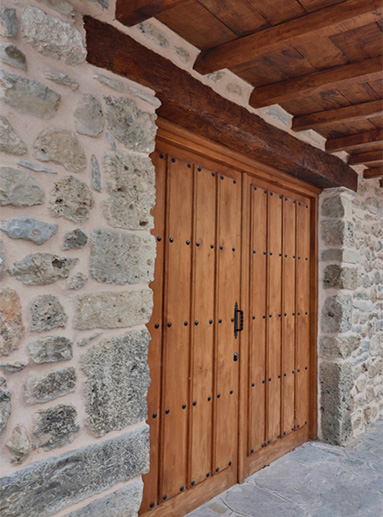
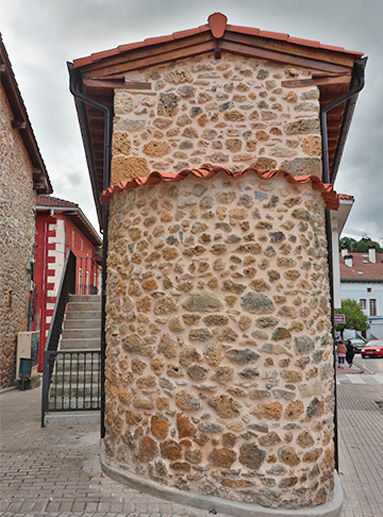
The architecture of Casa Fuelle reflects the region’s unique characteristics. The ground floor is built of stone, an abundant and durable material that provides strength and insulation. The upper floor, on the other hand, is constructed with a timber frame, a common technique of the time that lightened the load on the lower walls and facilitated the construction of cantilevers. This upper floor was usually used for family quarters, such as bedrooms and the kitchen, while the ground floor was used for more functional purposes, such as storage or stables. A semicircular oven remains at the rear of the building, another traditional element that reinforces the historic character of the house.
Villasana is the largest and most populated town in the Mena Valley, located in the north of the province of Burgos. Its historical importance is notable, as it was recognized as a town by King Alfonso VIII in the 11th century. This distinction was due to its strategic role during the Middle Ages, as a natural gateway between the northern peninsula and the Castilian plateau, in addition to being part of the route to Santiago de Compostela. This historical significance has left a visible mark on its urban layout and in the conservation of numerous heritage buildings.
The historic complex of Villasana preserves buildings from the 14th to 18th centuries, which reflect the architectural evolution of the area. The main streets, such as El Medio, La Encimera, and La Bajera, form the traditional town center. Among the most notable buildings are the Convent of Santa Ana, the Velasco Tower, the Palace of Sancho Ortiz de Matienzo—a magnificent example of late 15th-century Mudejar architecture—and, of course, the Casa Fuelle, which forms an essential part of the town’s urban and cultural landscape.