New construction vs. renovation: Which is the best option?
When purchasing a home, one of the first decisions is whether to build a new home or renovate an existing one. This choice depends on multiple personal and circumstantial factors, such as budget, supply and demand, and the buyer’s specific needs. Both options have advantages and disadvantages, which can make it difficult to determine which is the best option. As a starting point, to understand the concepts clearly, it is essential to define what is meant by new construction and refurbished.
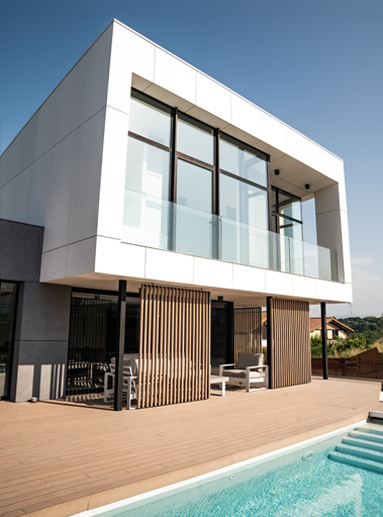
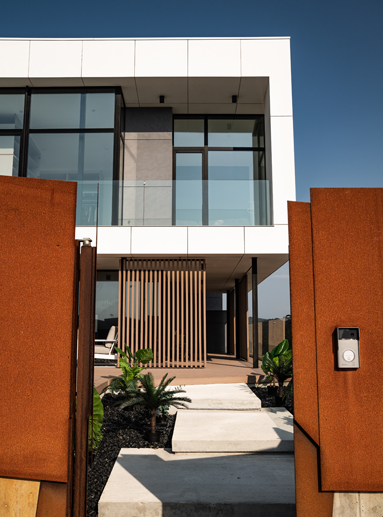
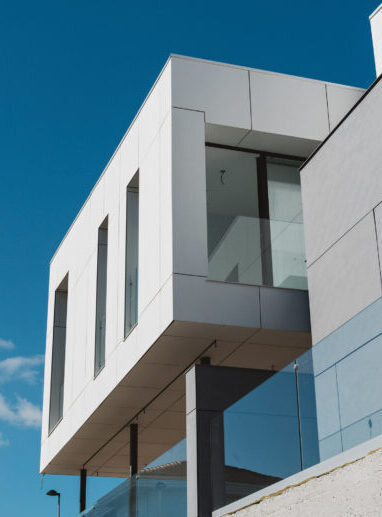
New construction homes are those purchased directly from the developer or builder and have not been previously occupied by either owner or tenant. Since this is a new construction, the materials and finishes used are usually state-of-the-art, and the home is designed according to energy efficiency criteria and, in many cases, with features customized according to the buyer’s requests. Furthermore, new construction homes often come with warranties that cover structural problems or other defects for a specified period, which offers additional security to the buyer.
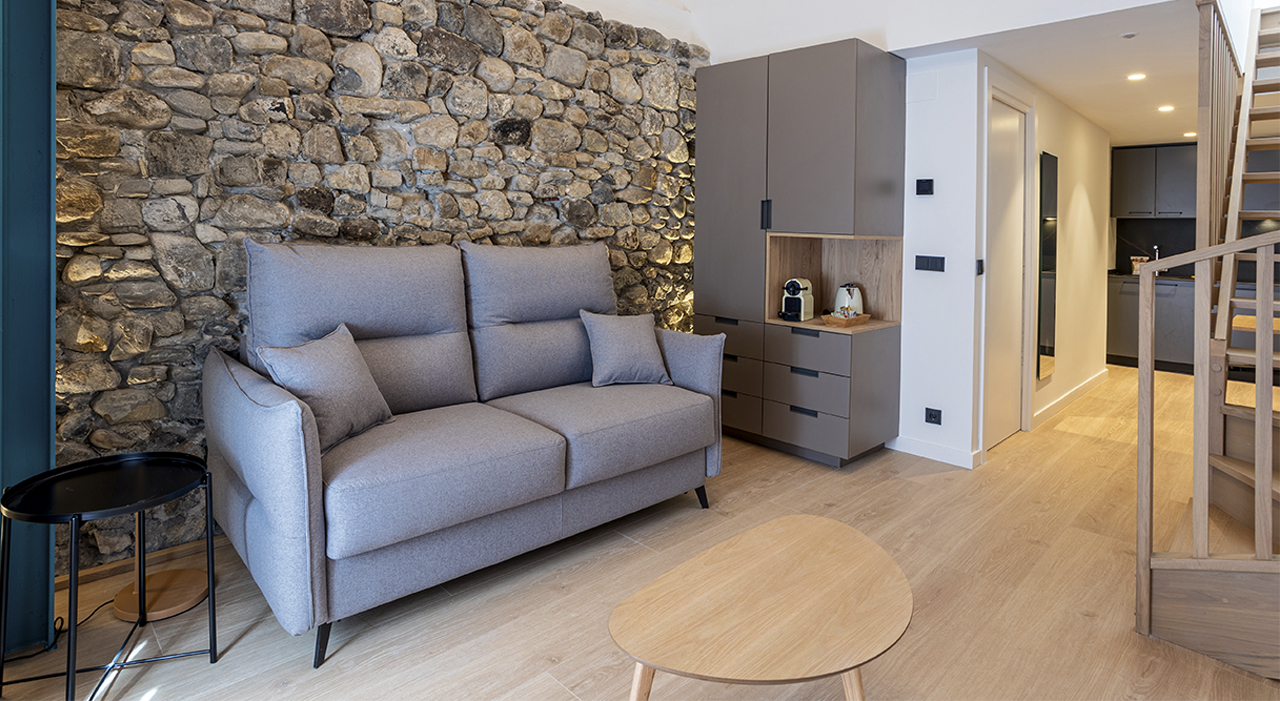
On the other hand, second-hand or used homes are those that have been previously inhabited or purchased by someone other than the developer or builder. These buildings may require some type of renovation depending on their condition and generally offer more affordable prices than new-build homes. One of their major advantages is that they are usually located in central or well-connected areas, which can be a deciding factor for many people. However, it is advisable to conduct a detailed inspection before purchasing to assess the condition and possible repair needs. The buyer’s personalized approach.
Key Factors for Making the Best Decision
The decision between new construction and resale is very personal, as it depends on the buyer’s needs, expectations, and circumstances. Therefore, it is important to consider several factors that can be decisive when making a decision.
Personal Situation and Budget
Budget is, without a doubt, one of the most relevant factors when choosing a home. Often, the buyer’s circumstances can influence the final decision. For example, someone may inherit a property and want to renovate it for personal use or with a view to selling it in the future, adding additional value. Generally speaking, renovations usually represent a lower outlay than purchasing a new home, taking advantage of the existing structure, which is usually the most expensive element in construction. However, if the structure is significantly damaged, the cost of repairs could be close to or even higher than that of a new-build home. In the long term, new homes can be more cost-effective due to their energy efficiency and lower maintenance requirements.
Location
Location is a very important factor to consider. If the buyer wants to buy a home in a central area, they will likely have to opt for a second-hand purchase. Urban centers generally don’t have available land for development, and when there is, prices skyrocket, forcing buyers to look for land on the outskirts or areas further from the city center. It’s also important to consider the desired surface area. New construction allows for customized design, while with second-hand homes, the buyer must adapt to the existing offering.
Condition of the Existing Property
If you already own a second-hand home, it’s crucial to review and assess the condition of its structure. If it’s in good condition, renovation may be more cost-effective. However, if the structure is severely damaged, the cost of the renovation could be even higher than building a home from scratch.
Regulations and Grants
When renovating a home, it’s essential to learn about building regulations and possible government grants. In some cases, local governments offer tax incentives for the restoration of historic or culturally significant buildings, which can represent significant savings.
Construction Time
The time available to complete the construction or renovation is another key factor. If the buyer needs a home urgently, renovation may be a better option, as it typically requires less time than building from scratch. However, this depends on the scope of the renovation and the need for permits, materials, and administrative processes.
Customization
One of the great advantages of new construction is the possibility of customization. The buyer can choose the design that best suits their needs and preferences. In contrast, with resale homes, renovations must be carried out taking into account the existing structure, and if the building is historic or protected, it must comply with heritage regulations.
Tax Cost: VAT
VAT is also an important factor in the purchase price. New-build and resale homes are generally subject to 21% or 10% VAT, depending on several criteria.
For renovations to existing buildings, 10% VAT applies provided that:
- The home is intended for private use as a primary residence. If the home is for rental or professional activity, 21% VAT applies.
- The buyer must be an individual; they cannot be a legal entity. – The construction must be at least 2 years old.
- The cost of materials supplied by the contractor does not exceed 40% of the total taxable amount of the project. If it exceeds this amount, 21% VAT will apply.
For new-build homes, the applicable VAT is 10% for first-time deliveries, except in the Canary Islands, where it is replaced by the Canary Islands General Indirect Tax (IGIC), which is 6.5%.
Which option is better?
There is no definitive answer to the question of whether it is better to opt for new construction or renovate a home. The best option will depend on the buyer’s specific situation, budget, and priorities. It is advisable to conduct a personalized analysis and seek professional advice to evaluate the costs, timescales, benefits, and risks of each alternative.
Whatever the choice, weighing the pros and cons from a personal and financial perspective, along with the support of specialists, will ensure a safer and more satisfactory investment.