Microliving: The revolution of living space in modern cities
Living in city centers, well-connected, and close to work are some of the factors facing the new generation when choosing a home. Currently, the search for homes that adapt to a dynamic, practical, and affordable lifestyle has driven the rise of microliving, a residential model that emphasizes functionality and the use of space, prioritizing comfort over square footage.
What is microliving?
Microliving is a concept that emerged in large cities like Tokyo and New York in the final decades of the last century. With population growth, the rising cost of living, and the need to optimize resources, an alternative emerged that would allow citizens to enjoy adequate housing without the need for large spaces. This housing model is characterized by the use of multifunctional furniture, intelligent and efficient design, and a layout that maximizes every corner to offer comfort without sacrificing practicality. Homes that respond to this trend are typically small in size but are equipped with innovative solutions that optimize the resident experience.
This lifestyle has been particularly well-suited to single people or couples without children who work in city centers. These population groups value the proximity of their homes to their workplace, as well as quick access to essential services and leisure options. Rather than investing in large spaces, they prefer compact homes that offer comfort, ease of movement, and functionality, optimizing their time and avoiding long commutes.
What is the reason for the rise of microliving?
Microliving has emerged as a response to the challenges facing the contemporary real estate market. Some of the factors that have driven its growth include:
Financial Access
Real estate prices have experienced a notable increase, especially in large cities. Buying or renting traditional homes has become a challenge for young people, who are seeking more economical and affordable alternatives. In this sense, microliving represents a viable solution, offering small but functional spaces at more affordable costs.
Strategic Location
Microliving units are typically located in central areas, allowing residents easy access to work areas, universities, essential services, and public transportation. This significantly reduces commuting time and costs, improving the quality of life for those seeking efficiency and practicality in their daily routines.
Sustainable Approach
Microliving also responds to a growing concern about environmental impact. Small homes require fewer resources in both construction and maintenance, making them a more environmentally friendly alternative. Furthermore, being located in the heart of cities, they encourage the use of public transportation and reduce the need for private vehicles, contributing to lower carbon emissions.
Technology Integration
Many micro-homes are designed with smart technology, incorporating automated lighting, temperature control, air management, and voice-activated devices. This approach not only improves the user experience but also enables efficient management of space and energy resources.
Adapting to a Modern Lifestyle
Microliving reflects the evolving lifestyle of younger generations. Today’s youth prioritize mobility, work flexibility, and access to experiences over large properties. Living in a micro home allows them to focus on what’s truly important: enjoying free time, traveling easily, and adapting to changes without the limitations of a large residence.
Minimalism and Functionality
Living in a small space fosters a minimalist philosophy, prioritizing order, functionality, and the use of furniture. Interiors are often designed with built-in wardrobes, folding tables, sofa beds, and modular furniture that maximize available space without compromising comfort.
Creating Shared Spaces
Many microliving initiatives have developed common areas for remote work, socializing, and leisure. This is especially useful for freelancers, entrepreneurs, or digital nomads, who can enjoy collaborative spaces that foster creativity and the exchange of ideas.
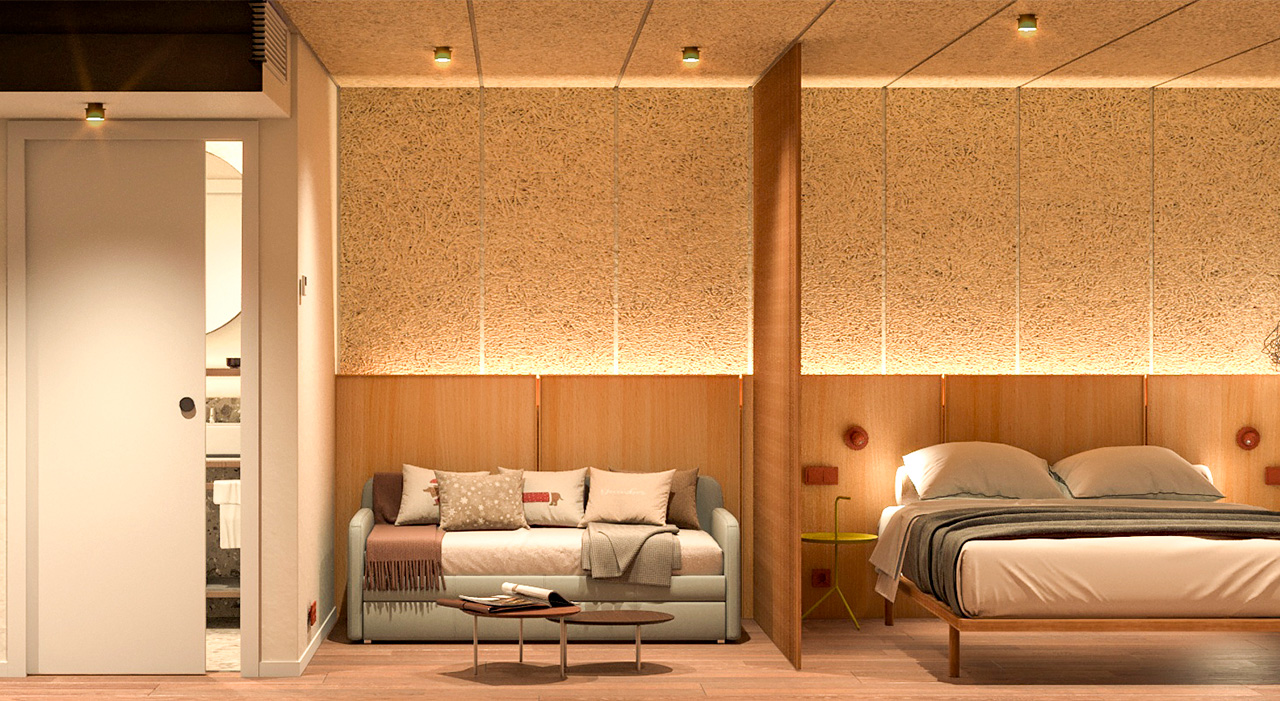
Microliving has ceased to be an alternative option and has become a dominant trend in the modern real estate market. It represents an efficient solution for those seeking accessibility, strategic location, sustainability, and technology in their daily lives. With the rise of remote work and increasing job mobility, this concept will continue to expand, redefining the way we think about our homes.