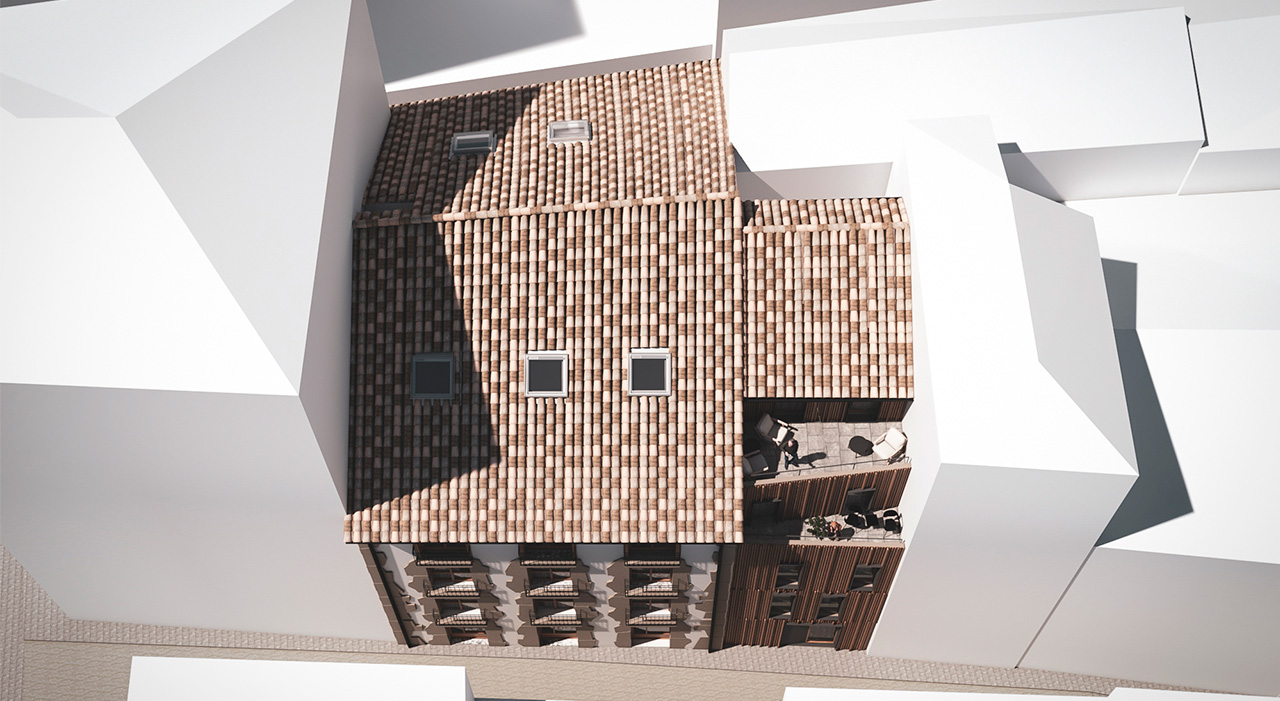
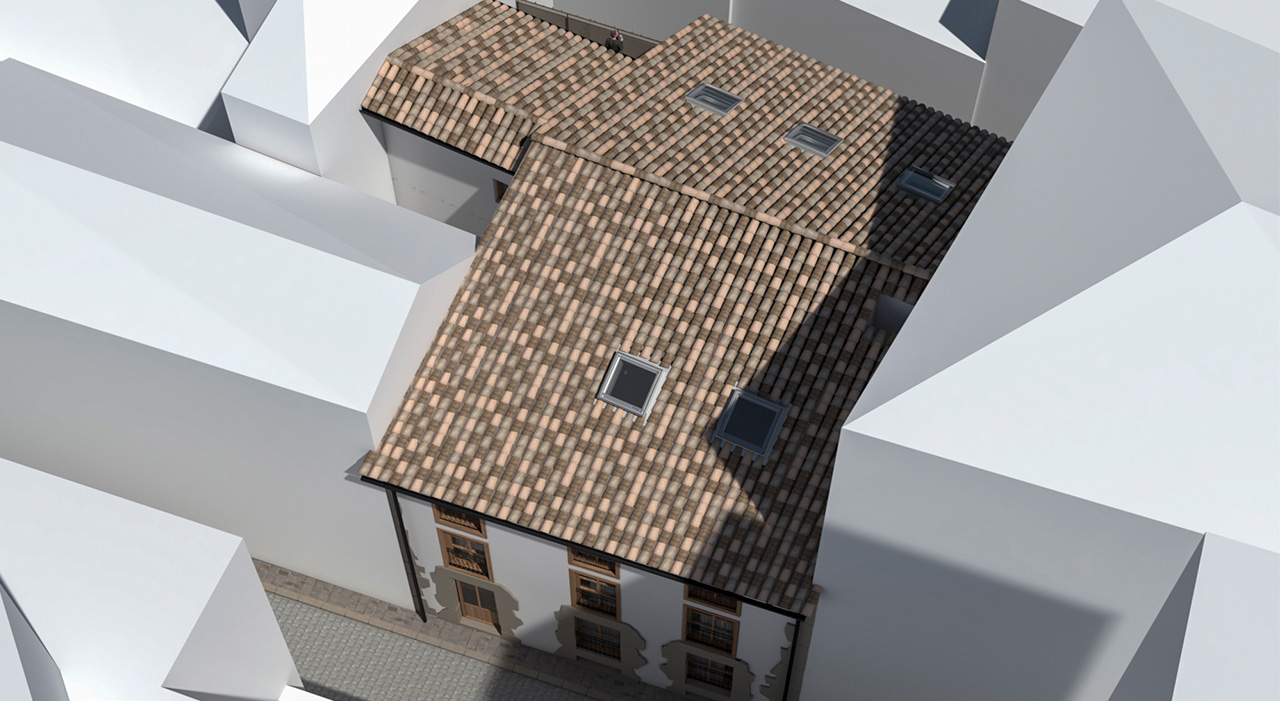
The project involved the unification of two adjoining estates, each with different structural and architectural characteristics. The first property corresponded to a 19th century building with three floors and ground floor, whose structure was supported by stone perimeter walls and wooden elements. This property was subject to the regulations of the Special Plan for the Integrated Rehabilitation of the Historic Centre of Bermeo, which required an intervention that respected its heritage value.
On the other hand, the second property corresponded to a plot occupied by a more recent building that was in an unfinished state. This was a two-storey, ground-floor building, the construction of which had been limited to the foundations, the metal structure and the metal sheet slabs. From an architectural point of view, this space offered the opportunity to design a different concept to that of the adjacent historic building, thus respecting the original identity of each property.
The following works were carried out for the execution of the project:
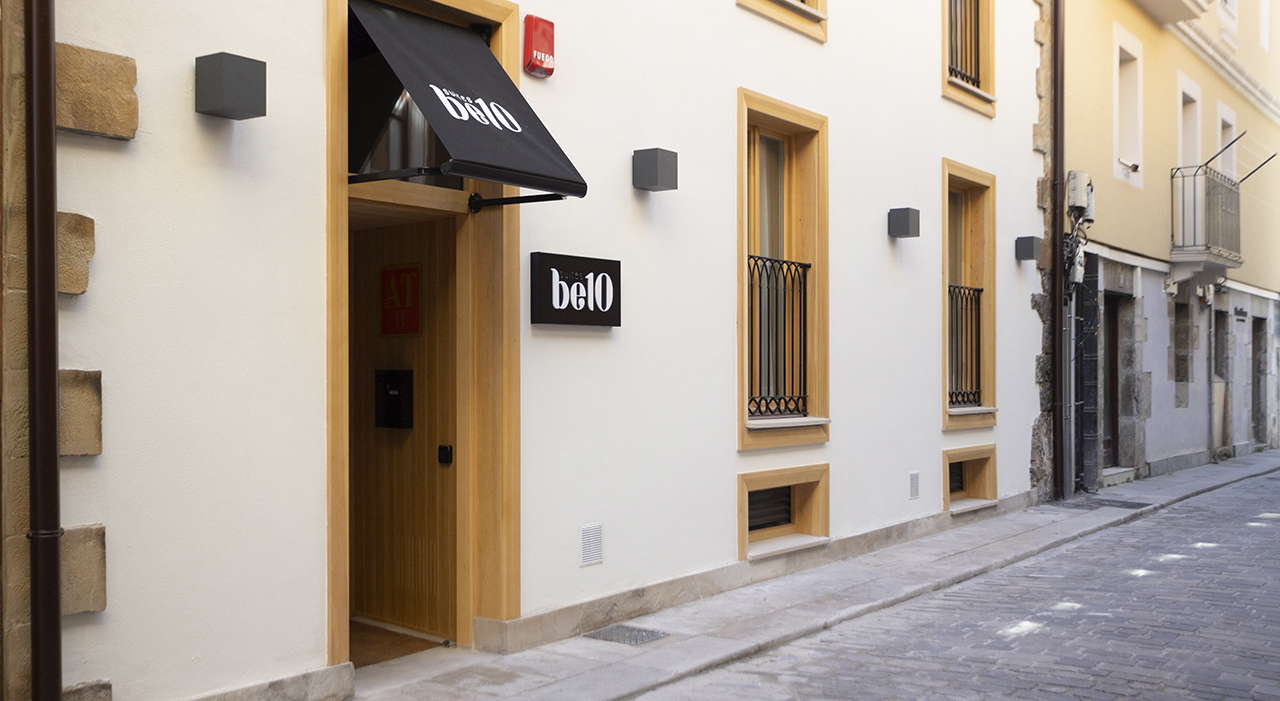
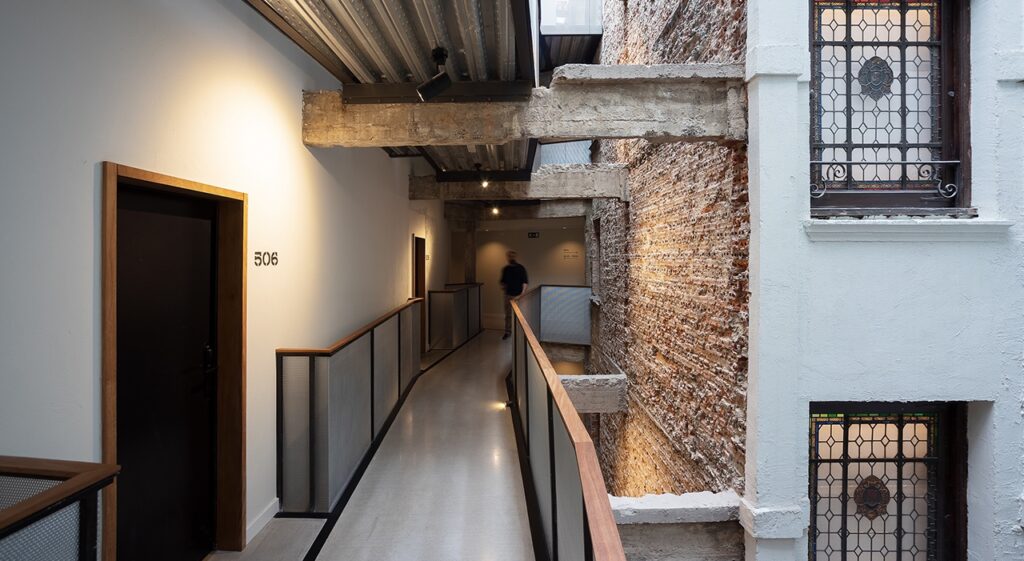
– Rehabilitation of the skin of the historic building, eliminating elements that altered its original typology and recovering its traditional aesthetics.
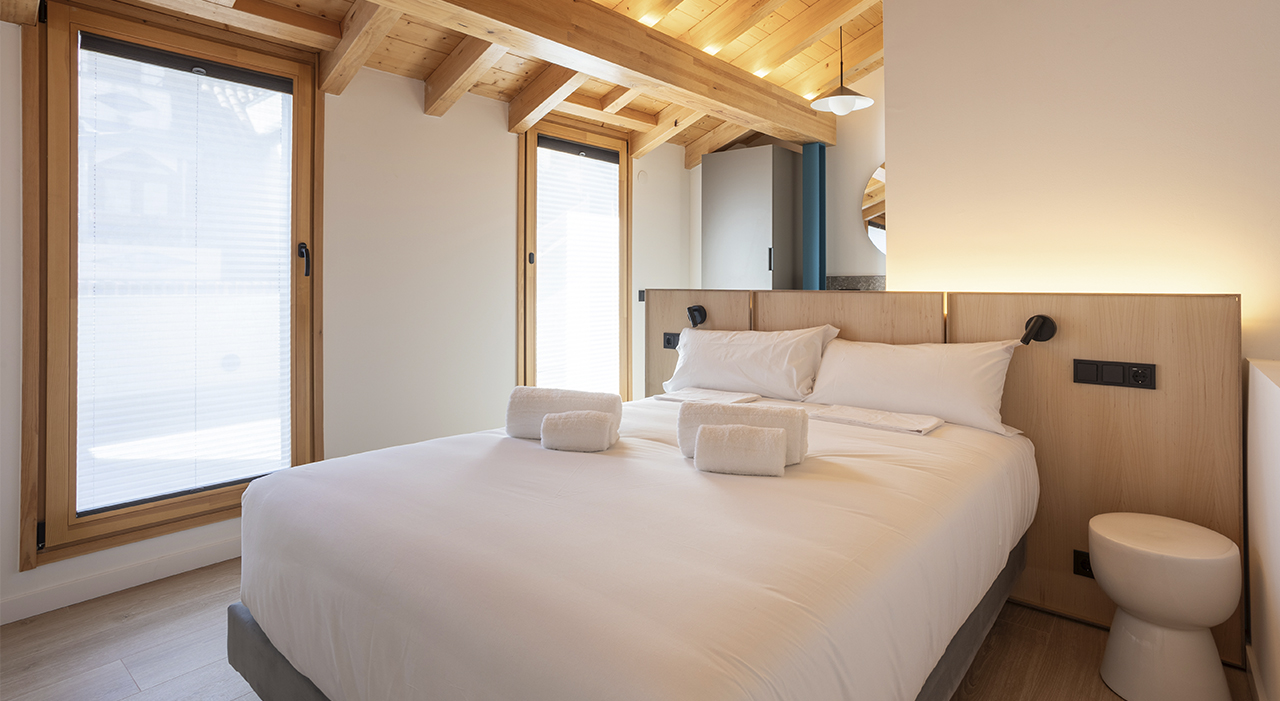
– Reconstruction of the floors of the building using a metal structure combined with the construction of a wooden roof over the perimeter walls. The presence of pillars in the area under the roof was avoided, maximising the original scale of the roof tile.
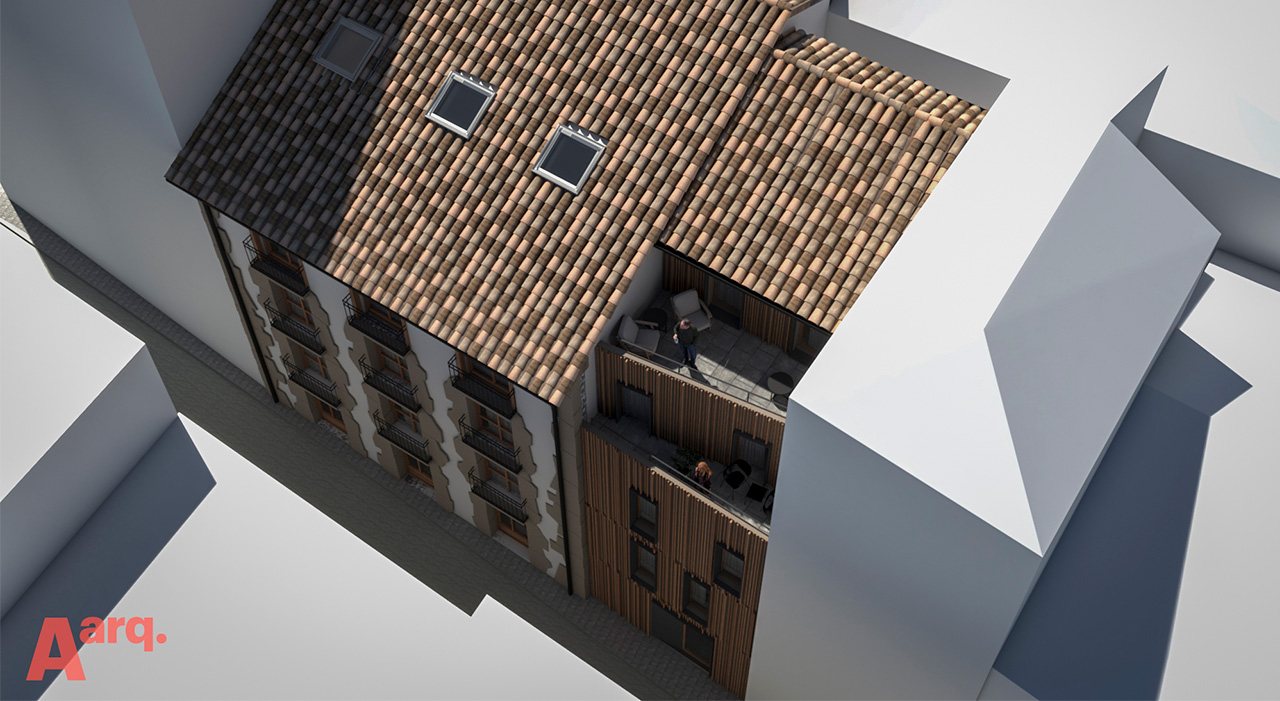
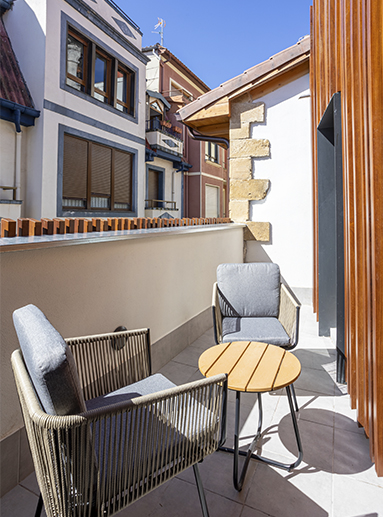
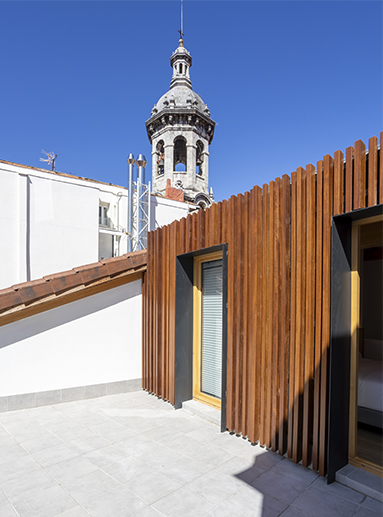
-For the adjoining site, the aim was to create a more abstract element, with a lighter building that is recessed at the top floors and crowned with a recessed roof over a terrace with greenery. The façade was clad with wooden slats, giving it a contemporary character without clashing with the identity of the historic quarter.
After this restoration, the two plots have been connected floor to floor, sharing staircase and lift. Externally, it is also perfectly reflected that they are two historically distinct properties, maintaining and harmonising the heterogeneity characteristic of the old quarter of Bermeo.
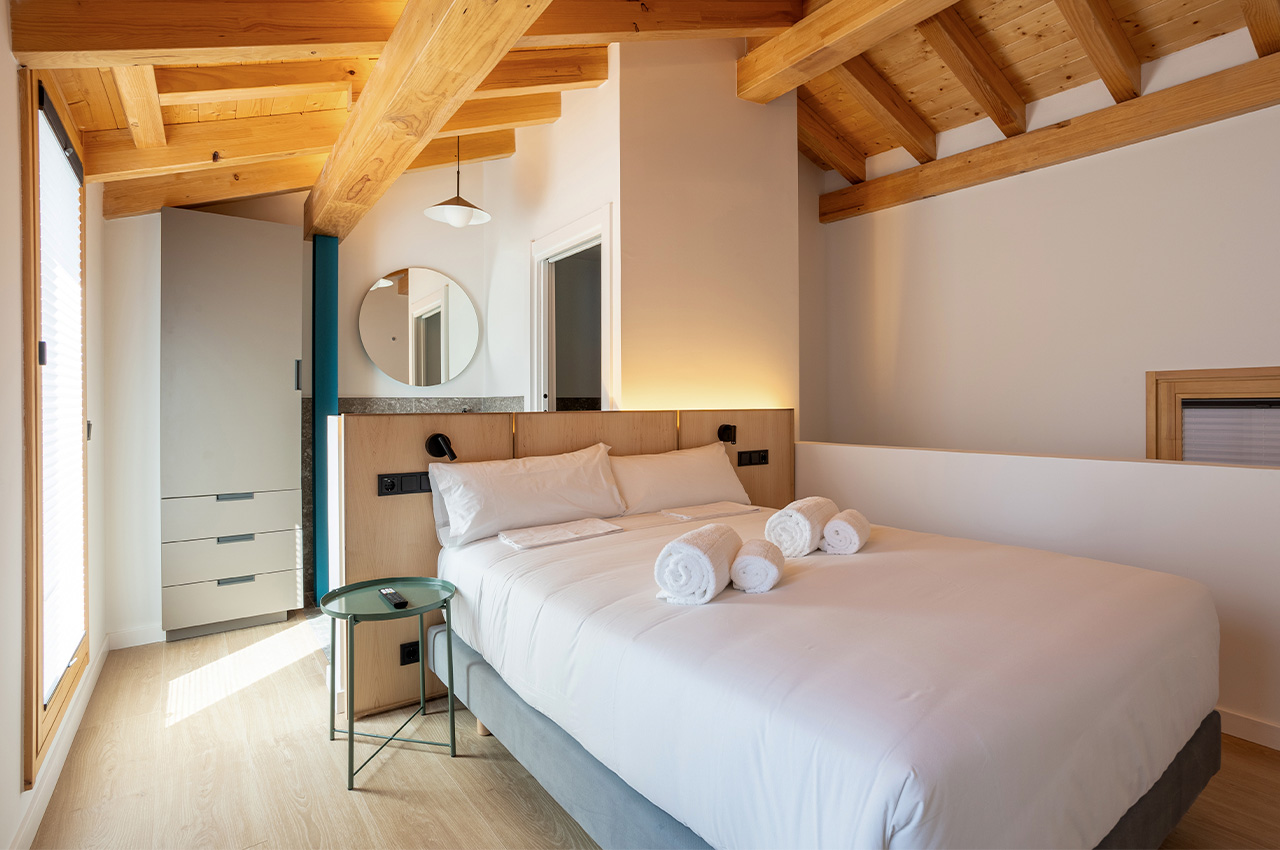
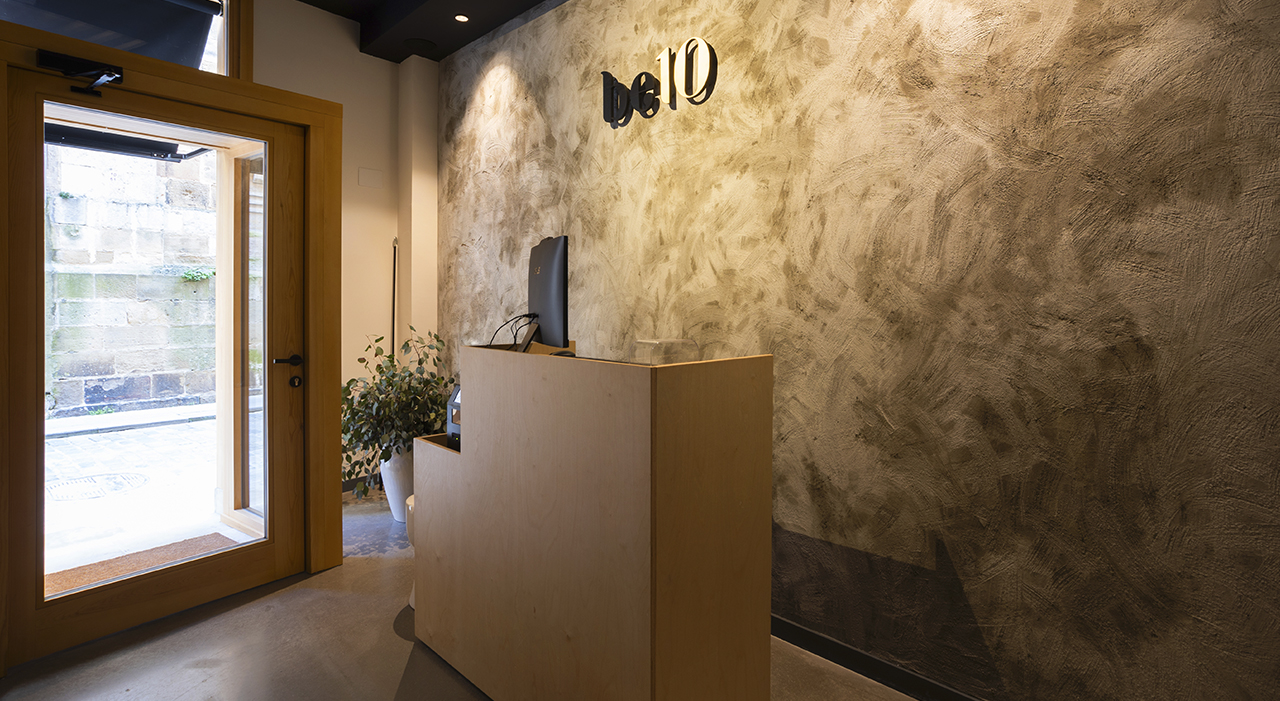
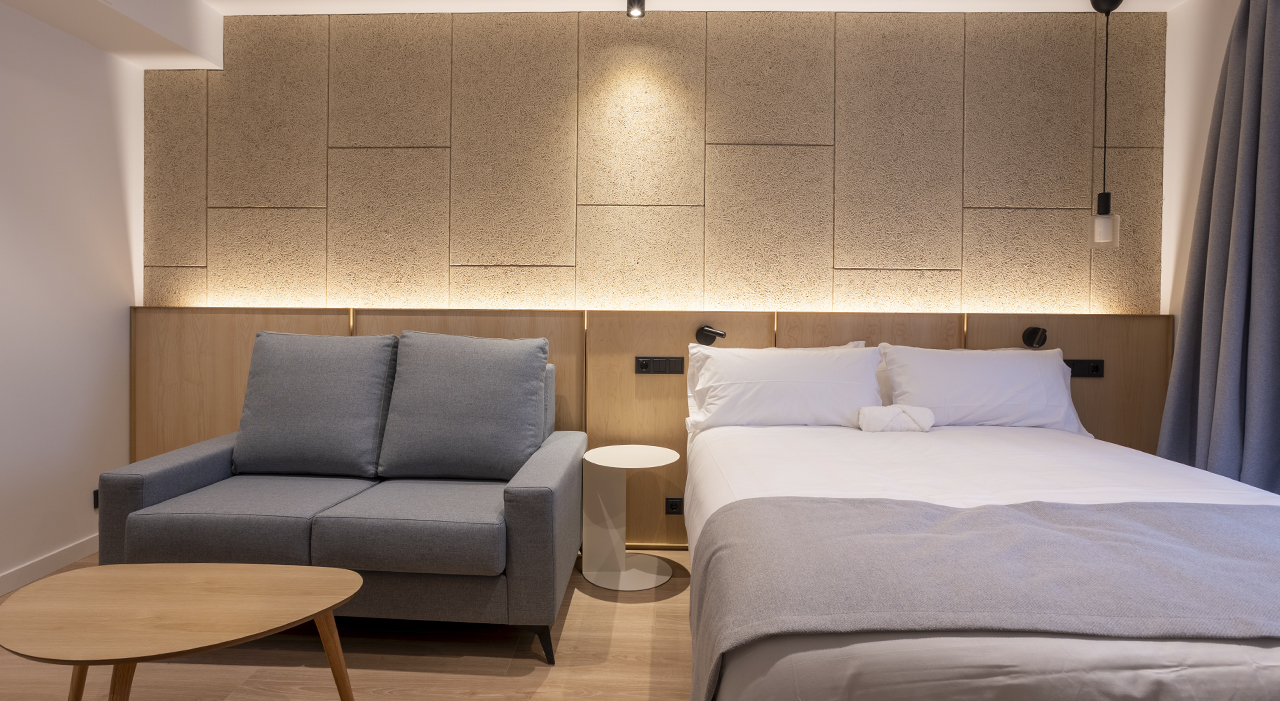
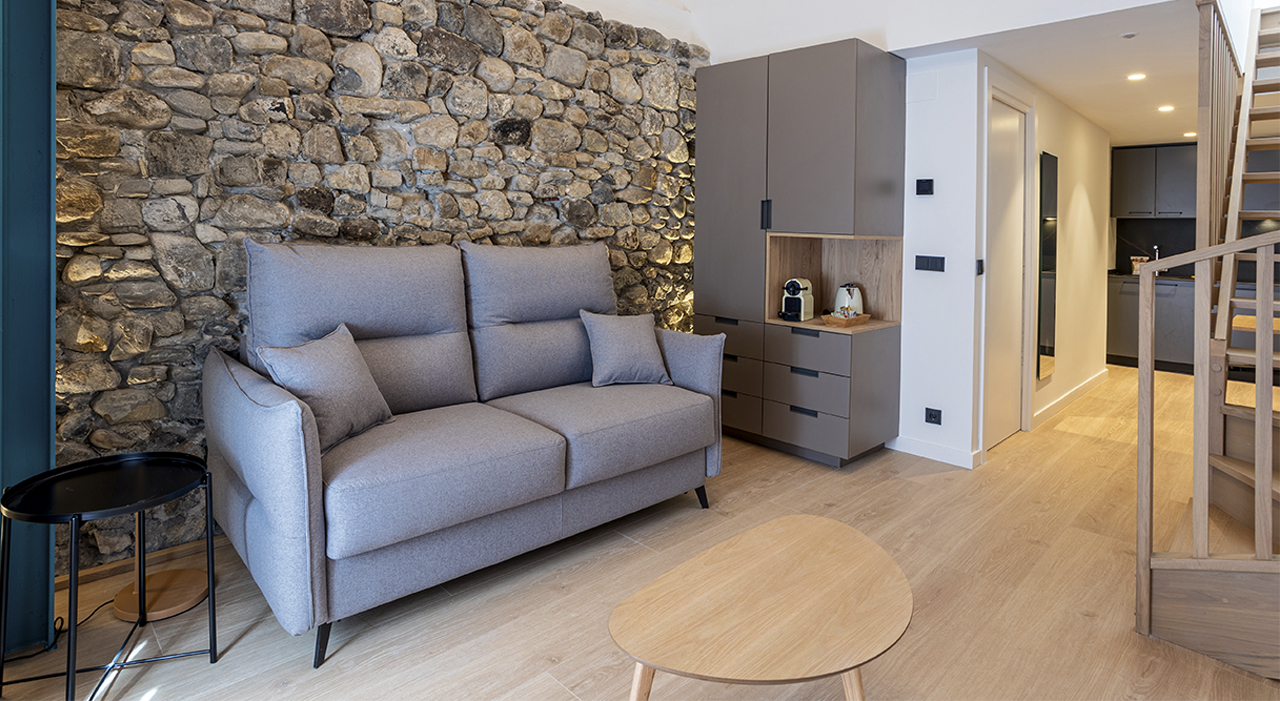
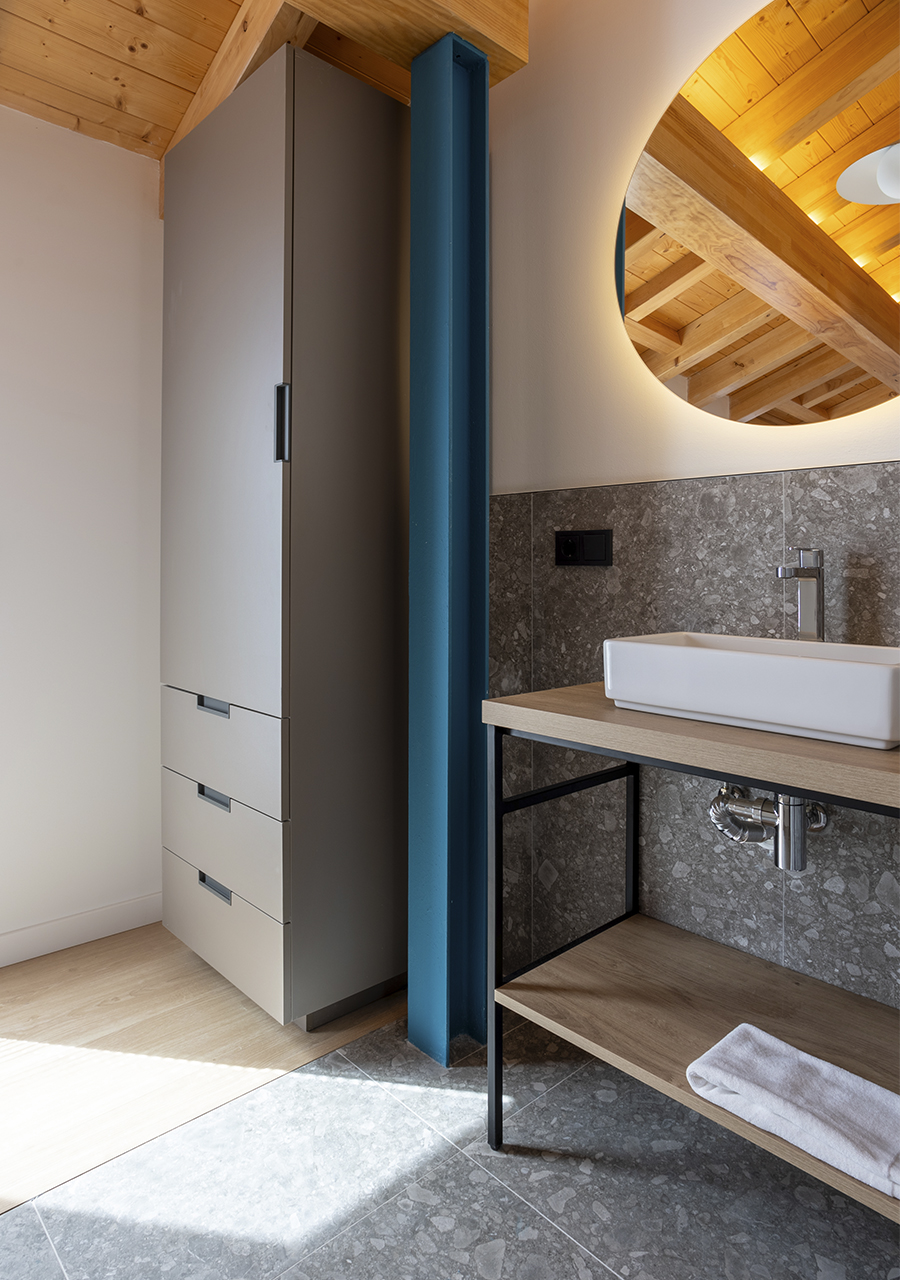
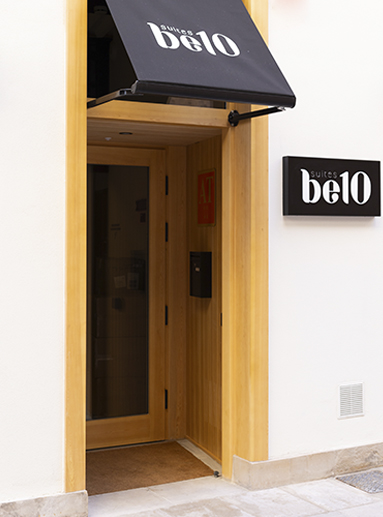
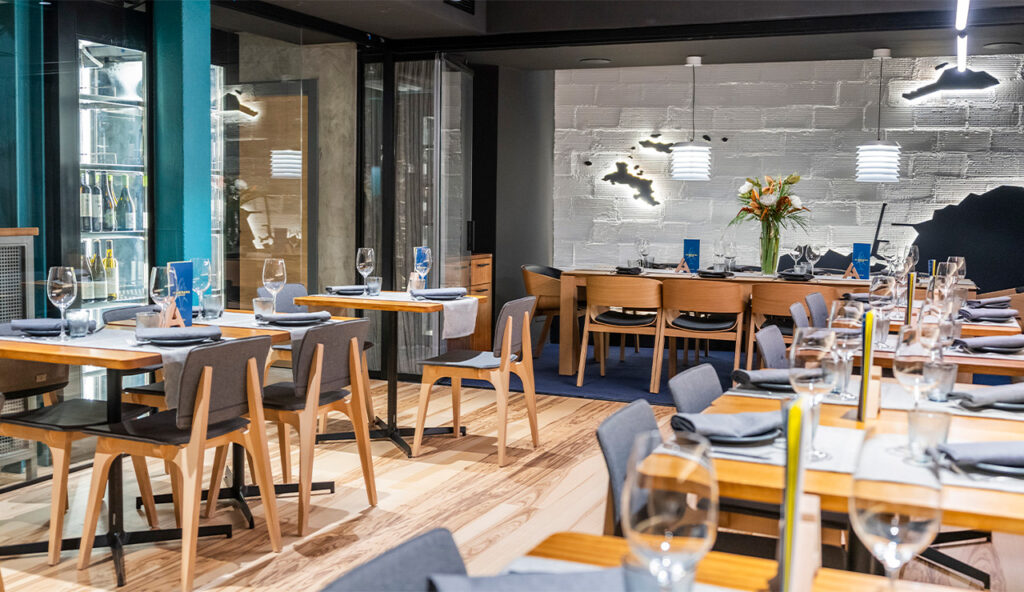
Inside, an aesthetic inspired by the seafaring world has been used to give the flats character and personality. One of the most representative details of this inspiration is the metal structure visible in the rooms, painted in a petrol blue evocative of the colour of the sea and the essence of the fishing environment. In addition, the design of the signage responds to an abstraction of the number plates of fishing boats, adding a distinctive graphic touch.
The selected furniture plays with textures and tonalities that reinforce the maritime atmosphere, combining modern elements with references to the legacy of Bermeo. As part of this proposal, the studio designed the T wardrobe, designed to provide maximum comfort to guests, ensuring functionality and personality in each room.