Hospitality Trends 2026
Interior design in the hospitality sector is constantly evolving to adapt to new needs, values, and user expectations. Looking ahead to 2026, trends point toward more human, warm, and conscious spaces, where guest well-being becomes the central axis of every design decision. It is no longer just about creating aesthetically appealing places, but about offering complete experiences that engage the senses, respect the environment, and reflect a distinct identity. In this context, aspects such as the choice of colors and textures, sustainability, experiential design, integration with nature, smart technology, and spatial versatility play a fundamental role in shaping new hotel environments.
COLORS AND TEXTURES
Cool tones are losing prominence in favor of colors that bring greater warmth and comfort to spaces, such as earth tones and soft neutrals, with beige standing out among them. While past trends showed a strong preference for colors such as white, gray, or black, 2026 is expected to see the return of shades that directly evoke nature. Browns, caramel tones, olive greens, oranges, and ivories become key allies in creating welcoming, balanced, and visually pleasing environments.
This chromatic shift is accompanied by a greater emphasis on natural materials such as wood, stone, and organic textiles, which add authenticity and a connection to the surroundings. Textures also play a key role in the designs projected for 2026. The search for comfort and warmth is achieved not only through color, but also through surfaces and fabrics that are pleasant to the touch. Felted fabrics such as velvet or bouclé, as well as natural textiles like linen, cotton, or rattan, help give spaces character, depth, and a homelike feeling that encourages guest rest and relaxation.
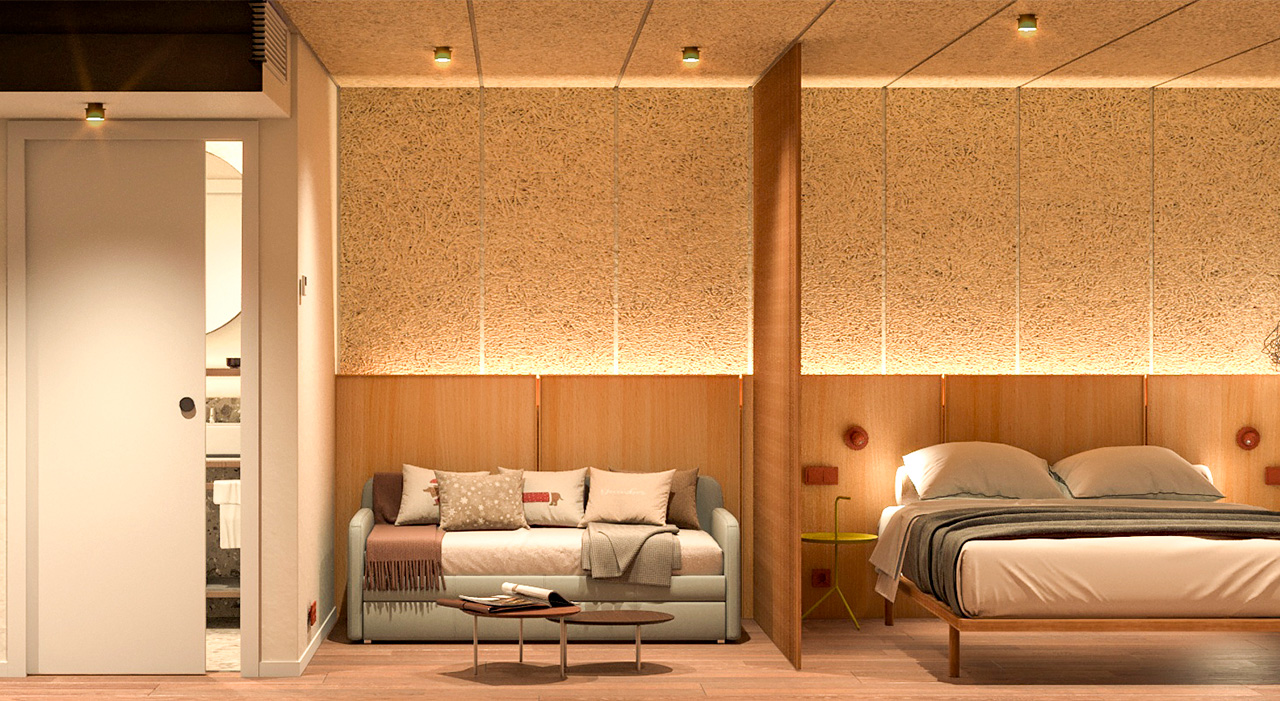
Be10 Tourist Apartment Project
SUSTAINABILITY
Sustainability is becoming firmly established as one of the fundamental pillars of contemporary hotel design. Hospitality venues increasingly embrace responsible solutions that reduce environmental impact without sacrificing quality or aesthetics. Common practices include the implementation of low-energy lighting systems, the use of recycled, recyclable, or biodegradable materials, and the selection of durable products that extend the life cycle of spaces.
Likewise, priority is given to certified materials and collaboration with local suppliers, which helps reduce the carbon footprint associated with transportation and logistics. The integration of natural elements such as plants, indoor gardens, or trees strengthens the connection with the environment and improves the environmental quality of spaces, responding to a growing demand from more conscious and environmentally committed guests.
EXPERIENTIAL DESIGN
Experiential design is gaining increasing importance in the hospitality sector, as guests seek unique and memorable experiences during their stay. Hotels are no longer merely functional spaces, but environments that stimulate the senses and generate positive emotions. Furniture layouts are carefully planned to promote comfort, fluid circulation, and interaction.
Lighting plays a key role, combining natural light with warm, adjustable artificial systems that encourage relaxation. This is complemented by the importance of proper thermal and acoustic insulation. Decorative elements such as artworks, water features, or handcrafted pieces, together with soft and pleasant textiles, help create immersive atmospheres that enrich the guest experience.
IN/OUT DESIGN
The integration of interior and exterior spaces is becoming one of the most relevant trends in hotel design. Biophilic design continues to gain prominence, as the presence of nature in interior spaces provides proven benefits for health and well-being. Visual and material continuity between indoors and outdoors is achieved through the use of similar flooring, large windows, and carefully designed transitions between both areas.
Terraces, patios, and gardens are designed as natural extensions of interior spaces, offering areas for relaxation, contemplation, and disconnection. Natural light is maximized, along with the incorporation of vertical gardens, plants, and trees of various species. All of this contributes to creating healthier, more balanced, and more attractive environments for guests.
INVISIBLE AND SMART TECHNOLOGY
By 2026, technology will be integrated into spaces in an almost imperceptible way, blending into the environment and giving the impression of being a natural part of walls, floors, and ceilings. Voice-controlled systems or mobile applications allow guests to easily and personally manage lighting, climate control, or sound. Presence sensors optimize energy consumption, while furniture incorporates charging ports and integrated technological solutions that enhance the functionality of the space.
The main objective is to facilitate the guest experience without altering the aesthetics or harmony of the design, achieving a perfect balance between innovation and comfort.
HYBRID SPACES AND MODULAR FURNITURE
Versatility becomes an essential value in hotel space design. The use of modular and multifunctional furniture allows spaces to be adapted to different uses and needs, optimizing the available area. Lounges that transform into meeting rooms, common areas that can host events, or shared workspaces are clear examples of this trend.
In addition to investing in high-quality and sustainable furniture, the hospitality sector increasingly favors modular furniture solutions. This type of furniture adapts easily to different spaces and can perform multiple functions depending on its configuration. Likewise, spaces are conceived as reconfigurable areas, capable of transforming according to momentary needs.
SLOW DESIGN AND DISTINCT IDENTITY
Slow design and quiet luxury continue to shape the evolution of hotel design. The focus is on timeless spaces created with high-quality materials and responsible processes that stand the test of time both aesthetically and functionally. At the same time, hotels seek to build a distinctive and recognizable identity by incorporating handcrafted elements and local cultural references. This commitment to authenticity and quality strengthens the emotional connection with guests and differentiates establishments in an increasingly competitive market.
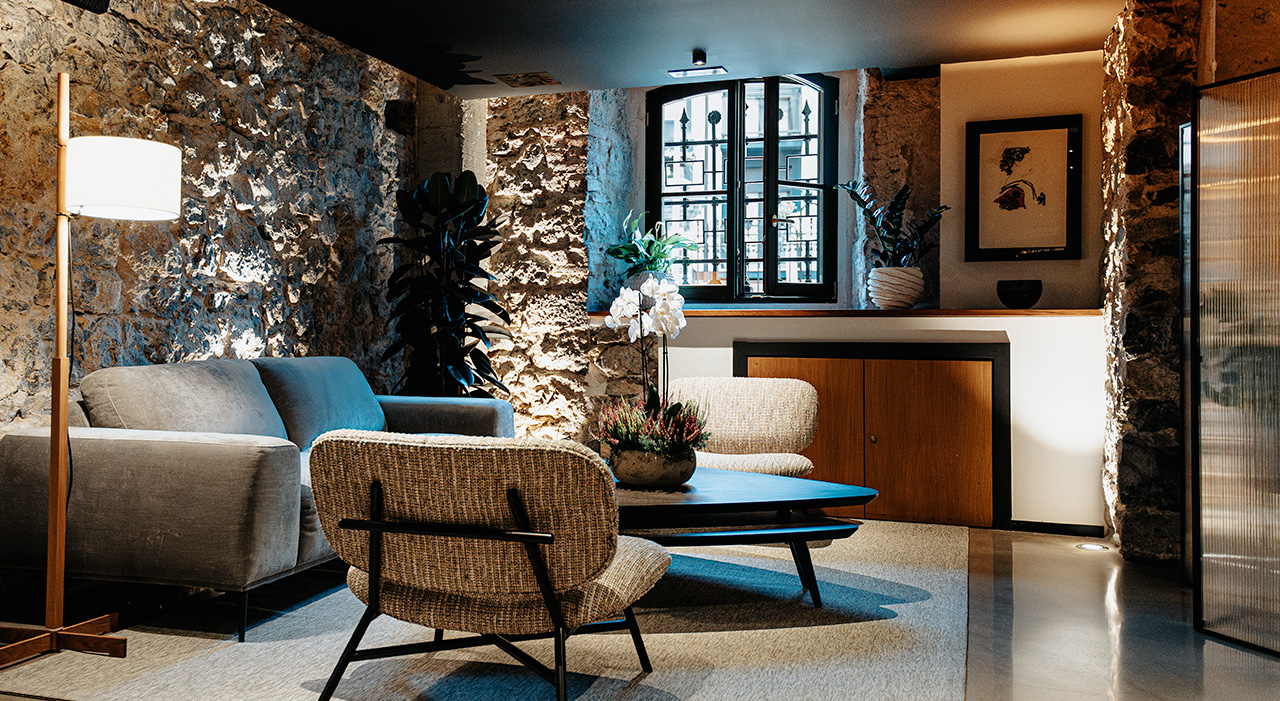
Design trends in the hospitality sector for 2026 reflect a profound change towards more conscious, human and experiential spaces, betting on slow design and reinforcing their authenticity through a unique identity and the differentiating value of the establishments, positioning design as a key element in the success and evolution of the hotel sector.