Architecture, Gastronomy, and Maritime Identity
The Echebastar/Alakrana partnership leverages its extensive and successful track record to offer a disruptive concept in the gastronomic field, fusing sensory, physical, and technological experiences linked to the culinary world itself, as well as others of a cultural and emotional nature. All of this is achieved by highlighting the roots of a people deeply connected to the sea, their experiences, their traditions, and their way of understanding fishing. In short, their very identity.
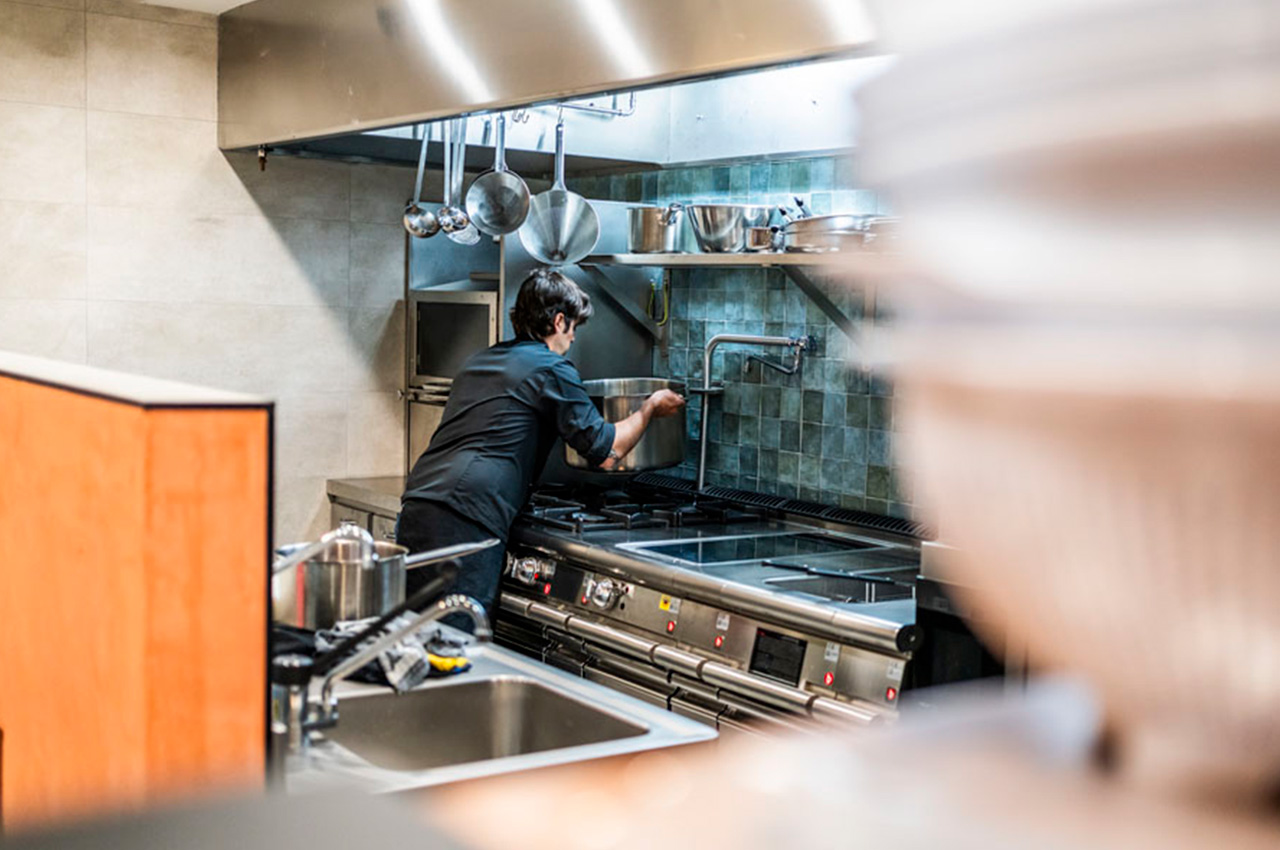
Sharing a building with the Be10 tourist apartments, Alakrana Experience aims to transform the way the sea is presented by organizing gastronomic, cultural, and educational events. Its objective is to preserve the history of fishing, traditional recipes, fishing techniques, and the evolution of tuna boats to the present day. All of this takes place within a museum-like atmosphere that creates a symbiosis between gastronomy, technology, and culture, following the “act local, think global” philosophy of a company deeply rooted in Bermeo with a clear international vision.
A design inspired by the Alakrana tuna
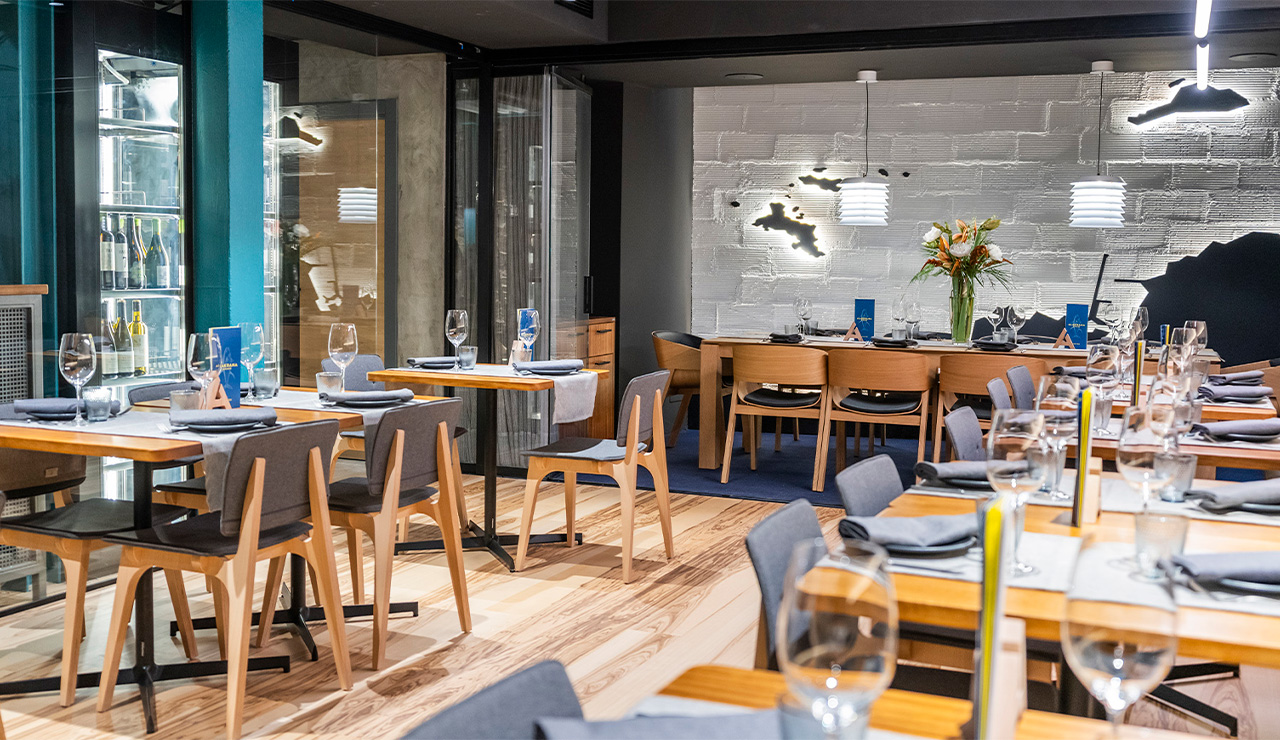
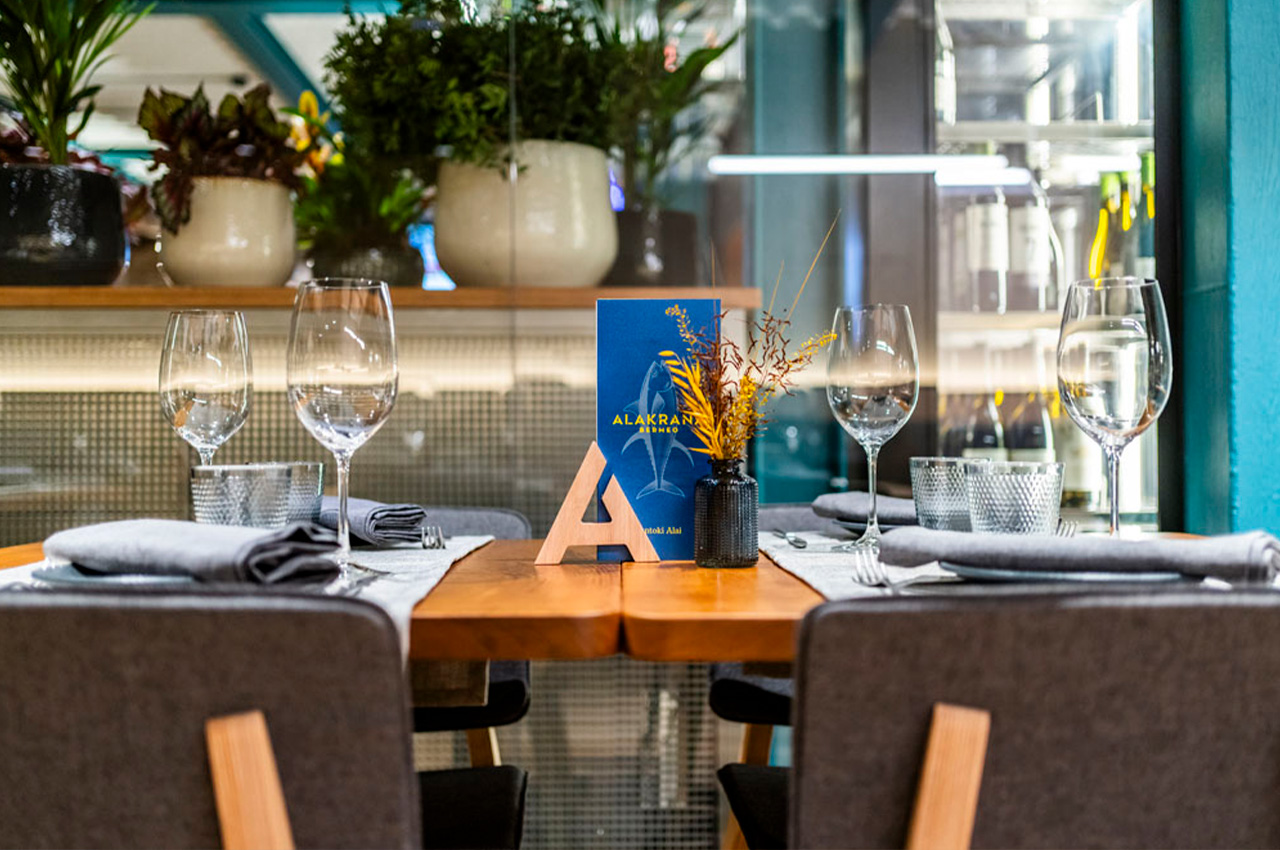
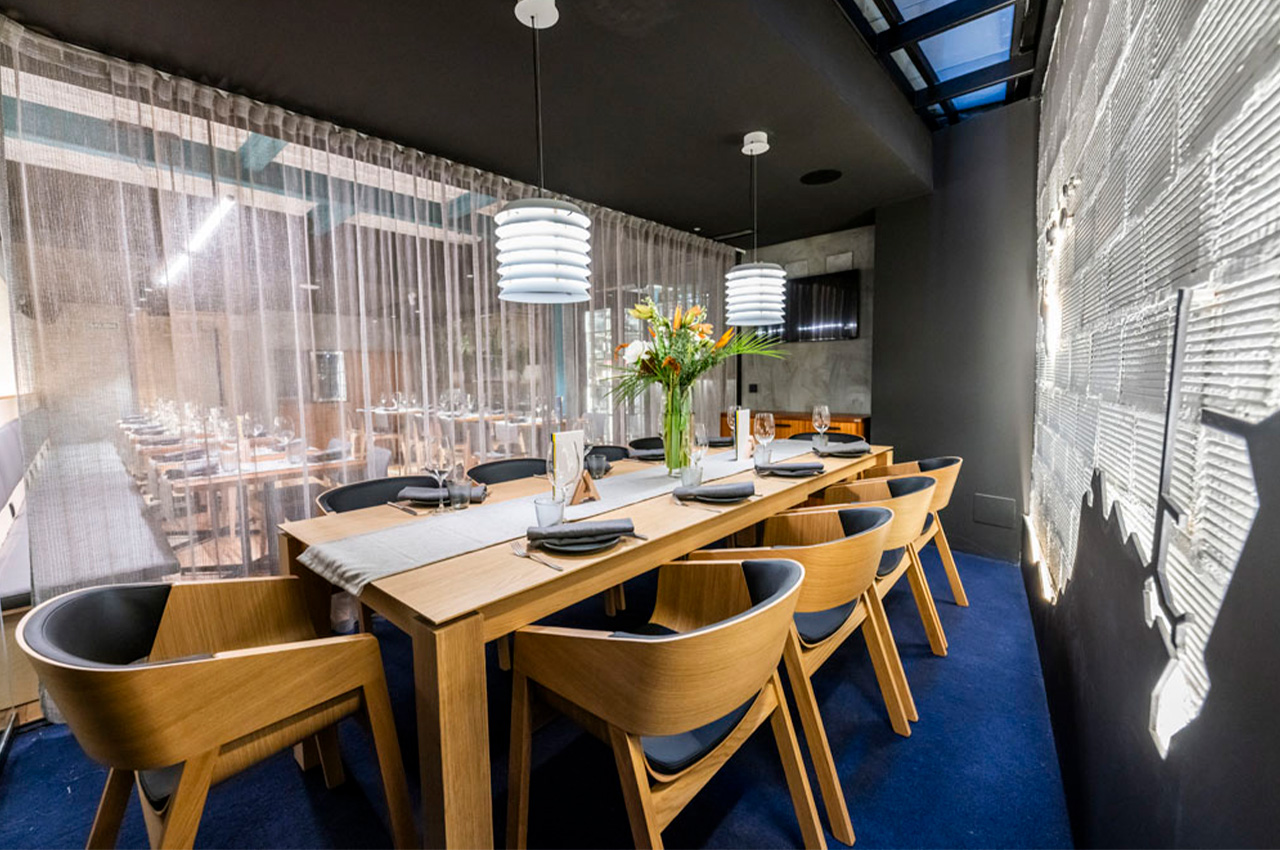
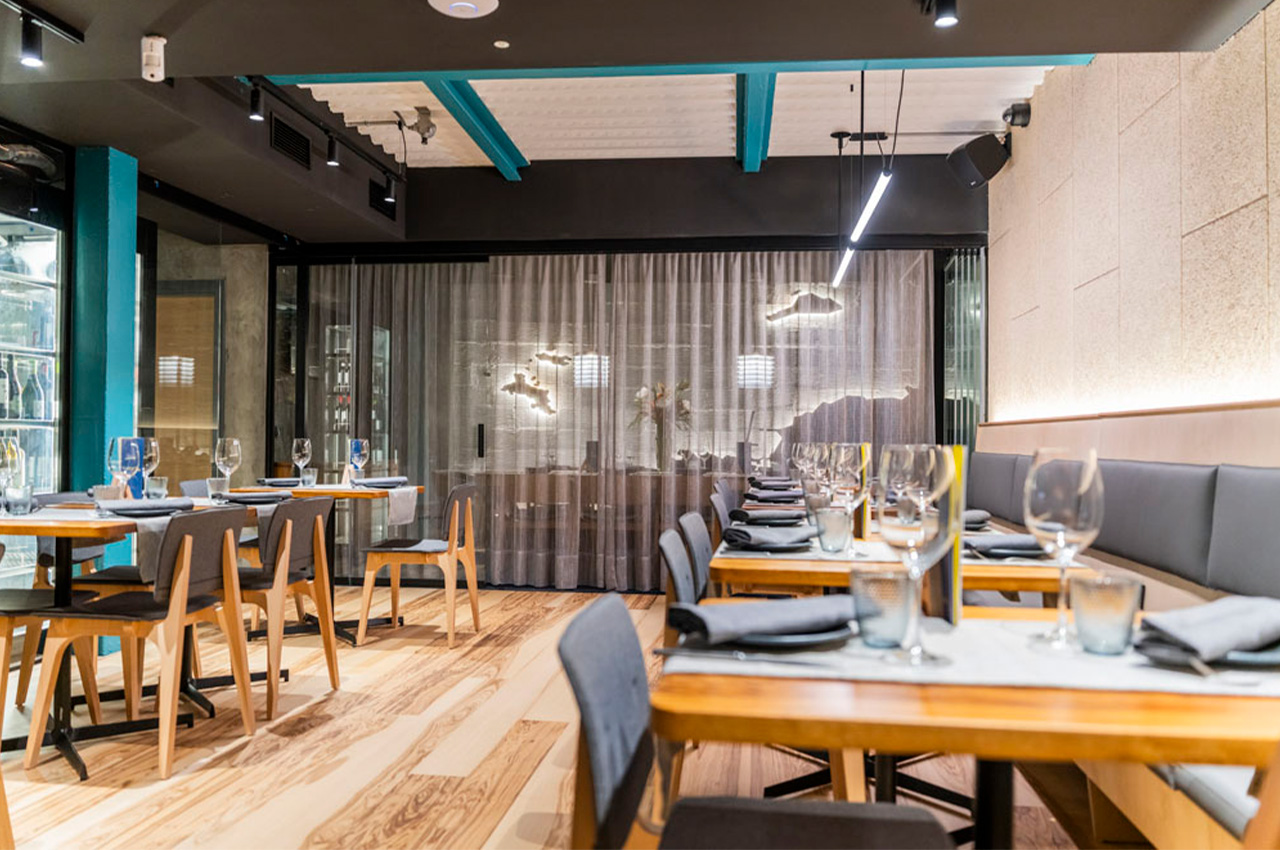
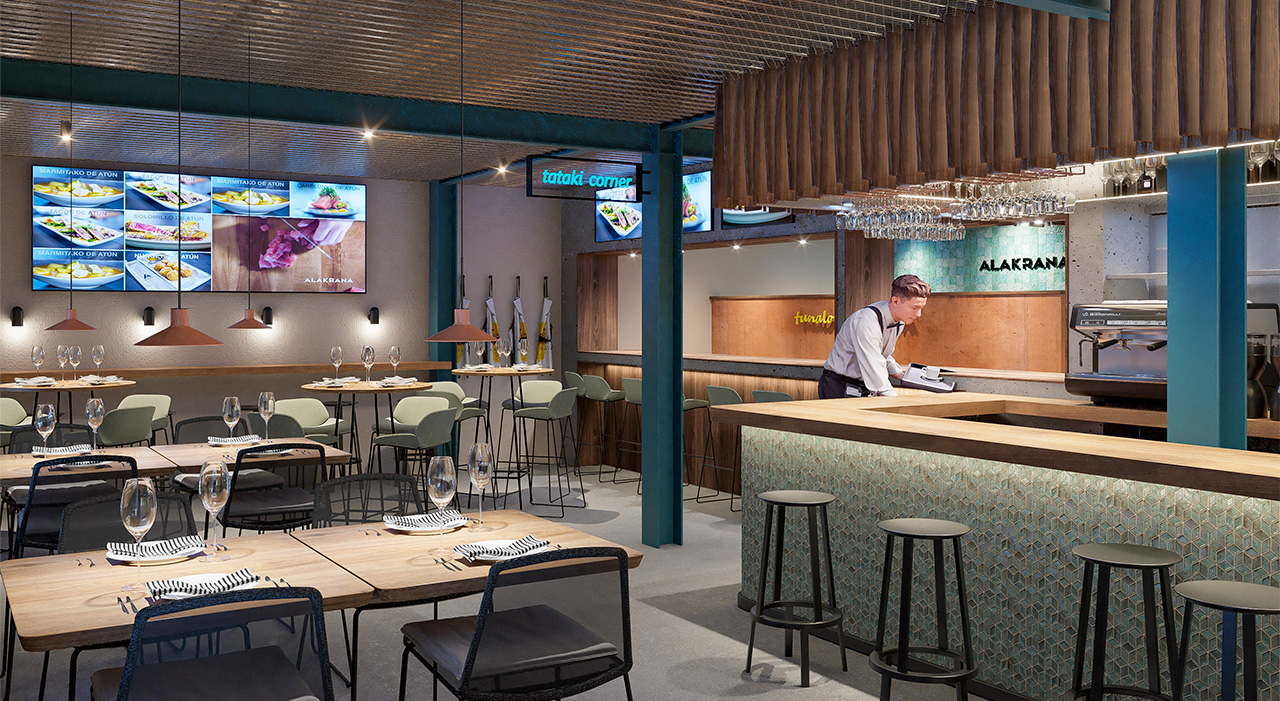
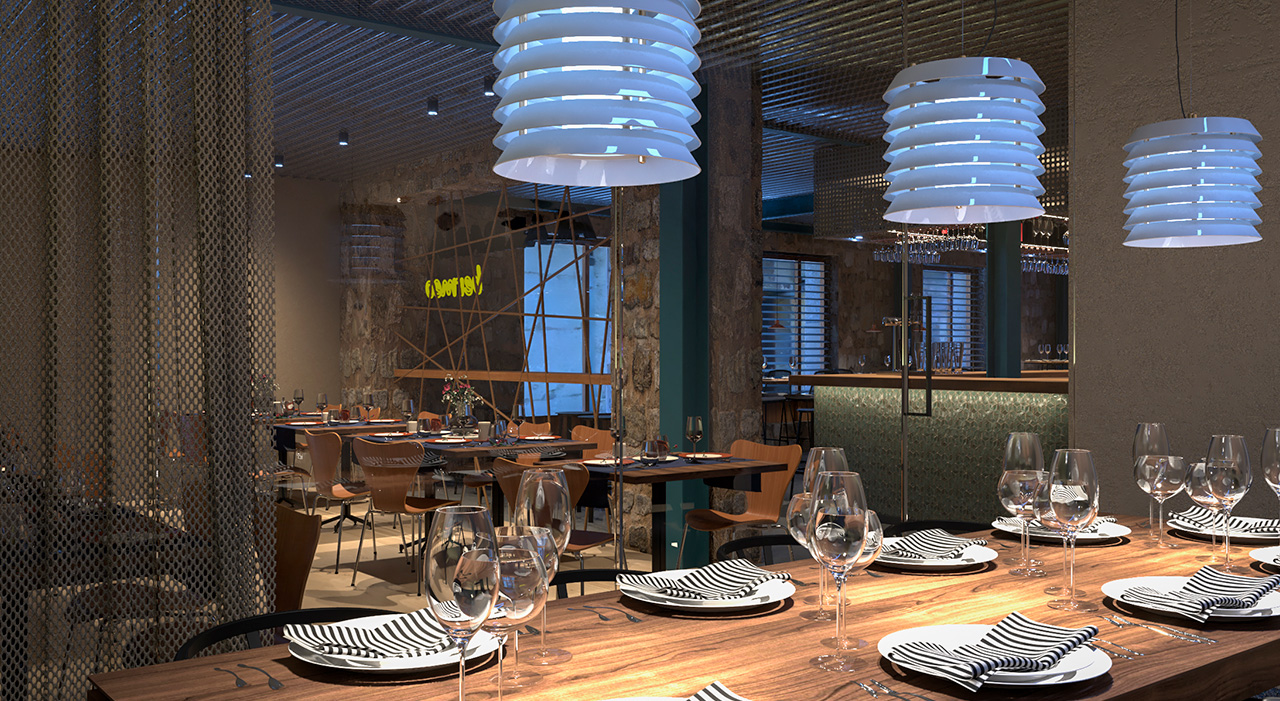
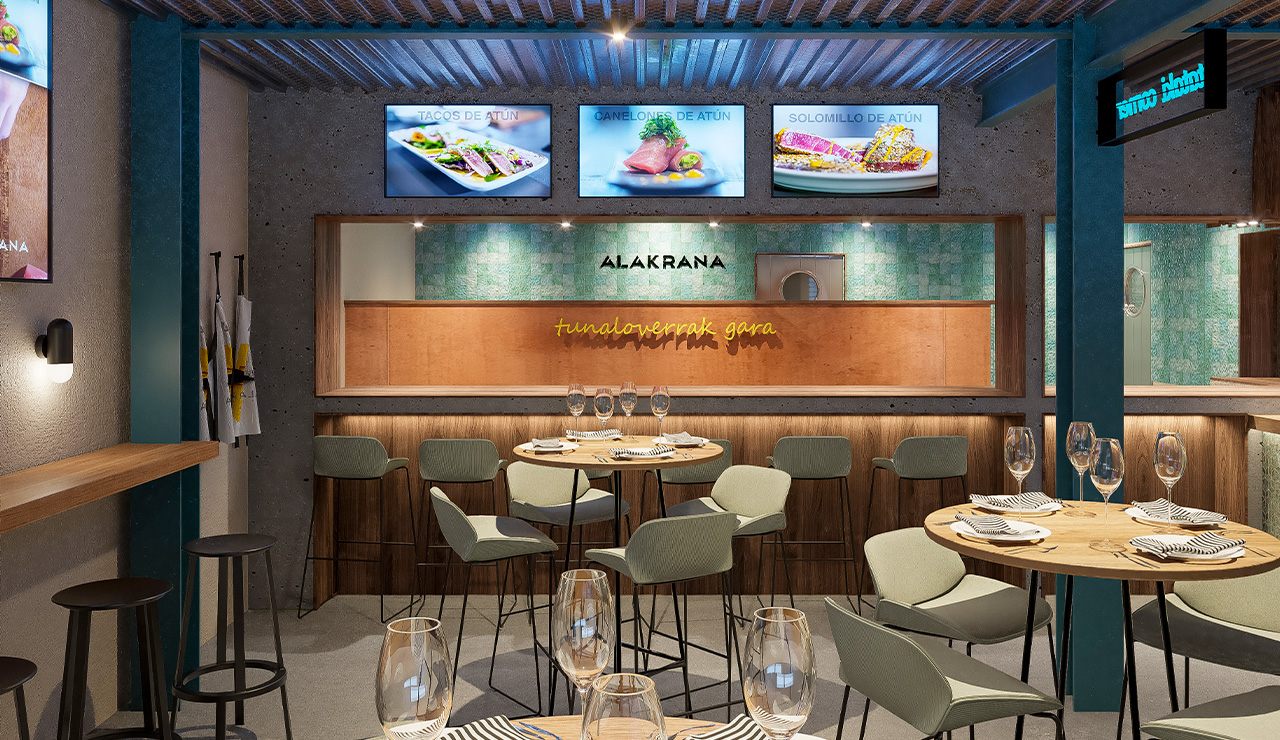
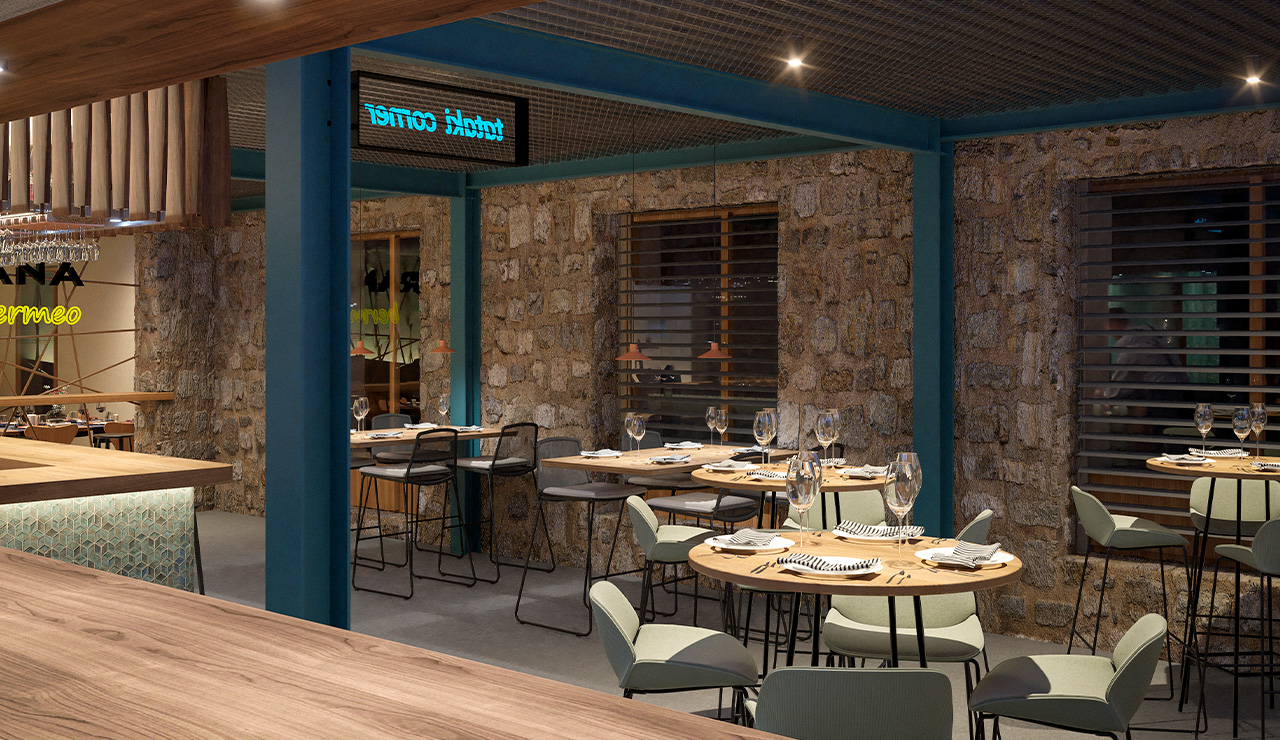
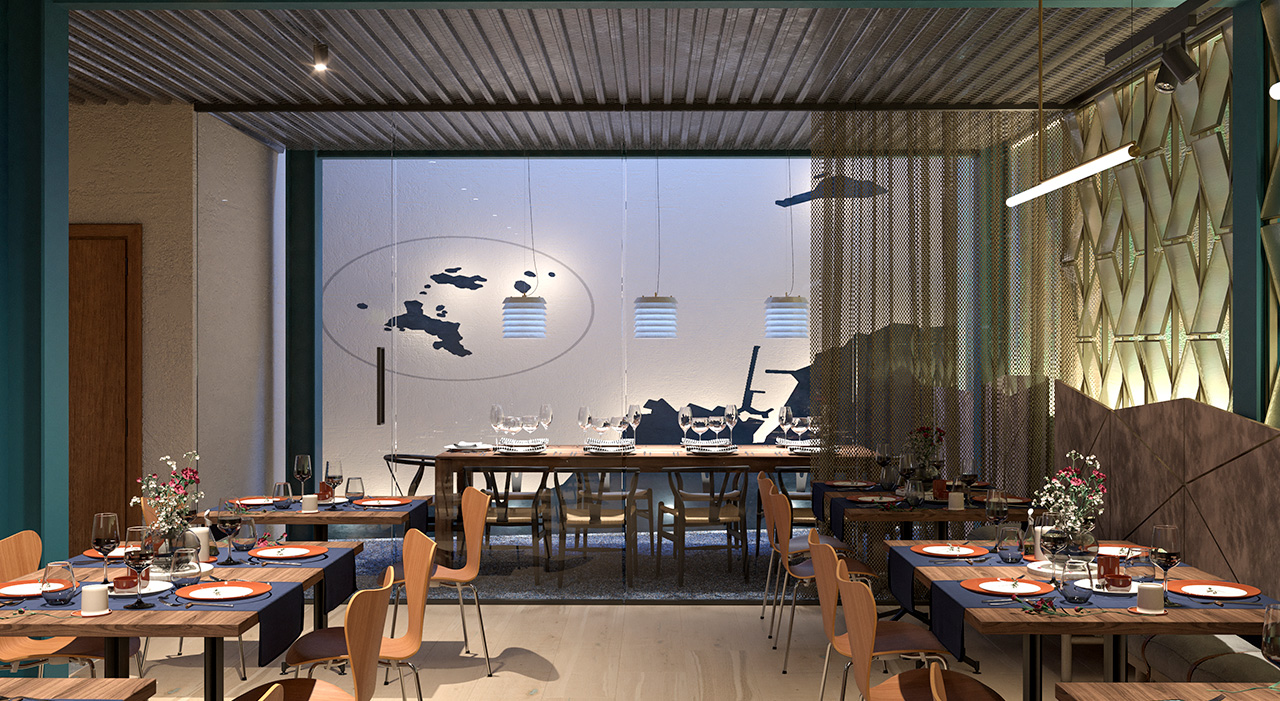
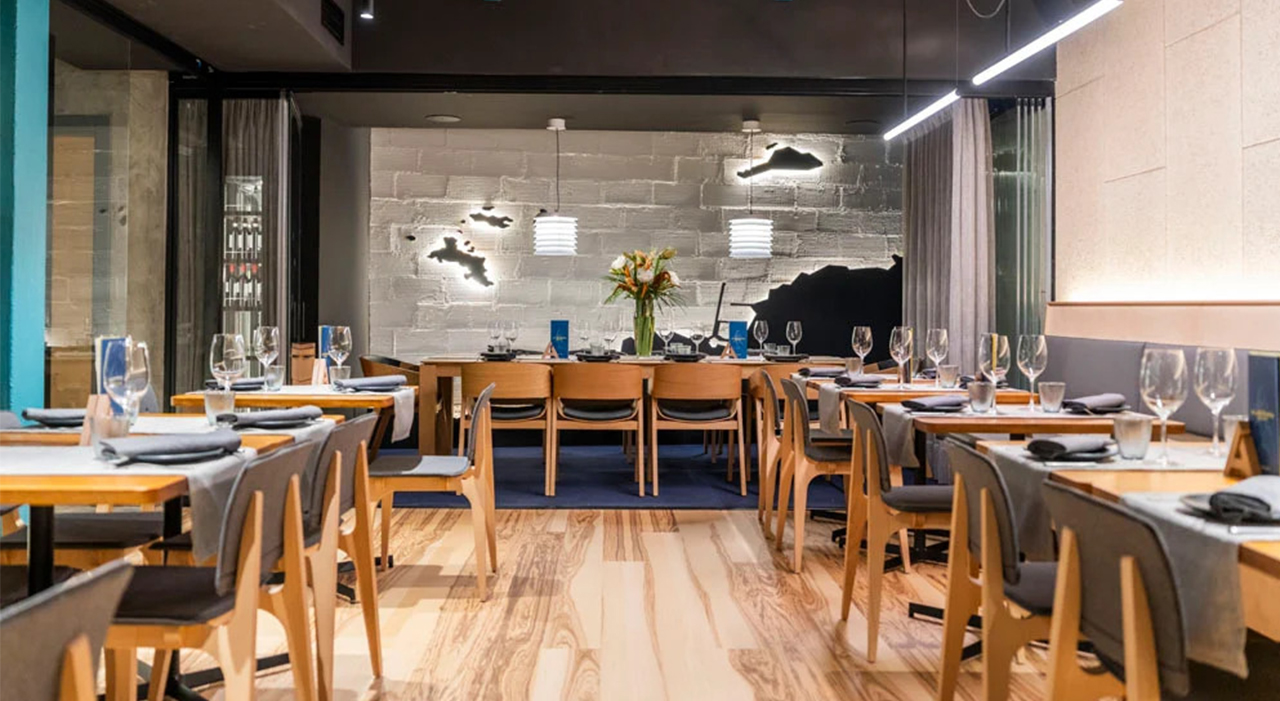
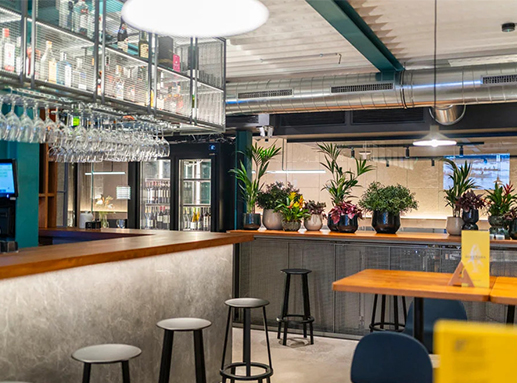
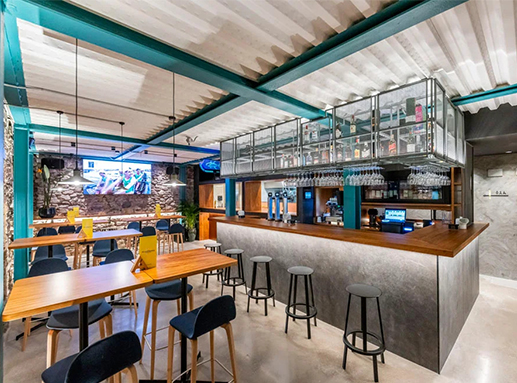
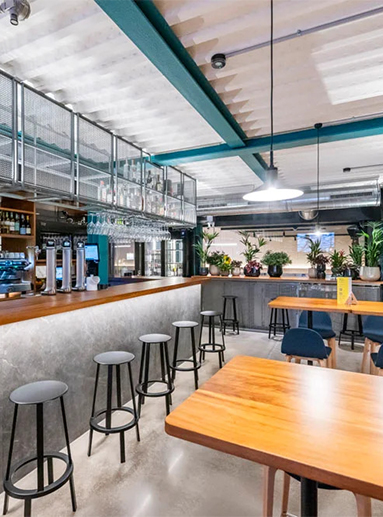
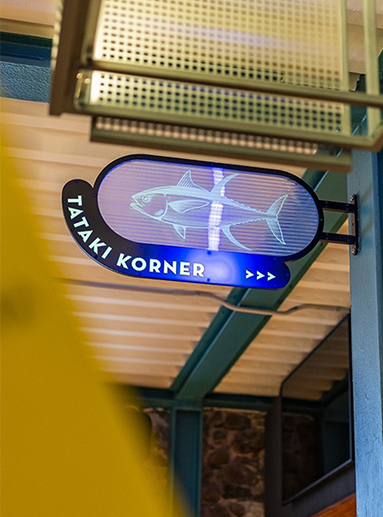
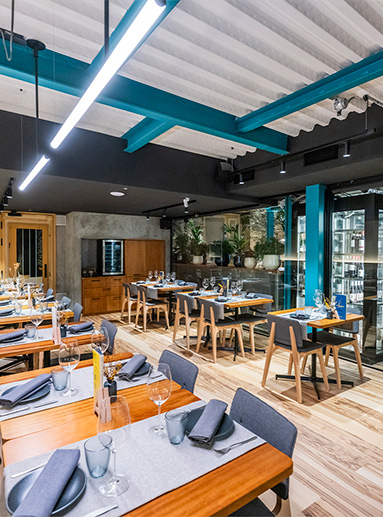
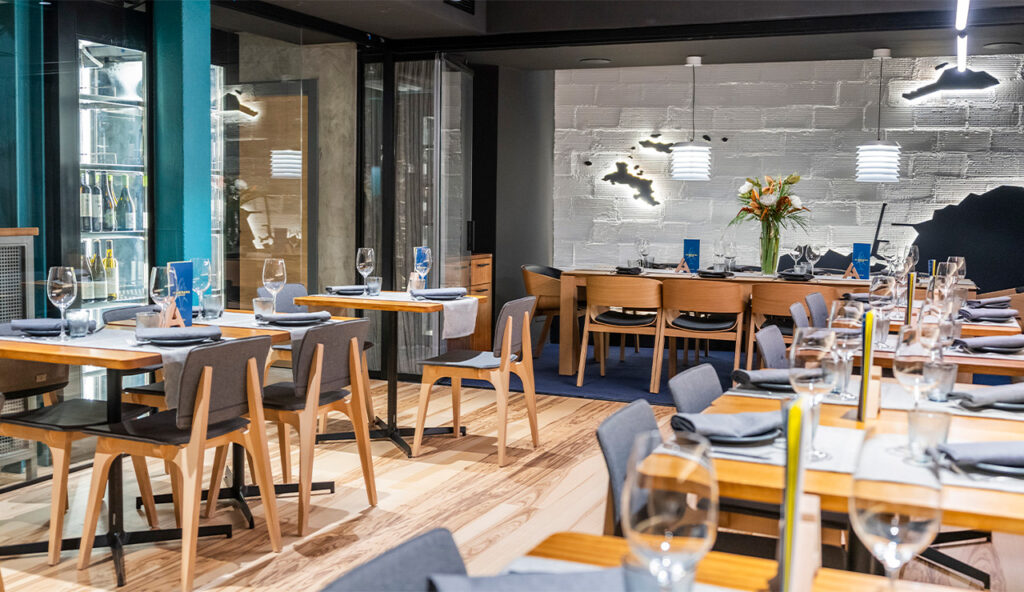
The restaurant takes its main inspiration from the Alakrana yellowfin tuna. The dark metallic blue and greenish tones of its back, the golden stripe along its sides, its silvery-white belly, and the intense yellow of its fins inspire the interior design’s color palette.
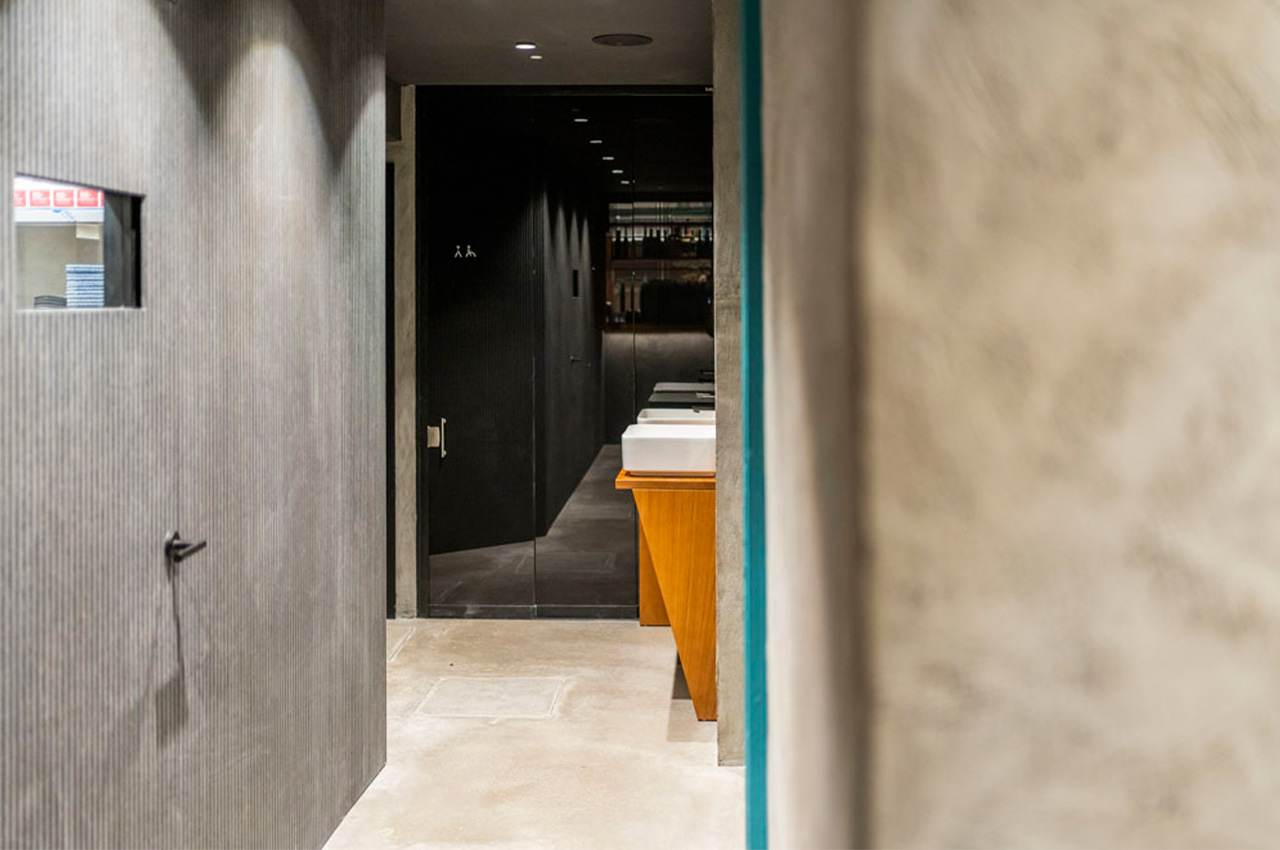
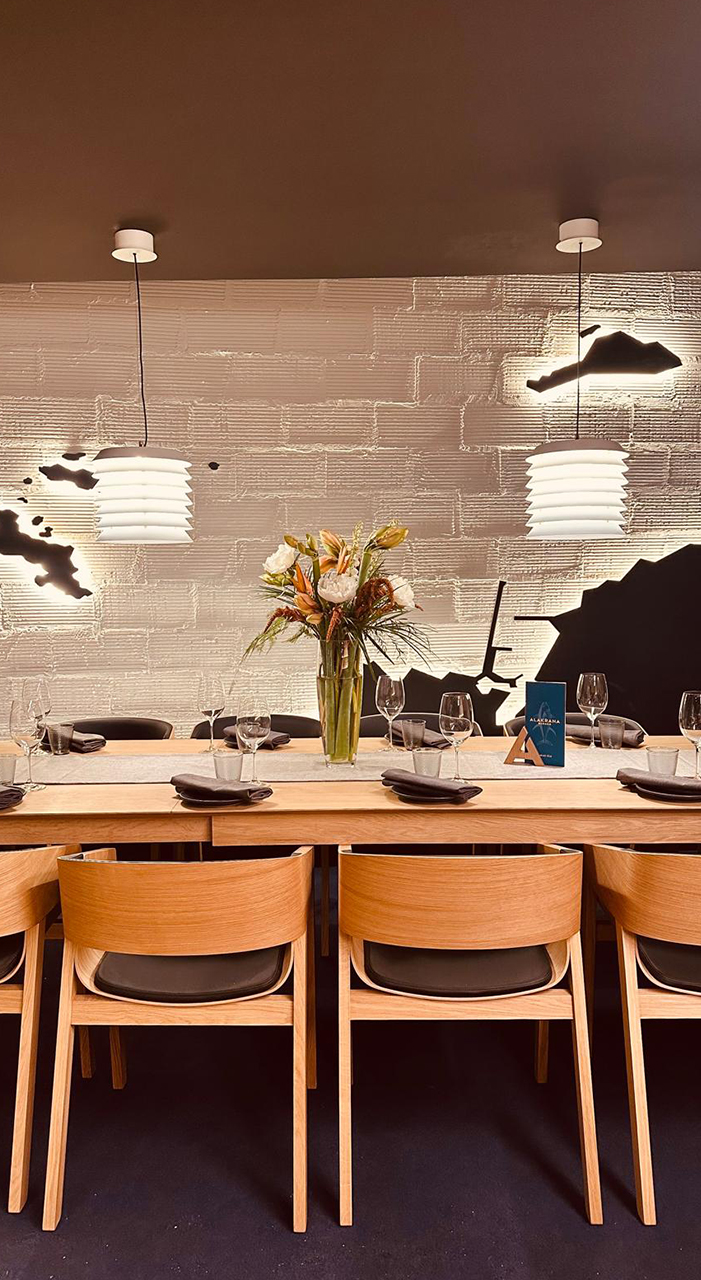
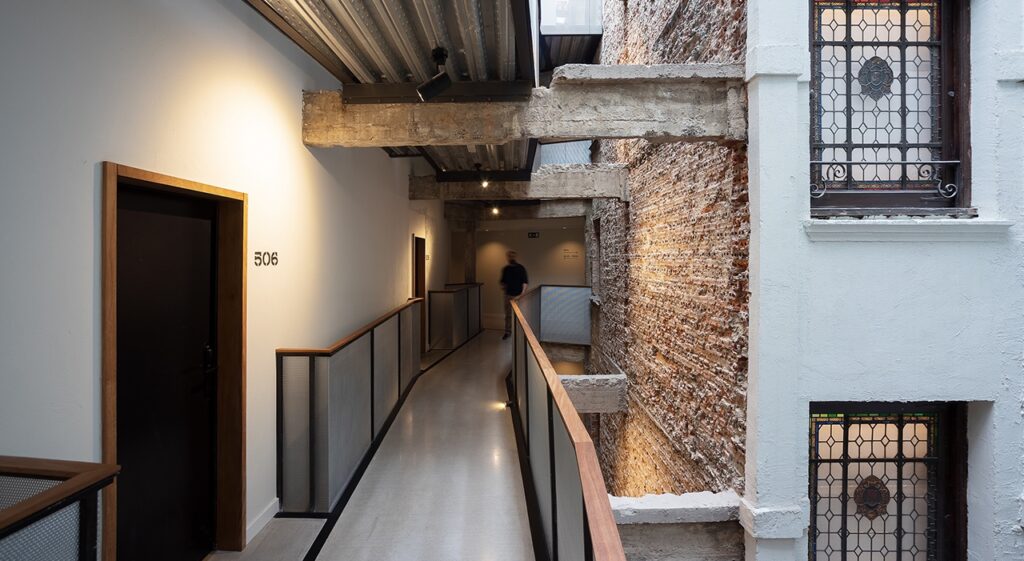
These colors serve as the foundation for creating a harmonious, elegant, and visually relaxing space. At the same time, the building’s original textures are restored and highlighted, incorporating new finishes and organic patterns inspired by the marine world. The lighting completes the experience through a careful interplay of light and shadow that adds depth, warmth, and personality to each space.