Comprehensive Renovation and Functional Optimization
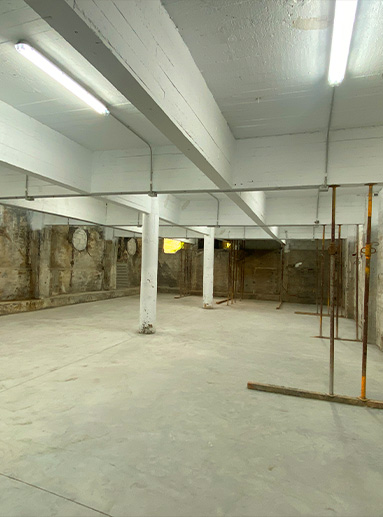
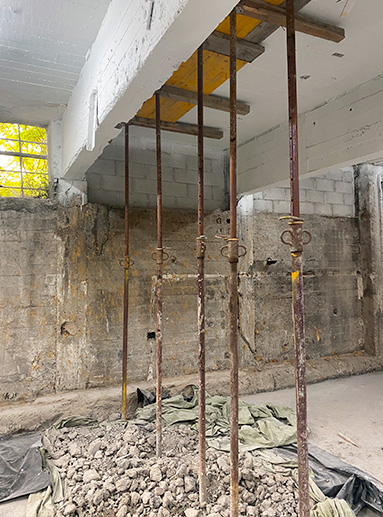
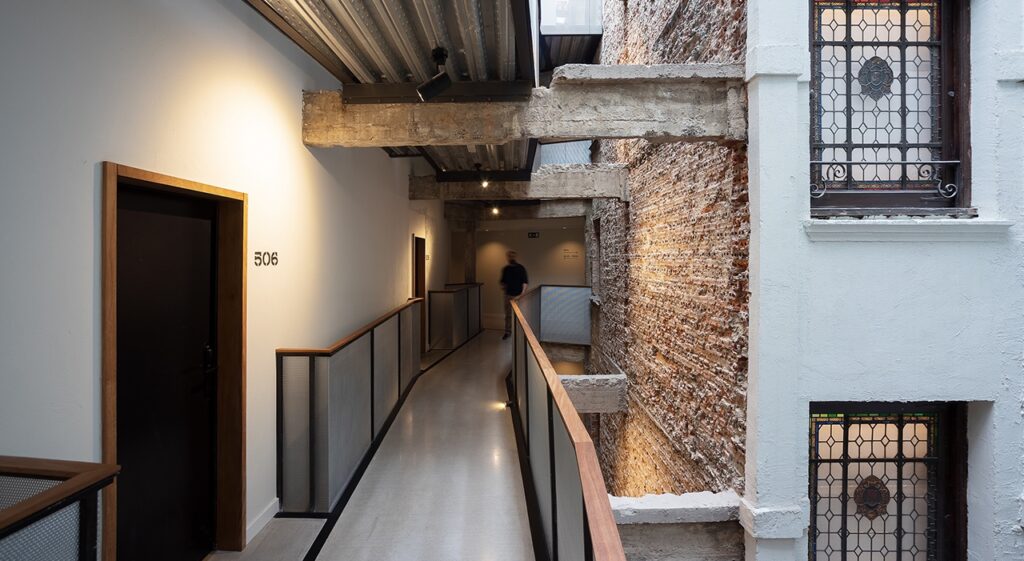
The renovation includes conservation work, interior redistribution, and updating of technical installations, respecting the building’s original character and adapting it to the operational needs of a self-storage facility.
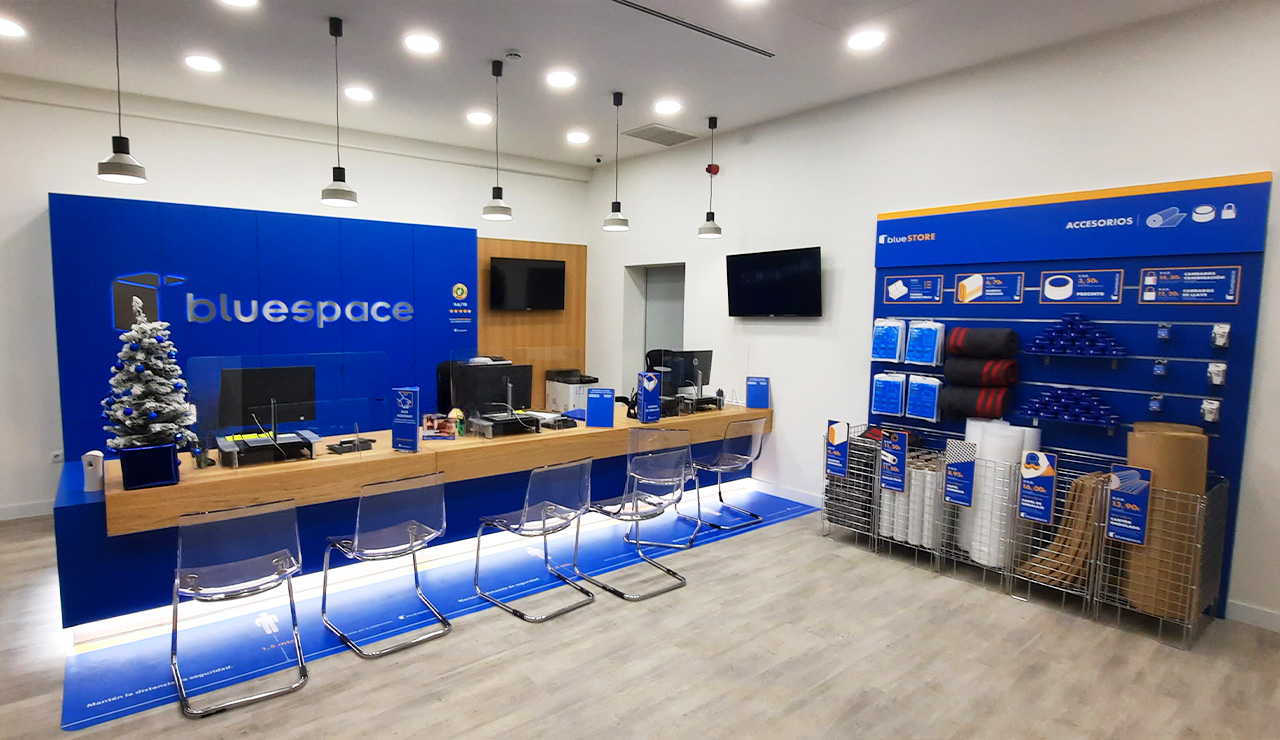
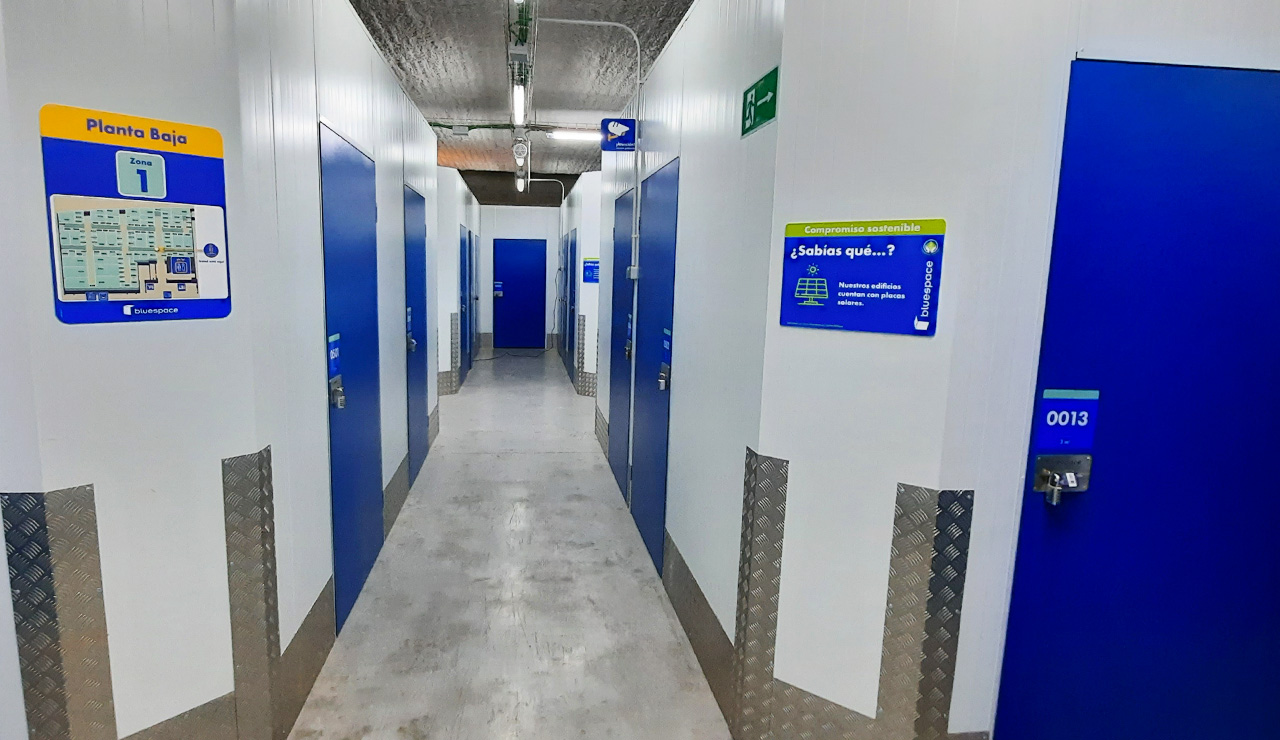
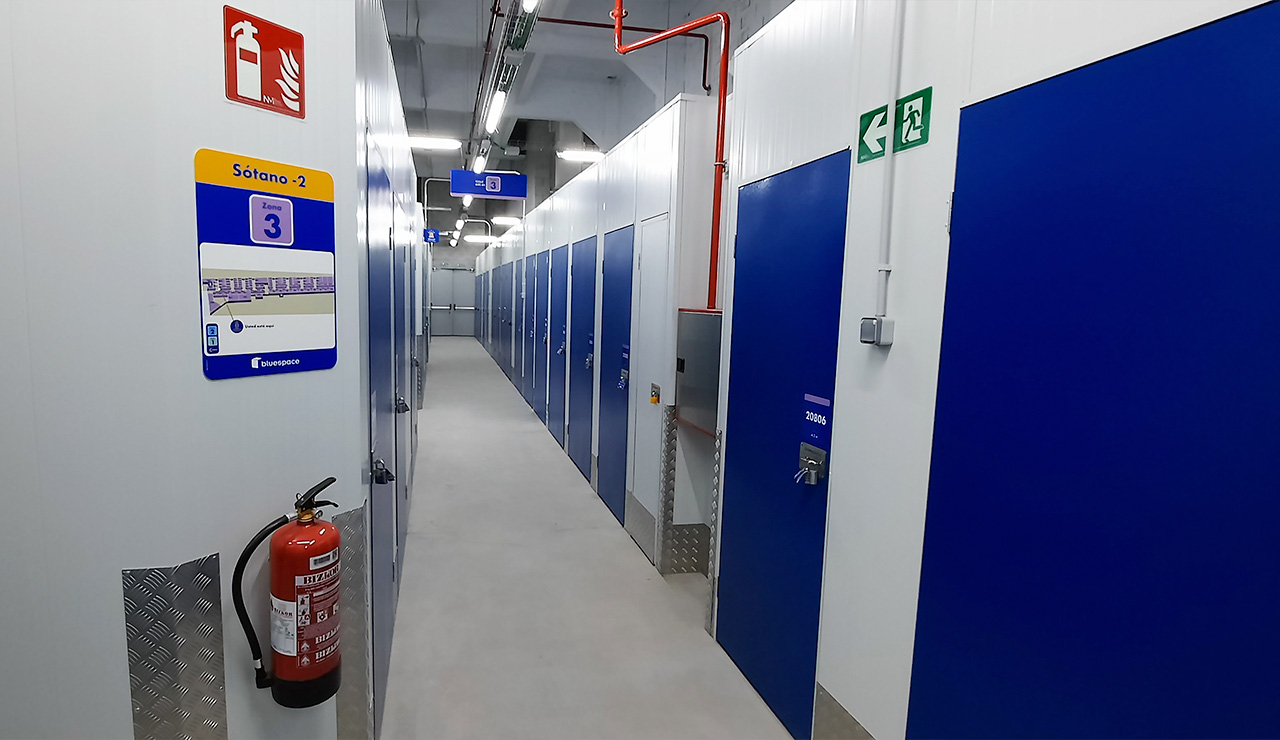
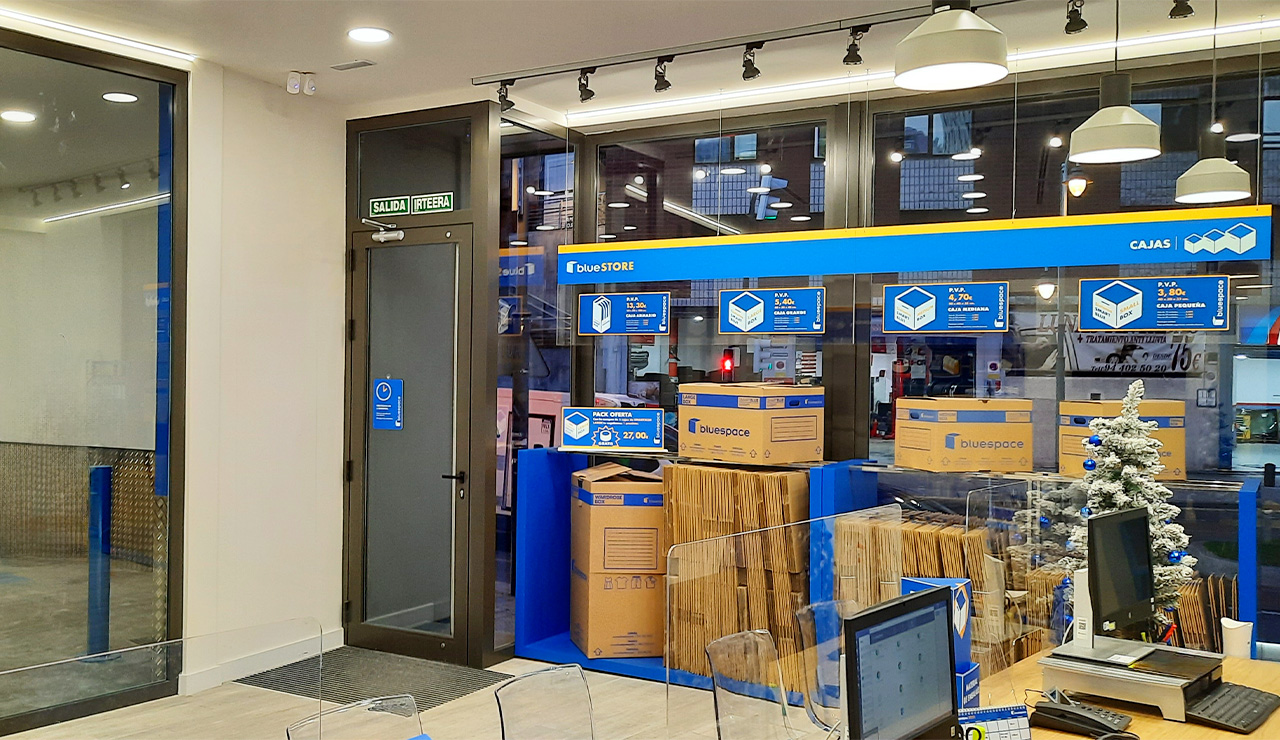
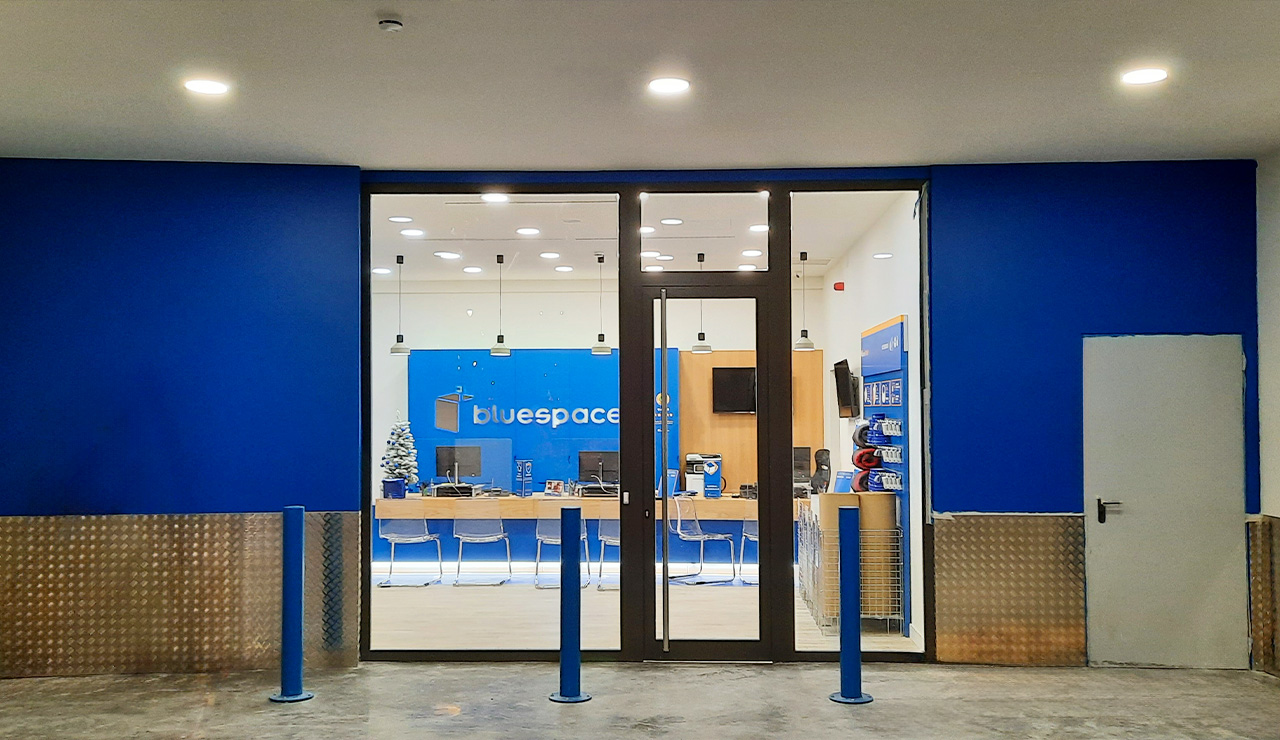
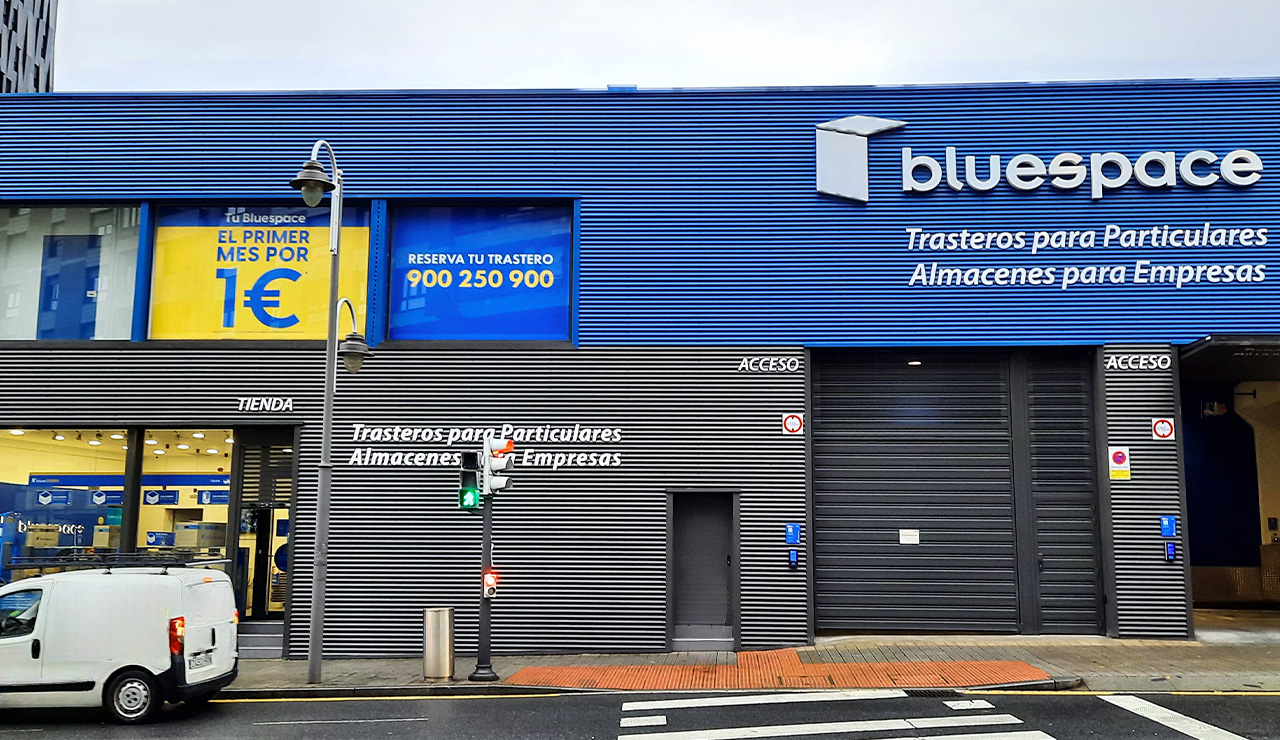
The program incorporates storage units and mini-warehouses of varying sizes for storing personal belongings, furniture, files, merchandise, and professional equipment. The ground floor also includes a retail area selling packaging materials and storage-related supplies.
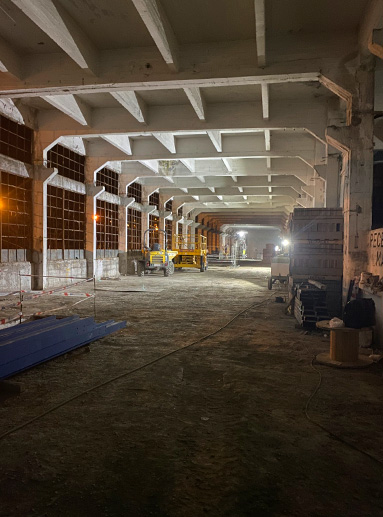
The intervention reorganizes the building’s different levels to maximize usable space and optimize interior circulation. The building’s original configuration, consisting of a ground floor, semi-basement, and basement, has allowed for the addition of a new mezzanine, taking advantage of the existing ceiling height. Old lofts and annexes have also been demolished to improve the layout and accessibility of the entire building.
Currently, the ground floor houses the loading and unloading area, retail space, technical areas, restrooms, and part of the storage area, while the mezzanine, loft, and semi-basement are primarily used for mini-warehouses and storage units. The basement remains unused, with access cancelled according to the project criteria.
Operation, Facilities, and Security of the Center
The center has been designed to operate autonomously, allowing users to directly perform loading and unloading tasks via a garage/parking area with vehicular access and designated spaces.
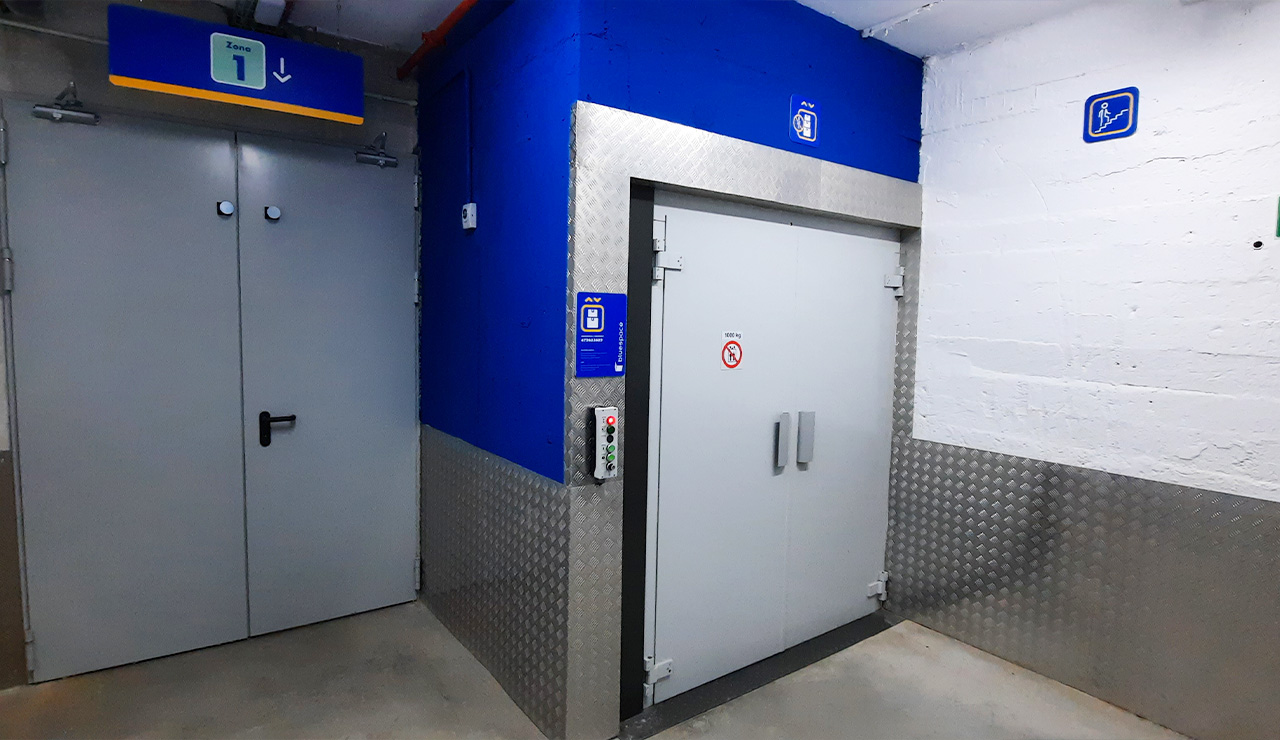
Building security is reinforced by video surveillance systems, access control, alarms, sensors, and passive and active fire protection measures. Independent lobbies, fire doors, illuminated signage, and fire detection and suppression systems have also been incorporated, ensuring compliance with current regulations and universal accessibility.
The project also includes the renovation of rainwater and sewage downpipes, the sanitation network, plumbing, waterproofing, and a review of the load-bearing structure. Furthermore, a new electrical installation adapted to the center’s needs has been added, along with telecommunications networks, mechanical ventilation, and service shafts designed to facilitate maintenance and future expansion.
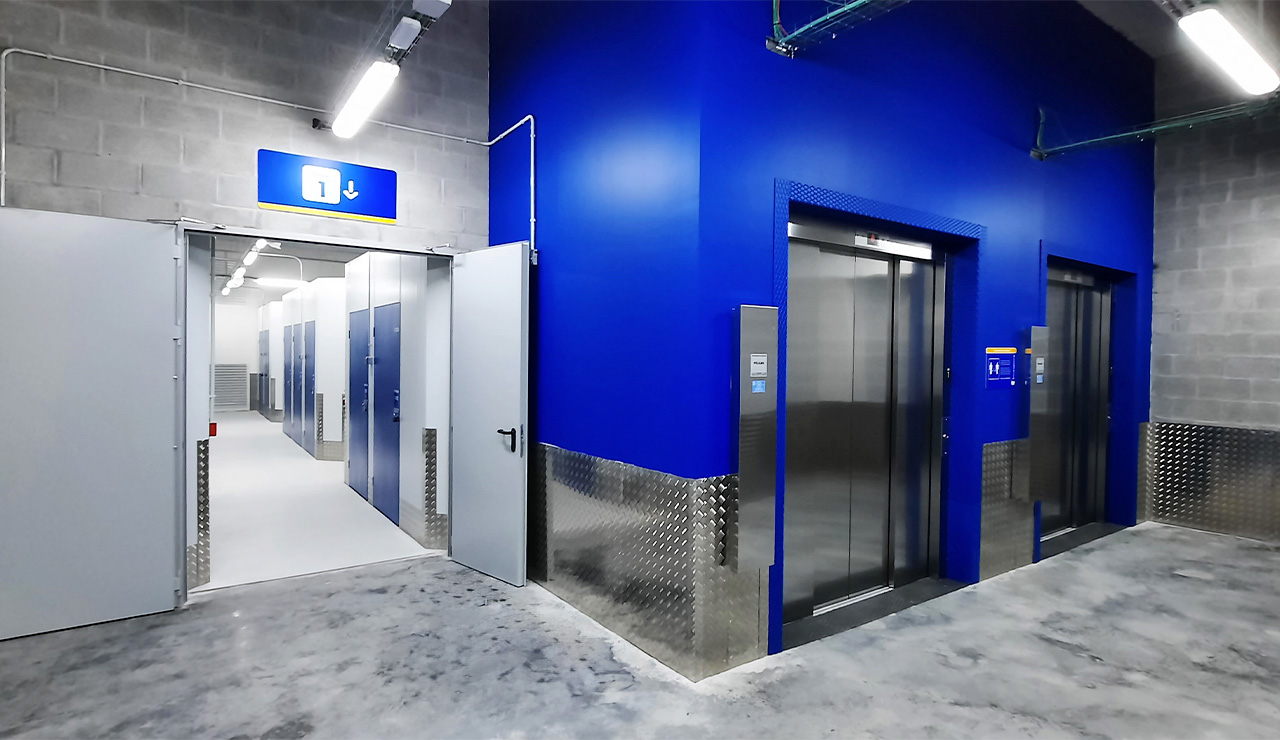
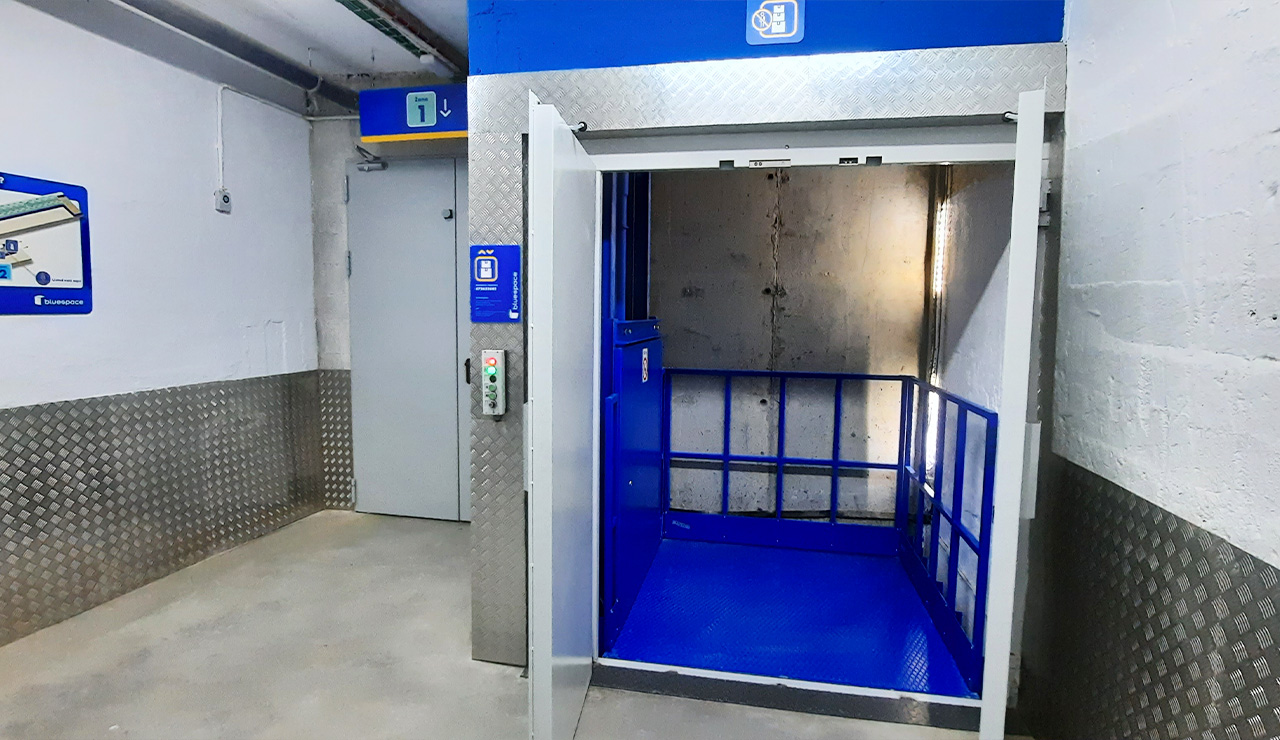
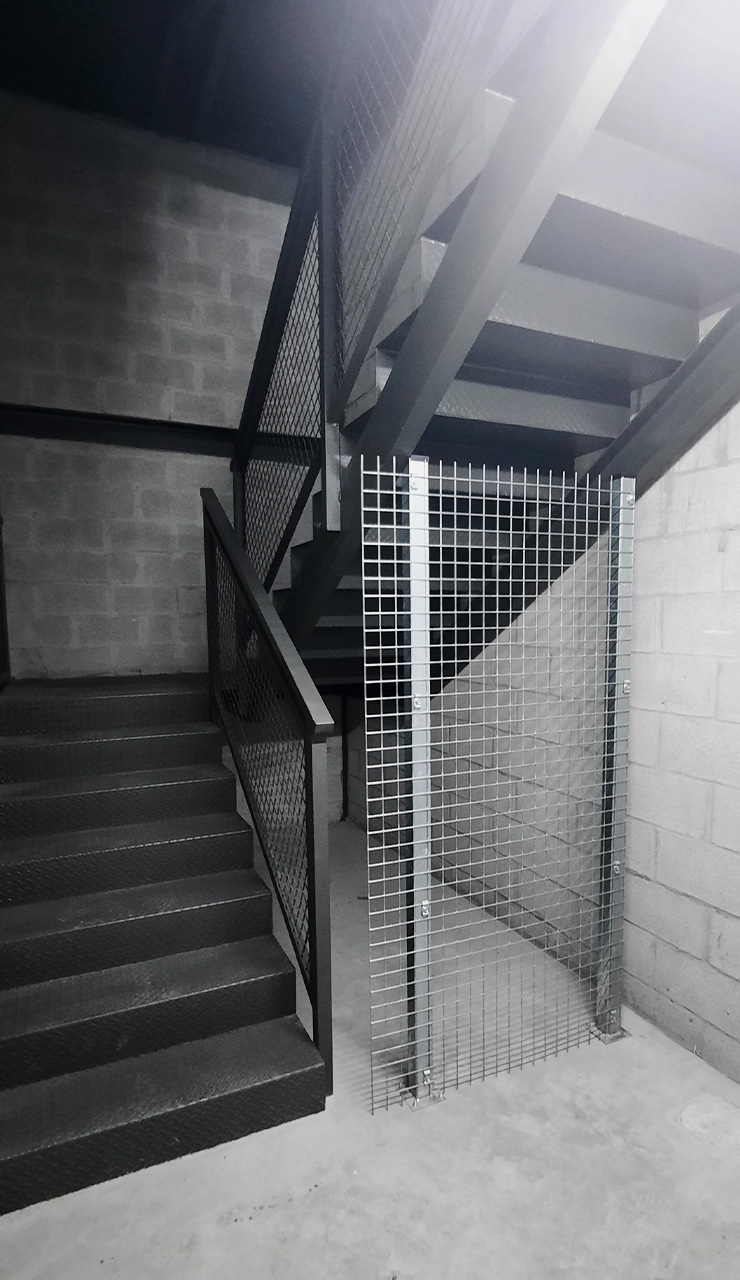
The building has accessible pedestrian and vehicular entrances with automatic glass doors and overhead doors. Vertical communication is resolved by means of a stair core and two freight elevators, guaranteeing a fluid and efficient circulation between the different floors.