The rise of boutique hotels
In recent years, the hotel sector in Spain has undergone a notable transformation with the arrival and consolidation of boutique hotels. This type of establishment responds to a growing demand from travelers seeking unique experiences, removed from mass tourism and the impersonality of large hotel chains.
Boutique hotels, with their medium or small capacity, have become a refuge for those seeking a more intimate, personalized, and, above all, exclusive experience. Their growth reflects a shift in the perception of tourism, where more and more people value authenticity, aesthetics, and friendly service over the number of standard services offered by a traditional hotel.
A Little History: The Origins of the Concept
The term “boutique hotel” was coined in the 1980s in New York, when Ian Schrager and Steve Rubell, owners of the iconic Morgans Hotel, decided to differentiate themselves from the prevailing business model in the hotel industry. They opted for an establishment that combined luxury, exclusive design, and personalized service. Compared to traditional hotels, boutique hotels have a special charm, often themed, making guests feel like they’ve stepped back in time. The idea soon spread to other cities in the United States and Europe, becoming a very attractive alternative for those seeking an experience distinct from that offered by conventional hotels. It was in the 1990s that boutique hotels began to gain prominence in the Spanish market, especially in cities like Barcelona, Madrid, and Seville, where the combination of history and modernity provided an ideal setting for this type of accommodation.
Key Features of a Boutique Hotel
Although each boutique hotel has its own identity, there are common elements that define the essence of these establishments:
Privileged Location
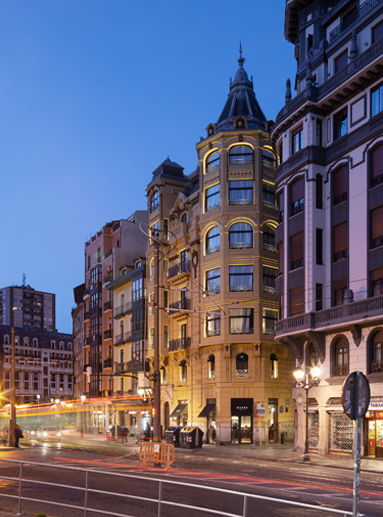
Most boutique hotels are located in strategic areas of cities, allowing guests to fully enjoy the cultural, gastronomic, and leisure offerings of the area. Some are located in historic neighborhoods, surrounded by narrow streets and iconic buildings, while others opt for more modern locations in trendy districts.
Exclusive Design and Architecture
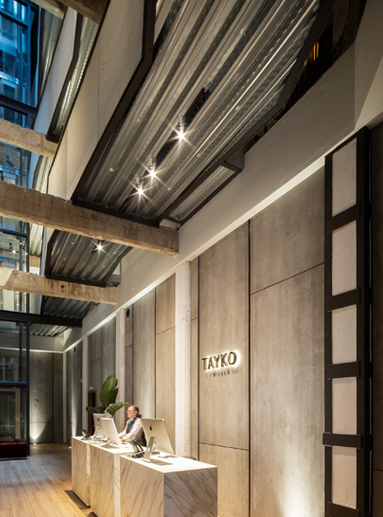
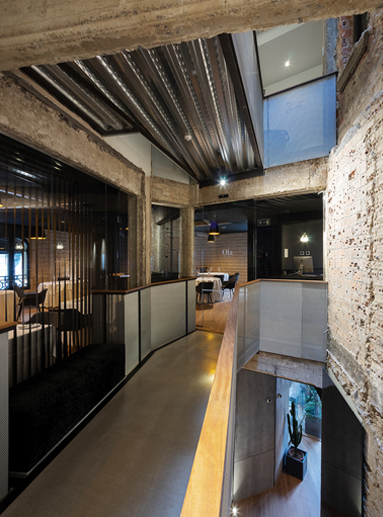
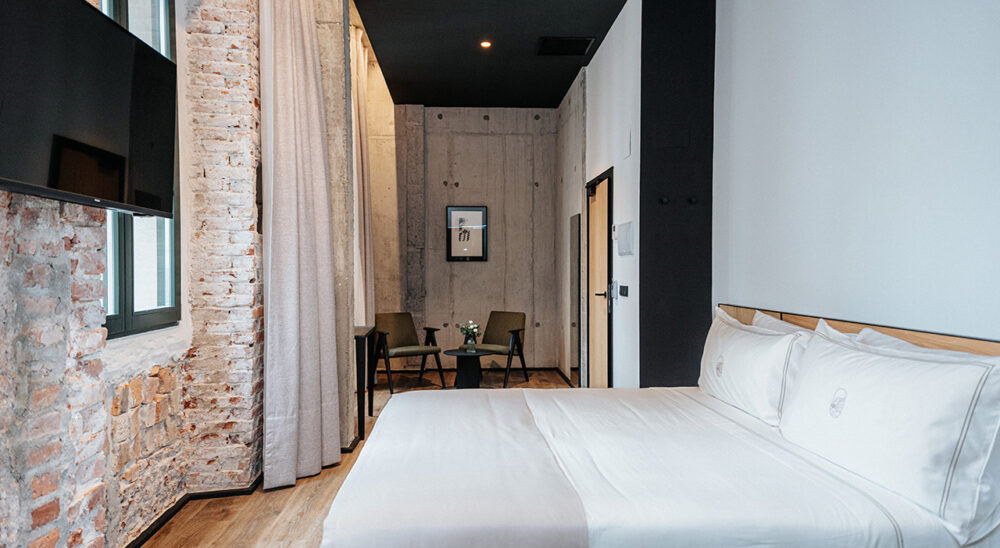
One of the greatest attractions of boutique hotels is the uniqueness of their spaces. Many of them occupy historic buildings that have been carefully restored to preserve their essence. Palaces, stately homes, and architecturally interesting buildings are used to provide a sophisticated atmosphere full of personality.
Size and Personalized Service
Generally, these hotels have fewer than 100 rooms, allowing for more detailed and exclusive attention. Guests can enjoy warm and friendly service, as the hotel staff is deeply involved in each visitor’s experience, offering recommendations and tailoring services to their specific needs.
Unforgettable Ambience and Experience
From the furnishings to the lighting, every detail of a boutique hotel is carefully chosen to create a unique atmosphere. Some hotels are themed, evoking bygone eras or avant-garde styles, making the stay an aesthetic experience in itself.
Exclusive Services
In addition to the comfort of their rooms, boutique hotels often offer special services such as Michelin-starred restaurants, luxury spas, art galleries, and fashion boutiques. These extras provide added value that enhances the guest experience and reinforces the hotel’s identity.
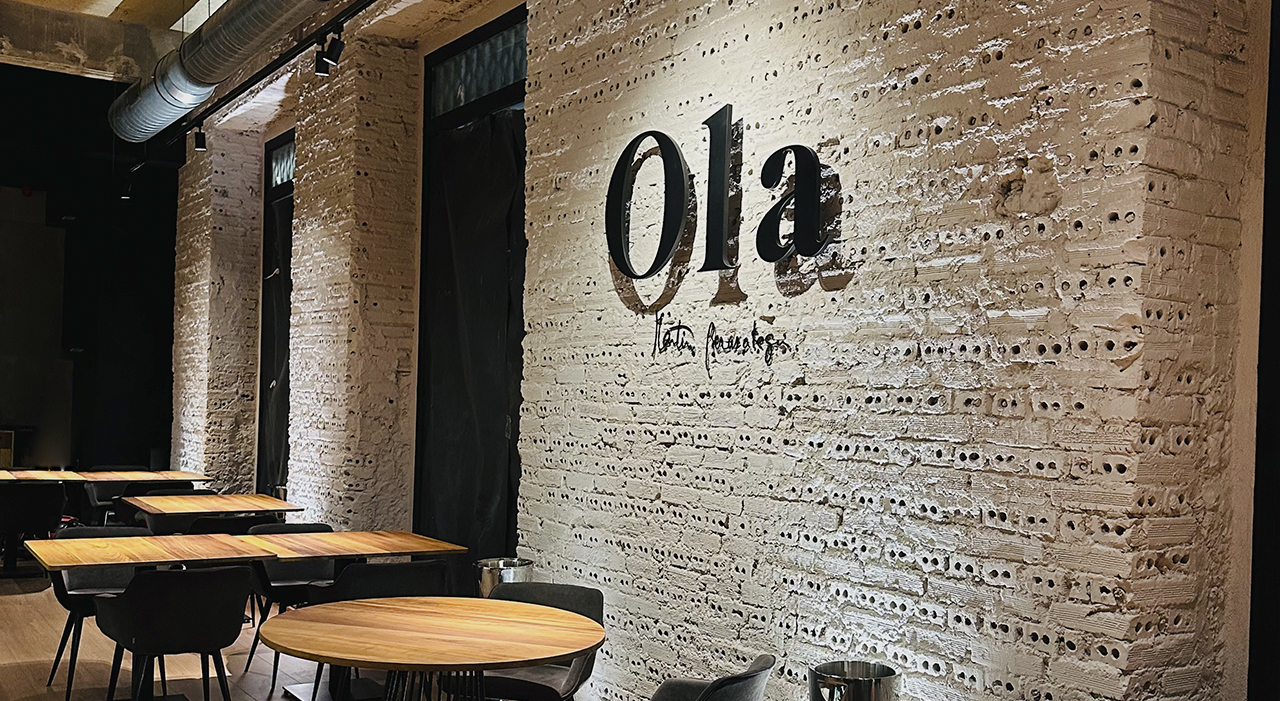
Ola Martín Berasategui Restaurant Project
The Future of Boutique Hotels: Trends and Challenges
The boutique hotel sector has not only grown in recent years, but is also expected to continue evolving and adapting to the new demands of modern tourism. One of the most notable trends is a sustainable approach. More and more travelers are seeking environmentally responsible accommodation options, and boutique hotels have responded by incorporating renewable energy, eco-friendly materials in their construction, and local products in their gastronomic offerings.
Another key element is digitalization. Although the charm of boutique hotels lies in their traditional atmosphere and friendly service, many have begun to integrate smart technology to enhance the guest experience without losing their essence. Automated check-in systems, apps to personalize stays, and digital tools for exploring the city are some of the advances in this sector.
Furthermore, the luxury market continues to grow, and boutique hotels are perfectly suited to the needs of these types of clients, who seek exclusivity, attention to detail, and unique experiences.